
Keeping soup until the next day
You eat leftovers within two days and want to fit sealed containers neatly in the fridge. The Netherlands Nutrition Centre advises keeping your fridge at 4 °C and eating leftovers within two days.


If you’ll eat your soup within two days, focus on usable fridge space for sealed containers. If you want to save portions for later, freezer space and drawer layout matter more. The Netherlands Nutrition Centre advises keeping leftovers in a fridge at 4 °C for no more than two days, or in the freezer for up to three months. First measure the space available, then compare the fridge and freezer capacities separately, along with annual energy consumption and noise levels.
You eat leftovers within two days and want to fit sealed containers neatly in the fridge. The Netherlands Nutrition Centre advises keeping your fridge at 4 °C and eating leftovers within two days.
You often make extra soup for a meal together at a later date and want to store dated portions in the freezer drawers. The Netherlands Nutrition Centre advises keeping leftovers in the freezer for no more than three months.
You need to fit the appliance into a small space, so check its external dimensions first, before comparing fridge and freezer capacity.
Focus on: if you’ll eat the soup within two days, check that your sealed containers will fit on the fridge shelves alongside your regular shopping.
The trade-off: extra freezer space matters less if you usually eat the soup soon. The stated capacity won’t tell you on its own whether your containers will fit.
Focus on: if you often cook ahead, compare the freezer capacity and drawer shape with your sealed containers.
The trade-off: more freezer space may mean less fridge space and affect the appliance’s external dimensions.
| What to consider | What should you check? | Who is it for? |
|---|---|---|
| Usable fridge space | Compare the fridge capacity in litres and the shelf layout with the containers you use. | If I serve soup soon, I want to fit sealed containers alongside my other shopping. Around 36% of consumers give everyday fridge space top priority. |
| Freezer space | Check the freezer capacity separately and whether the drawer shape suits your dated containers. | When I save portions for later, I want to organise them in suitable drawers. Around 29% of consumers give freezing food ahead of time top priority. |
| Dimensions and layout | Measure the height, width and depth, and check how much space you need to open the door. | With limited kitchen space, I want to know whether the appliance will fit first, then whether my containers will fit inside. Around 21% of consumers give the available installation space top priority. |
| Energy use and noise | Once you’ve found a suitable size, compare the energy rating, annual consumption in kWh and noise level on the energy label. | Once I’ve found a suitable size, I also want to consider energy use and noise. Around 14% of consumers give everyday energy consumption top priority. |
The stated capacity may include both the fridge and freezer. The shelf and drawer layout also affects whether your containers will fit comfortably.
Compare the separate capacities and layout with the containers you actually use.
Having a suitable appliance doesn’t make unsafe cooling or storing food for too long any less risky.
Cool the soup quickly, use sealed containers and refrigerate or freeze leftovers within two hours, as advised by the Netherlands Nutrition Centre.
The rating letter doesn’t show the stated annual consumption in kWh. The energy label also lists the capacity of the fridge and freezer compartments, as well as the noise level.
For appliances of a suitable size, compare both the energy rating and the annual kWh consumption. Energielabel.nl and Milieu Centraal explain the information shown on the energy label.
The freestanding KGN39VICT is a useful comparison if you’re weighing up fridge and freezer space for several containers alongside your regular shopping.
The RB34C605CB1/EF is a freestanding model with a stated total capacity of 344 l.
The B3RCNO256S is a useful comparison if you have limited width for the appliance.
The GBV7280AEV is a useful comparison if you also want to check the energy figures and the capacity of the separate compartments.
The CNgbc 5723 Plus NoFrost is a useful comparison if you’re looking at a freestanding model with a stated total volume of 371 l.
This selection includes fridge-freezers for storing soup containers in the fridge and portions in the freezer.
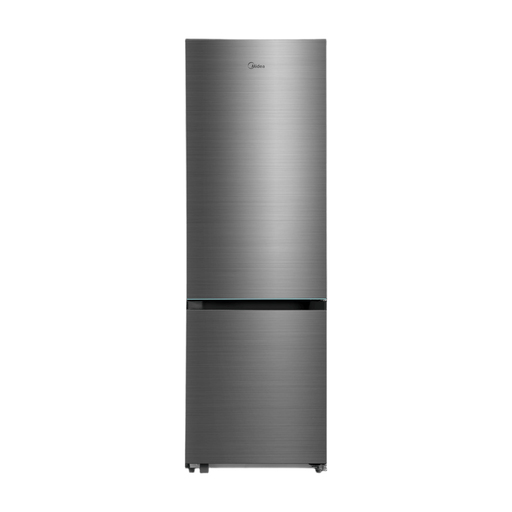 No image available
An option if you want to chill soup and freeze portions; check that your containers will fit the layout.
330 L total capacity; energy rating E; 35 dB; Total Frost Free.
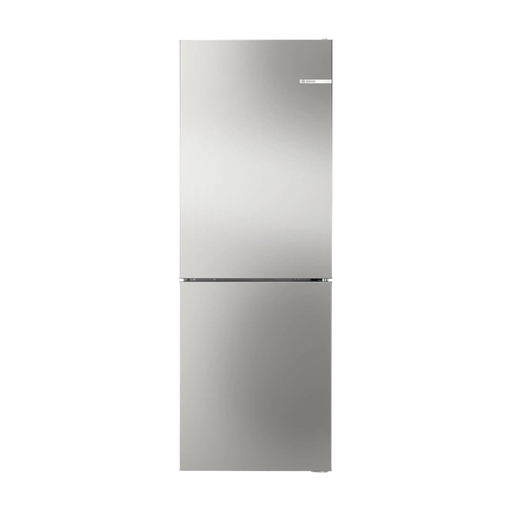 No image available
An option if you want to store chilled soup and frozen portions in one freestanding appliance; compare the layout with your containers.
308 L total capacity; NoFrost; 4-star freezer.
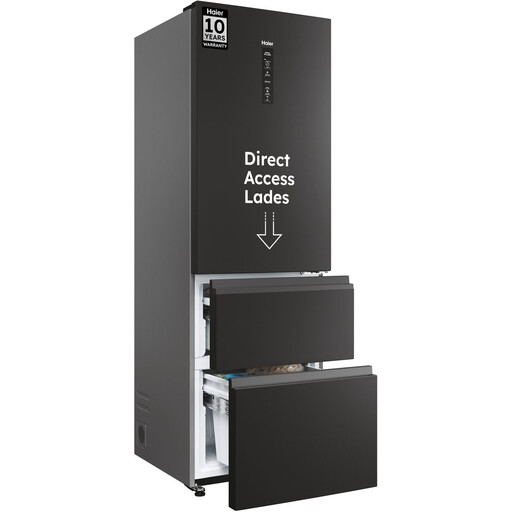 No image available
An option if you need fridge space for soup and freezer space for portions to enjoy later; check the compartment capacities and layout against your containers.
Total No Frost; WIFI; 3D Cooling.
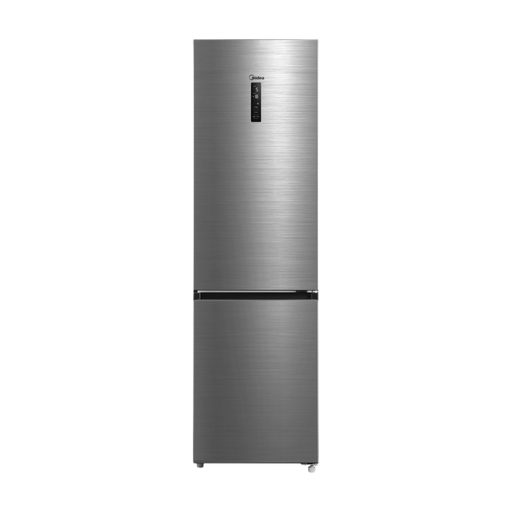 No image available
An option if you’re looking for a fridge-freezer for both soup you’ll eat soon and portions for later; check how much space your containers take up.
378 L total capacity; energy rating B; Total No Frost; 35 dB.
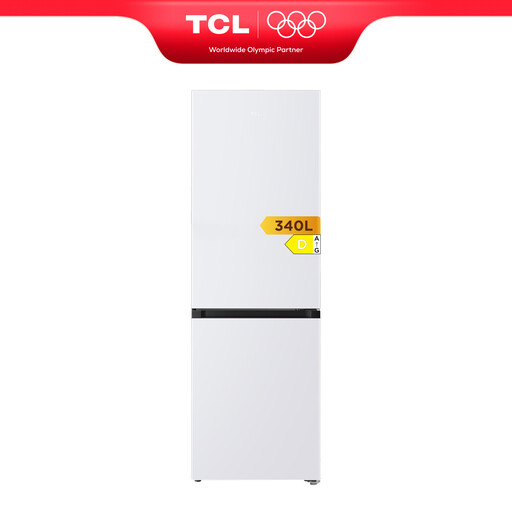 No image available
An option if you want to compare fridge and freezer capacities separately with the space you need for soup containers and portions.
223 L fridge space; 117 L freezer space; energy rating D; Total No Frost.
The Netherlands Nutrition Centre advises keeping leftovers in a fridge at 4 °C for no more than two days, or in the freezer for up to three months. Cool the soup quickly and put it in the fridge or freezer in a properly sealed container within two hours.
Defrost leftovers in the fridge or using the microwave’s defrost setting, then heat them through, stirring, until piping hot, advises the Netherlands Nutrition Centre. Throw away any soup left over after reheating.
Measure the available height, width and depth, and check the installation instructions and the space needed to open the door. Compare these measurements with the specifications for the exact model.
The EU energy label for fridges and freezers shows the energy rating, consumption in kWh per year, separate fridge and freezer capacities, and noise information. Compare models of a suitable size by both their rating and annual consumption.
According to ACM ConsuWijzer, if a product doesn’t do what you could reasonably expect, the retailer must put it right free of charge under the law, provided it has been used normally. This legal right is separate from any manufacturer’s guarantee; there is no single fixed guarantee period for every fridge.