
The host who likes to plan ahead
You cut the melon before guests arrive and want to keep it covered somewhere cold. The Netherlands Nutrition Centre recommends storing cut melon in the fridge.


Keep cut melon covered in the fridge and set it to 4 °C; check the actual temperature with a fridge thermometer, as advised by the Netherlands Nutrition Centre. Choose a fridge-freezer that fits your kitchen and offers enough usable fridge space for the melon and your other shopping. Then compare the separate fridge and freezer capacities, along with annual energy consumption. Extra freezer space is most useful if you’ll actually use it.
You cut the melon before guests arrive and want to keep it covered somewhere cold. The Netherlands Nutrition Centre recommends storing cut melon in the fridge.
You also need space for other shopping or serving dishes. So compare the fridge capacity separately from the freezer capacity.
Start with the space available or the existing cabinet recess. Check the dimensions of the exact model before comparing capacity and freezer features.
Choose this option if: you have space for a freestanding appliance and want to weigh up fridge space for melon, serving dishes and everyday shopping against freezer space.
Bear in mind: measure the space where it will go, and check that the door can open fully.
Choose this option if: the appliance needs to fit into an existing kitchen recess and sit behind a cabinet door.
Bear in mind: the recess and installation requirements limit which models will fit, so check these for the exact appliance.
| What to consider | What to look for when buying | Who is this important for? |
|---|---|---|
| Temperature | Set the fridge to 4 °C and check the actual temperature with a fridge thermometer; this is the advice of the Netherlands Nutrition Centre. | If I cut melon in advance, I want to keep it covered in a fridge with a checked temperature. Around 36% of consumers put reliable chilled storage at the top of their list when buying. |
| Fridge space | Compare the capacity in litres for the fridge and freezer separately, and check that the shelves and drawers suit what you want to store. | If I need to fit serving dishes and everyday shopping in alongside the melon, I look at the fridge space. Around 29% of consumers prioritise fridge capacity. |
| Kitchen space | Measure the height, width and depth; for an integrated model, also check the recess and installation requirements for the exact model. | If my kitchen has a fixed space or cabinet recess, the appliance needs to fit there first. Around 21% of consumers put the fit in their kitchen at the top of their list when buying. |
| Energy consumption | Compare the energy label rating and annual consumption in kWh for models that fit in terms of size and capacity. | If I use the fridge every day, I want to consider its energy consumption once I’ve found the right size and fridge space. Around 14% of consumers put running costs first. |
The total capacity doesn’t tell you how much space you’ll have for melon and other chilled food. The energy label lists the fridge and freezer capacities separately.
Compare both capacity figures and check that your storage container will fit on the shelves.
The selected setting doesn’t tell you what temperature the fridge actually reaches once it’s installed.
Set the fridge to 4 °C and check the temperature with a fridge thermometer. Keep cut melon covered.
The label rating and annual consumption in kWh tell you different things. A larger appliance can use more energy, even if it has a favourable efficiency rating.
Compare the annual consumption of models that suit your kitchen and your need for fridge and freezer space.
Bosch offers freestanding fridge-freezers; the KGN36VICT is one example.
Samsung offers freestanding fridge-freezers; the RB34C670DSA/EF is one example, with a stated total capacity of 344 l.
Beko offers freestanding and integrated fridge-freezers; the RCHE300K40SN is a freestanding example.
This selection includes integrated and freestanding fridge-freezers; check which type suits your kitchen and storage needs.
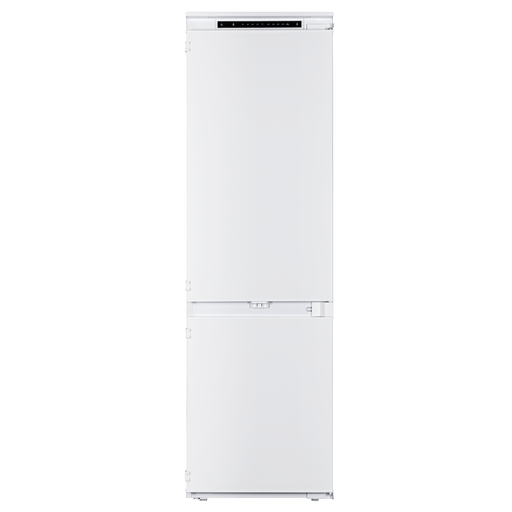 No image available
A relevant option if you’re looking for an integrated model and this version suits your cabinet recess and installation requirements.
The product name lists Total No-Frost, a height of 178 cm and a sliding door system.
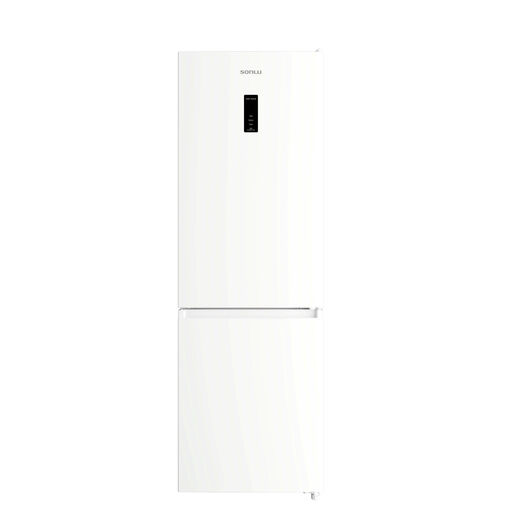 No image available
A freestanding model to compare if you want to assess the fridge and freezer space side by side.
The product name lists a total capacity of 310 l, comprising 211 l of fridge space and 99 l of freezer space, a width of 60 cm, energy class E and electronic temperature control. It also mentions an inverter compressor and a reversible door.
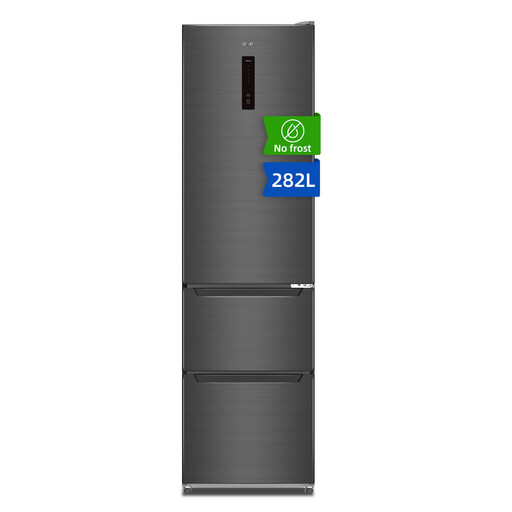 No image available
A freestanding option to compare for its listed features and layout, as well as the fridge space you need.
The product name lists a capacity of 282 l, NoFrost, an inverter compressor, an LED display, 37 dB, three doors and energy class E.
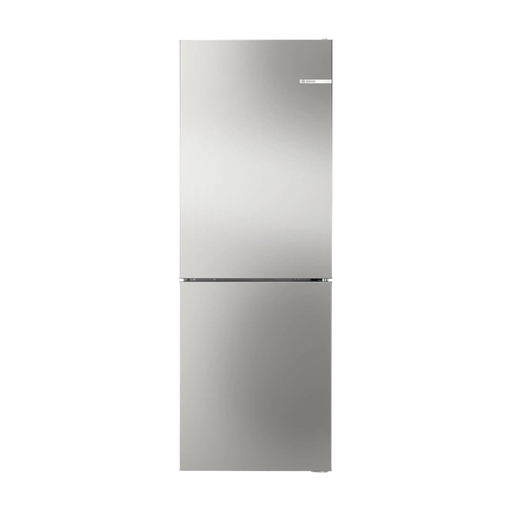 No image available
A freestanding model to assess for its combination of listed capacity and features.
The product name lists NoFrost, VitaFresh, a capacity of 308 l and a 4-star freezer compartment.
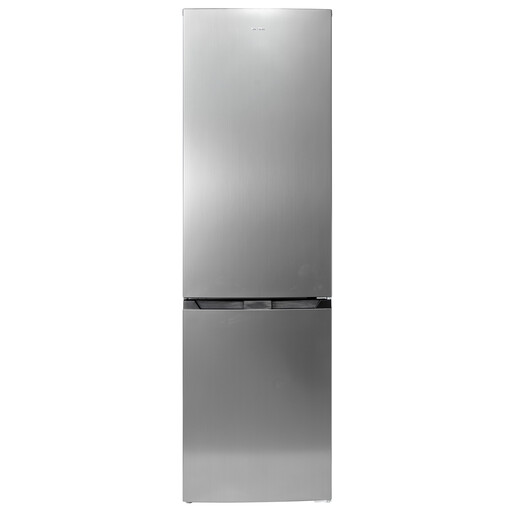 No image available
A freestanding option to compare if you want to factor door position and shelf layout into your choice.
The product name lists a net capacity of 253 l, adjustable shelves, Frost Free and a reversible door.
Keep the melon covered in the fridge. The Netherlands Nutrition Centre recommends setting the fridge to 4 °C and checking the temperature with a fridge thermometer.
No. No Frost helps limit ice build-up in the freezer compartment; for cut melon, what matters is keeping it covered in the fridge and checking that the fridge is at the right temperature.
Compare the fridge capacity separately from the freezer capacity, and check that your storage container will fit on the shelves. The total capacity alone doesn’t tell you how much space is available for chilled food.
Yes. The Netherlands Nutrition Centre recommends washing a melon under running water before cutting it. Use a brush to remove any sand.