
Keeping yoghurt for a weekend lunch
You want to keep yoghurt properly chilled until lunchtime and be able to check the fridge temperature. The Netherlands Nutrition Centre recommends setting your fridge to 4 °C.


Start with a fridge compartment whose temperature you can set and check: the Netherlands Nutrition Centre recommends setting your fridge to 4 °C. Then compare the usable fridge space, the dimensions needed for installation and the annual energy use. Choose extra freezer space or No Frost only if you’ll make use of those features.
You want to keep yoghurt properly chilled until lunchtime and be able to check the fridge temperature. The Netherlands Nutrition Centre recommends setting your fridge to 4 °C.
You also need freezer space, but the space available and the balance between fridge and freezer capacity will determine which model is right for you. The Consumers’ Association recommends choosing a fridge that suits your kitchen and your needs.
You compare suitable appliances by their annual kWh use, rather than looking only at the energy rating. Milieu Centraal highlights the annual consumption shown on the energy label.
Start with the temperature and the space you need for chilled groceries. Then compare annual energy use and decide whether the freezer and its maintenance requirements suit the way you’ll use it.
| What to consider | What to look for when buying | Who is this important to? |
|---|---|---|
| Keeping yoghurt properly chilled | Set the fridge to 4 °C and check the temperature in the fridge compartment, as recommended by the Netherlands Nutrition Centre. | When I keep yoghurt for a weekend lunch, I want to be able to check the fridge-compartment temperature; around 36% of consumers give reliable yoghurt chilling top priority. |
| Fridge space and installation | Compare the fridge and freezer capacities separately, and measure the available space, ventilation clearance and doorway. | With limited kitchen space, I want enough room for yoghurt and other groceries without choosing an appliance that won’t fit properly; around 29% of consumers prioritise size and layout. |
| Annual energy use | Compare the annual kWh use and energy rating of appliances that offer enough fridge space. Milieu Centraal recommends taking the consumption shown on the energy label into account. | As a fridge runs constantly, I want to compare energy use for a size that suits my groceries; around 21% of consumers prioritise annual energy consumption. |
| Freezer maintenance | Check whether No Frost applies to the freezer compartment and weigh this against how often you use the freezer. The Consumers’ Association describes No Frost as a way to prevent ice build-up in the freezer compartment. | If I use the freezer regularly, I want to know how much defrosting the model requires; around 14% of consumers put reduced freezer maintenance first. |
A large freezer doesn’t tell you how much room is left for yoghurt and everyday groceries. The Consumers’ Association points out that your choice should suit your kitchen and your needs.
Compare fridge and freezer capacities separately, and check the external dimensions and the clearance needed for ventilation.
An unsuitable split of space could leave you short of fridge capacity for everyday groceries, even if the total capacity seems generous.
A special drawer doesn’t prove that the whole fridge compartment is at 4 °C, the temperature recommended by the Netherlands Nutrition Centre.
Once the appliance is installed, check the temperature in the fridge compartment and adjust the settings if needed.
No Frost is about ice build-up in the freezer compartment; for yoghurt, the temperature in the fridge compartment matters. The Consumers’ Association describes No Frost as a feature that prevents ice build-up in the freezer.
Choose No Frost based on how you use your freezer, and check the fridge temperature separately.
If you hardly use the freezer, extra freezer space may be a feature you don’t need for keeping yoghurt.
The KGN36VICT is a freestanding fridge freezer with the freezer compartment at the bottom.
The freestanding RB38C607AB1/EF is a tall, cabinet-style model with a stated total capacity of 387 litres.
The B5RCNO377X is a 60 cm-wide freestanding fridge freezer with the freezer compartment at the bottom.
The ICBNbi 5153 is a built-in fridge freezer designed to fit a suitable kitchen cabinet.
This selection includes freestanding fridge freezers and a built-in model for anyone looking to store yoghurt and other chilled groceries.
 No image available
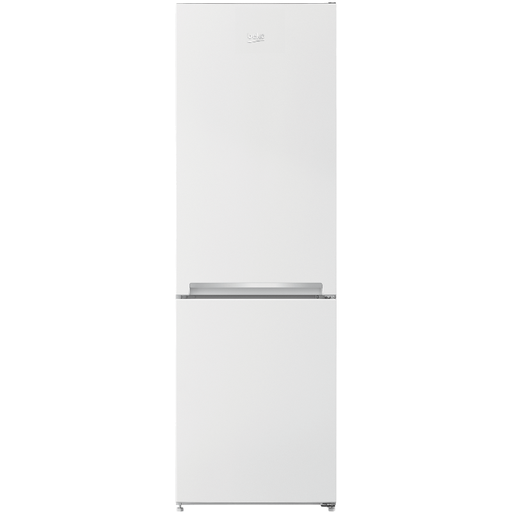
A freestanding combination for anyone looking for a compact setup with both fridge and freezer space.
According to the product name: 187 L fridge capacity, 73 L freezer capacity, 55 cm wide, energy class E, Fresh Zone and reversible door.
 No image available
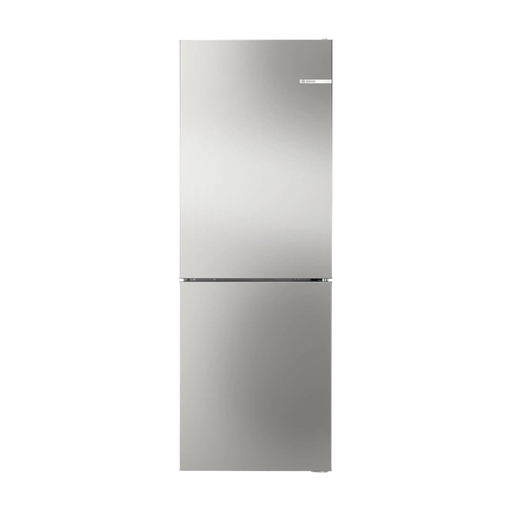
A freestanding model to compare if you’re looking for a fridge freezer with No Frost.
According to the product name: 251 L capacity, No Frost and energy class E.
 No image available
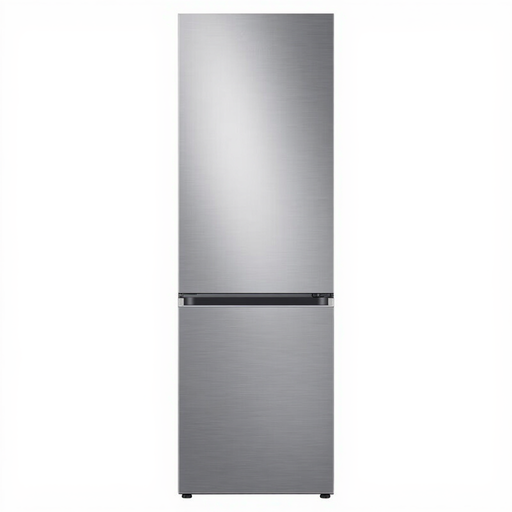
A freestanding model to compare if you’re looking for a fridge freezer with a No Frost freezer compartment.
According to the product name: 308 L capacity, NoFrost, VitaFresh and a 4-star freezer compartment.
 No image available
A freestanding model to compare if you’re looking for a combination with a freezer compartment.
According to the product name: 344 L capacity, No Frost, SpaceMax and energy class C.
 No image available
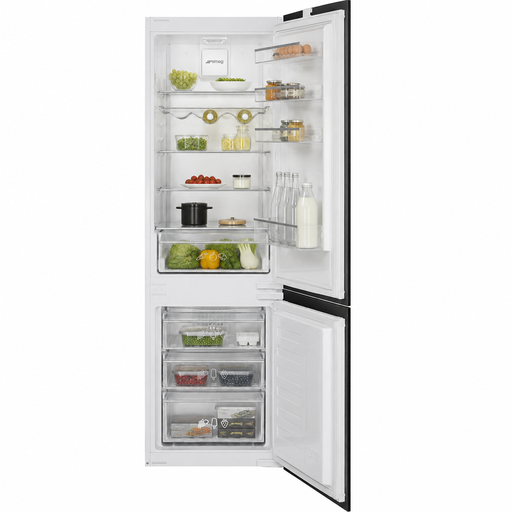
A built-in model to compare if you want to fit fridge and freezer space into a kitchen cabinet.
According to the product name: 262 L total capacity, No Frost in the freezer, inverter compressor and energy class E. Check that the housing space is 178 cm high.
Set your fridge to 4 °C, as recommended by the Netherlands Nutrition Centre. Check the temperature in the fridge compartment with a fridge thermometer and adjust the setting if needed.
The Netherlands Nutrition Centre says opened full-fat yoghurt can be kept in the fridge for 5–7 days, and recommends checking its appearance, smell and taste afterwards. For an unopened pack, follow the storage advice and date on the packaging.
No Frost relates to ice build-up in the freezer compartment; for yoghurt, the temperature in the fridge compartment is what matters. A special drawer doesn’t prove that the whole fridge is at 4 °C.
Yes. According to the European Commission, the EU energy label for fridges and freezers has used classes A to G since 1 March 2021. Compare the label information for the exact model; the old A+ rating uses a different scale.