
Vandaag of morgen in huis

Kwaliteit gegarandeerd

Welkomstaanbiedingen ontgrendelen: GRATIS bezorging | Tot 80% korting | Gratis 30 dagen JoyPlus-proefperiode
Download de app
A new fridge-freezer is a major purchase. It's an appliance that runs day and night and plays a central role in your household. However, the market is filled with marketing jargon and features that sound better than they are. As a Joybuy Product Recommendation Officer, I'm here to help you make the right choices based on facts, ensuring you find a model that truly fits your lifestyle. Let's look at the three most common pitfalls.
Almost every modern fridge-freezer is advertised with No Frost. This sounds like the ultimate solution to the tedious task of defrosting. The reality is that not all No Frost systems are created equal. Some systems are noisy or unnecessarily drive up your energy bill. Another point to consider is that some models only feature No Frost in the freezer section, while ice build-up on the back panel of the fridge can also cause problems. Therefore, look for the term "Total No Frost," which indicates that both compartments will remain ice-free.
Especially in homes with an open-plan kitchen, the sound of a refrigerator is a constant presence. A difference of a few decibels on paper might seem insignificant, but in practice, it makes a world of difference. A 41 dB model produces noticeably more noise than a quiet fridge of 35 dB. Manufacturers sometimes use terms like "whisper-quiet," but the only objective measure is the decibel (dB) rating on the energy label.
A large capacity is useless if the layout is impractical. A deep, narrow fridge might hold many litres, but items at the back are easily forgotten. Therefore, don't just focus on the total volume, but pay close attention to the layout's flexibility: are the shelves adjustable? Are there special drawers for vegetables and meat? And is the door space conveniently arranged for bottles and smaller items?
To avoid making the wrong choice, it's best to focus on a few key specifications. These will determine the user experience and your long-term costs.
Since 2021, the energy label has been updated, running from A (most efficient) to G (least efficient). An energy-efficient fridge with a C or D rating can save you hundreds of euros over its 10-15 year lifespan compared to a model with an F rating. The annual consumption in kilowatt-hours (kWh) is also listed on the label and provides a clear indicator of the expected running costs.
As mentioned earlier, this is a crucial factor for your home's comfort. Use this rule of thumb:
The right type depends on your household and the available space.
Based on objective specifications, we have selected a few models that suit different needs and budgets.

Why it's a good fit: This tabletop model is ideal for those with limited space. With 95 litres of fridge space and a 14-litre freezer compartment, it offers enough capacity for a one or two-person household without dominating the kitchen.
With a noise level of just 37 dB, this is a very quiet fridge, avoiding the pitfall of disruptive noise. The layout is practical for its size.
Highly energy-efficient with an energy label C and an annual consumption of just 89 kWh. The door is reversible for flexible placement.
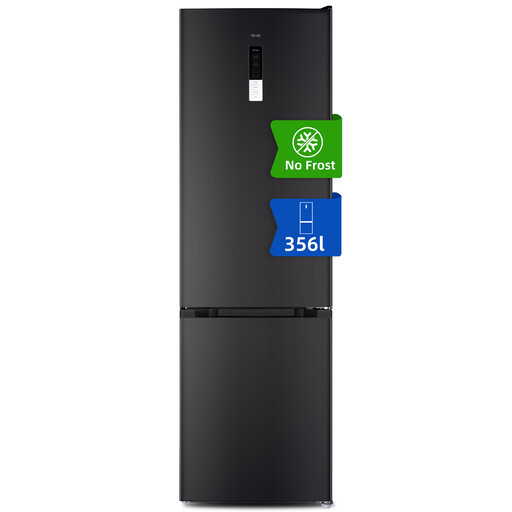
Why it's a good fit: A solid all-rounder for families. With a total capacity of 356 litres, a flexible layout, and modern features, this model offers a great balance between space, performance, and price.
This model tackles two pitfalls: it features Total No Frost and, at 35 dB, is exceptionally quiet, making it ideal for an open-plan kitchen. The layout with adjustable drawers is practical.
The inverter compressor is not only quiet and energy-efficient, but according to the manufacturer, it also comes with a 12-year warranty, providing long-term peace of mind.
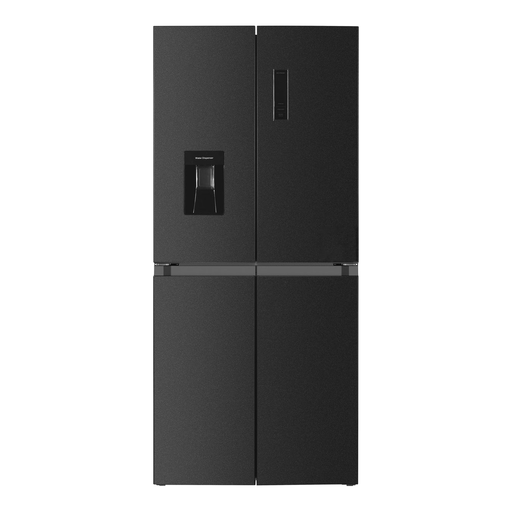
Why it's a good fit: This American-style fridge offers a vast 419 litres of space. The four doors and numerous drawers make it ideal for those who like to buy in bulk and keep everything neatly organised.
The pitfall of 'unusable space' is solved here with a highly organised layout featuring 6 freezer drawers and 2 vegetable drawers. The Total No-Frost technology is a standard feature.
The built-in water dispenser (refillable, no plumbing required) and the efficient energy label C make this a luxurious yet sensible choice for a large household.
We have curated a current list of appliances that meet the strictest selection criteria and offer the highest energy efficiency.
A model considered 'quiet' has a noise level of 38 decibels (dB) or lower. This is comparable to the sound in a library or a soft whisper. In an average home environment, such an appliance is barely audible, making it ideal for open-plan kitchens or studios.
Yes, in the long run. Although the No Frost system itself consumes energy, it prevents ice from building up on the cooling elements. A layer of ice acts as an insulator, forcing the compressor to work harder and longer to maintain the temperature. An ice-free freezer therefore operates more efficiently, resulting in more stable and lower energy consumption. Plus, it saves you the hassle of manual defrosting.
The average lifespan of a fridge-freezer is between 10 and 15 years. Models with an inverter compressor often have a longer lifespan because the motor experiences less wear and tear by running more consistently. Proper maintenance, such as regularly cleaning the condenser coils on the back, can also extend its life.
