
Vandaag of morgen in huis

Kwaliteit gegarandeerd

Welkomstaanbiedingen ontgrendelen: GRATIS bezorging | Tot 80% korting | Gratis 30 dagen JoyPlus-proefperiode
Download de app
Choosing a new fridge-freezer seems simple, until you dive into the specifications. Manufacturers use marketing terms that create more confusion than clarity. As a result, you might pay for features you don't need, or end up with an appliance that doesn't fit your lifestyle. As a Product Recommendation Officer at Joybuy, I see where things go wrong every day. Let's discuss the three most common pitfalls so you can make an informed choice.
Pitfall 1: The myth of "spacious capacity" A large number in litres sounds impressive, but it says little about the usable space. An impractical layout with fixed shelves or door compartments that are too small can make a large fridge feel cramped in practice. You end up stacking items, which blocks air circulation and means your food stays fresh for a shorter time.
Pitfall 2: The "silent" fridge that keeps you up at night Many models are advertised as quiet, but without a specific decibel (dB) rating, this is an empty promise. Especially in an open-plan kitchen, a constantly humming fridge can be disruptive. A quiet fridge-freezer isn't a luxury, but a necessity for home comfort.
Pitfall 3: The difference between "No Frost" and "low ice" The term No Frost fridge-freezer is often used incorrectly. Many cheaper models have "Low Frost," which means you still have to defrost them manually a few times a year. True No Frost technology prevents ice build-up completely, saves energy, and keeps your frozen goods in better condition.
To avoid these pitfalls, focus on the objective specifications. These are the three factors that determine the performance and running costs of your freestanding fridge with freezer.
Since 2021, refrigerators have a new energy label ranging from A (very efficient) to G (very inefficient). A energy-efficient fridge with a C-label is a good, affordable choice these days. Don't just focus on the letter; also look at the annual energy consumption in kWh. This figure, multiplied by your electricity rate, gives a realistic estimate of the annual costs. A slightly more expensive, more efficient fridge often pays for itself within a few years.
The noise level is crucial, especially in an open-plan kitchen or studio apartment. The specifications always list this in decibels (dB).
This determines how much maintenance is required and how well your food is preserved.
Based on these objective criteria, we have selected a number of models that suit different needs and budgets.
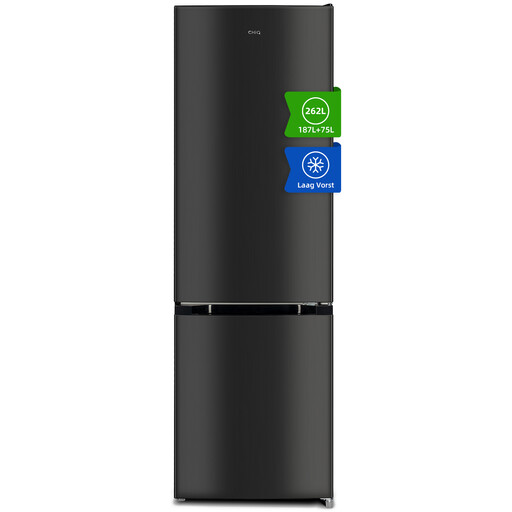
Why it's a match: This model offers an excellent balance for those watching their budget. It combines a very efficient energy label with a practical capacity for a small family or couple, without paying for extras you won't use.
The specifications are clear: a noise level of 38 dB is explicitly stated, and the Low Frost technology is honestly mentioned, so you know what to expect. The layout is flexible and practical for 262 litres.
The C-class energy label is remarkably efficient for this price range, leading to a lower energy bill in the long run.
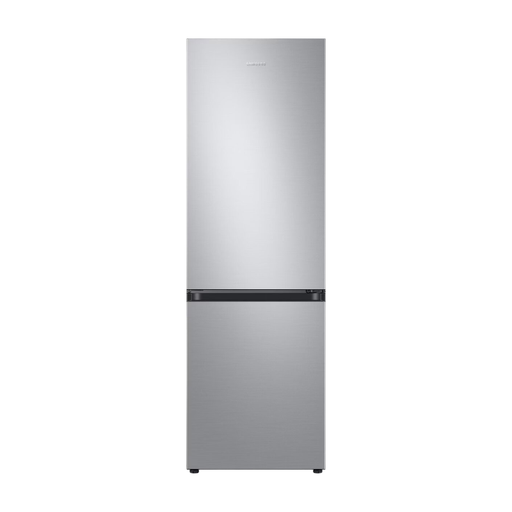
Why it's a match: For families living in an open-plan space, a low noise level is essential. This model combines very quiet operation with a spacious, efficiently designed capacity and useful smart features.
With a specified noise level of 35 dB, this is one of the quietest models on the market. The SpaceMax technology provides maximum internal space without increasing the external dimensions, and it features full No Frost technology.
The combination of a C-class energy label and an extremely low noise level (35 dB) makes this an excellent choice for modern living.
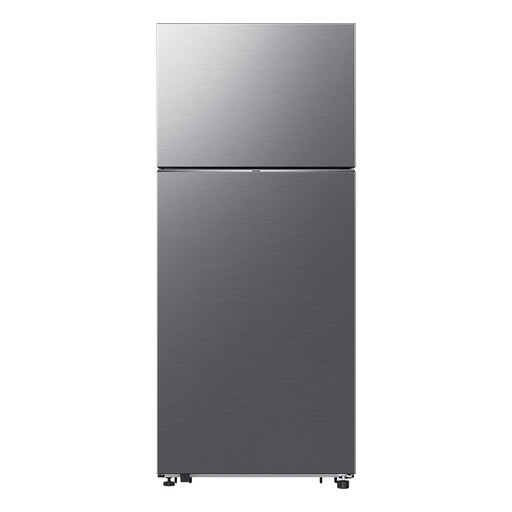
Why it's a match: Large families or those who enjoy meal prepping need maximum storage. This extra-wide model offers a massive 530-litre capacity, ensuring you'll never run out of space for your weekly groceries.
The capacity isn't just large on paper; it's genuinely usable thanks to the wide layout and SpaceMax technology. The Total No Frost and Twin Cooling Plus technologies ensure optimal, maintenance-free performance.
A very large total capacity of 530 litres (404L fridge, 126L freezer) provides more than enough space for the most demanding households.
We have compiled a complete, up-to-date list of products that meet these strict selection criteria and UK safety regulations.
A quiet fridge-freezer typically produces 35 decibels (dB) or less. This is comparable to a whisper and is barely noticeable in a normal home environment. Models between 36 and 39 dB are also considered quiet but may be slightly audible in a very silent room.
No Frost is a system that completely prevents ice build-up in the freezer compartment by continuously circulating dry air. This means you never have to defrost it manually. Low Frost greatly reduces ice formation but does not eliminate it entirely. With a Low Frost model, you will need to defrost the freezer on average once or twice a year.
A good rule of thumb for the total capacity (fridge and freezer) is:
However, don't just look at the litres; consider your shopping habits. If you buy a lot of frozen goods or fresh vegetables, a model with a larger freezer compartment or a special freshness zone would be a better choice.
