
Vandaag of morgen in huis

Kwaliteit gegarandeerd

Welkomstaanbiedingen ontgrendelen: GRATIS bezorging | Tot 80% korting | Gratis 30 dagen JoyPlus-proefperiode
Download de app
Choosing a new fridge-freezer seems simple, until you get tangled in a web of specifications, marketing jargon, and models that all look the same. As a Product Recommendation Officer at Joybuy, I see the challenges consumers face every day. Many choices lead to buyer's remorse because the appliance doesn't meet expectations in daily use. Let's expose the most common pitfalls so you can make an informed decision.
The three biggest mistakes when buying a refrigerator:
To avoid a bad purchase, it's crucial to look beyond the marketing. Focus on the specifications that truly matter in everyday use.
Since the introduction of the new energy labels (A to G), the landscape has changed. A model with Energy Class E is now a common and acceptable choice. An energy-efficient fridge with Class C or D is already a significant step up and will save you money on your energy bill in the long run. Class A is top-tier, but these models are often more expensive to purchase. Always check the estimated annual consumption in kWh/year on the label to make a realistic comparison.
This is a critical factor for anyone with an open-plan kitchen or a home where sound travels easily. The noise level is expressed in decibels (dB).
The compressor is the heart of your refrigerator. A traditional compressor runs at full power and shuts off when the target temperature is reached. An inverter compressor continuously adjusts its speed based on cooling demand. The advantages are significant:
To help you get started, we've selected a few models that score well on the most important specifications and are suited to different households.
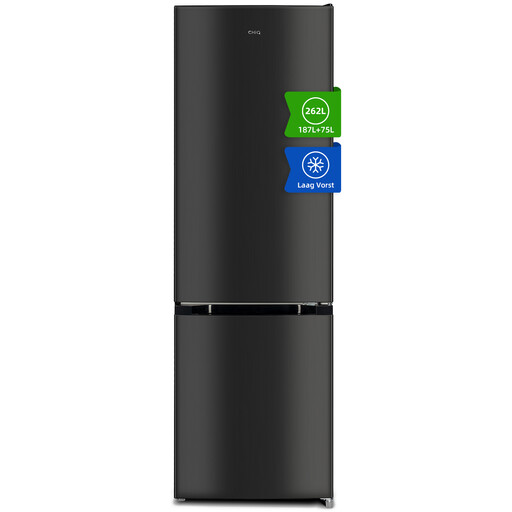
Why this fits: Ideal for one or two-person households looking for a reliable and efficient fridge without the premium price tag. It has a compact exterior but features a practical layout and 262 litres of net capacity.
At 38 dB, this model is quiet enough for most kitchens. The net capacity is well-utilised, and the Low Frost technology significantly reduces ice build-up.
The Energy Class C rating is highly efficient for this price point, resulting in a low energy bill. The door is reversible for flexible placement.
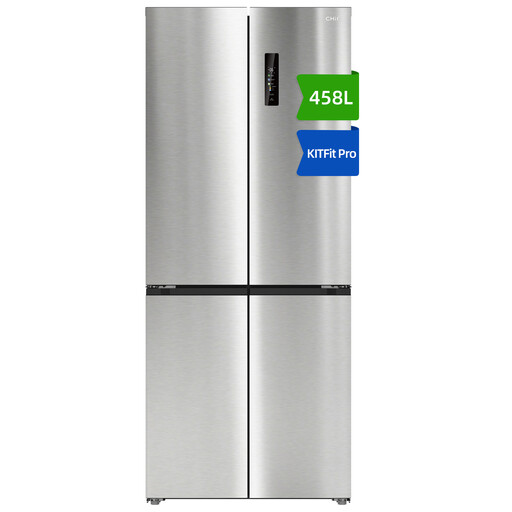
Why this fits: A large-capacity fridge (458L) with a layout similar to an American-style fridge. Perfect for families who buy groceries in bulk. The cross-door design minimises cold loss, and the special Care+ zone is ideal for meat, vegetables, or drinks.
The net capacity is genuinely large and practical. At 37 dB, it's a very quiet fridge for its size, thanks in part to the inverter compressor. The Total No Frost technology works exceptionally well.
The KITFit Pro design ensures a sleek, almost seamless fit in the kitchen. The flexible Care+ zone with three temperature settings is a unique feature for optimal freshness.
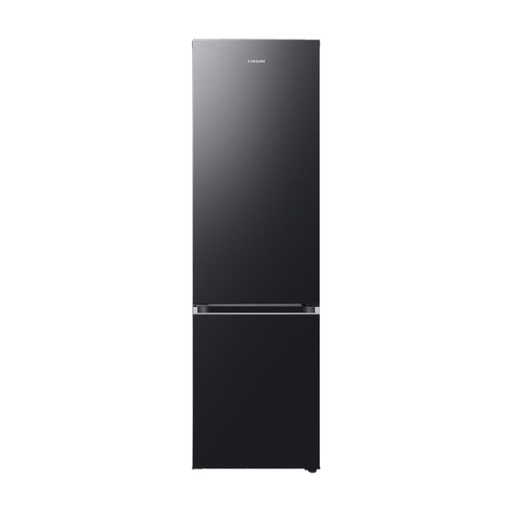
Why this fits: For those who prioritise design, silence, and efficiency. This Samsung fridge in stylish black (Premium Black Steel) is an asset to any modern, open-plan kitchen.
This is the definition of a quiet fridge: at 35 dB, it's whisper-quiet. The SpaceMax technology, as Samsung calls it, maximises interior space without increasing the external dimensions.
The combination of Energy Class A and a 35 dB noise level is exceptional. The SmartThings AI Energy Mode helps to further optimise consumption.
We have compiled a complete, up-to-date list of products that meet these strict selection criteria and EU safety regulations. The compressor is the heart of any refrigerator, and its quality determines its performance.
A No Frost system completely prevents ice formation in the freezer compartment by continuously circulating dry, cold air. This means you never have to defrost it manually. Low Frost significantly reduces ice build-up, but you will still need to defrost the freezer section occasionally (about once a year). Low Frost models are often slightly more energy-efficient and quieter than basic No Frost models.
The average lifespan of a fridge-freezer is between 10 and 15 years. The lifespan heavily depends on the quality of the components, especially the compressor. Models with an inverter compressor often have a longer lifespan because the motor experiences less wear and tear. Proper maintenance, such as cleaning the condenser coils and checking the door seals, can also extend its life.
The cost depends on the energy class and the current electricity price. Let's take an example with an electricity price of €0.30 per kWh:
A more efficient model can therefore certainly pay for its higher purchase price over the years.
