
Planning a shared meal
Freezes sliced bread in portions, but also wants to use the freezer drawers for other parts of the meal. The Netherlands Nutrition Centre recommends freezing bread in portions.


Choose a fridge-freezer with a freezer compartment and drawers that suit your bread portions as well as the other food you need for your meal. The total capacity doesn’t tell you how much usable space there is in a particular drawer. Then compare the appliance’s external dimensions and annual energy consumption on the energy label. According to the Consumers’ Association, No Frost reduces ice build-up in the freezer compartment, but it doesn’t in itself tell you how well bread will keep.
Freezes sliced bread in portions, but also wants to use the freezer drawers for other parts of the meal. The Netherlands Nutrition Centre recommends freezing bread in portions.
Wants to freeze bread within the available space and weigh up the appliance’s external dimensions against its usable freezer capacity. Energylabel.nl’s information helps you compare fridge and freezer capacity separately.
Compares the annual energy consumption of appliances that meet their storage needs, rather than looking only at the energy rating. Milieu Centraal recommends using annual consumption in kilowatt-hours as a point of comparison.
Start with the freezer capacity and layout, then check that the appliance will fit. Finally, compare energy consumption and the defrosting features you want.
| What to consider | What should you check? | Who should consider this? |
|---|---|---|
| Freezer capacity and layout | Compare the freezer capacity separately from the total capacity, and check that your bread packaging will fit in the drawers. Energylabel.nl shows the freezer capacity, but not the usable shape of each drawer. | If I want to store bread portions alongside other food for a meal, I focus on the freezer’s capacity and layout. Around 36% of consumers say usable freezer space is their main concern when buying. |
| Size and type | Measure the available height, width and depth, as well as the space needed to open the doors. For built-in models, also check the niche dimensions, door fixing system and installation instructions for the exact model. | If you have limited kitchen space or an existing built-in niche, you’ll want to know whether the appliance will fit. Around 22% of consumers prioritise finding the right size and type. |
| Annual energy consumption | Compare annual consumption in kWh, and check the separate fridge and freezer capacities on the same energy label. Milieu Centraal and the energy label provide information to help you compare appliances with suitable capacities. | If I’m mainly concerned about energy use, I compare the annual consumption of models with enough space. Around 21% of consumers say energy consumption is their main concern when buying. |
| Ease of defrosting | Check whether No Frost applies to the freezer compartment of the exact model, and weigh this against its other specifications. According to the Consumers’ Association, No Frost prevents ice build-up in the freezer compartment. | If you use the freezer drawers often, ice build-up and manual defrosting can be a nuisance. Around 21% of consumers prioritise less maintenance for the freezer compartment. |
The energy label lists fridge and freezer capacity separately, but the freezer capacity alone still doesn’t show the shape of a particular drawer.
Compare the freezer capacity, then check whether your usual bread portions will fit in the drawers.
No Frost relates to ice build-up in the freezer compartment. The Netherlands Nutrition Centre warns that bread can dry out if it’s frozen for a long time.
Freeze bread in portions and choose No Frost to reduce ice build-up, not as a guarantee of bread quality.
The energy rating alone doesn’t tell you how much electricity the appliance is expected to use per year or how much fridge and freezer space you get.
Compare the annual consumption in kWh and the separate fridge and freezer capacities of models that suit your needs.
Freestanding and built-in models are designed differently. Built-in models can also have different cooling or door systems.
Before choosing, check the niche dimensions, door fixing system and ventilation instructions for the exact appliance.
The KGN33NLEB is a freestanding fridge-freezer for buyers looking for a No Frost model.
Samsung describes the RB34C605CWW/EF as a fridge-freezer with a total capacity of 344 litres.
According to Beko Netherlands, the RDSA240K40WN is a 54 cm-wide fridge-freezer with a top freezer compartment.
According to Liebherr, the CNsdc 5203 is a freestanding No Frost fridge-freezer with separate cooling circuits.
Each of these fridge-freezers has a separate freezer compartment. Compare each model’s stated freezer capacity, layout and external dimensions with the space you need for bread and other food for your meal.
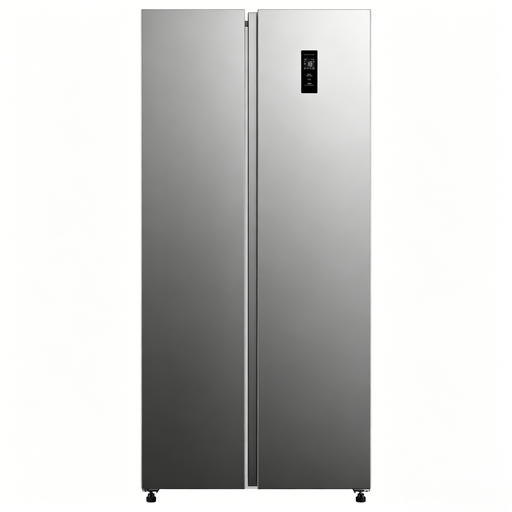 Image unavailable
The stated freezer capacity of 168 litres and multiple compartments give you specific details to compare if you want to store bread separately from other frozen food.
The product information lists 276 litres of fridge space and 168 litres of freezer space, No Frost, digital temperature controls, 40 dB and energy class E. The stated dimensions are 830 × 610 × 1785 mm and the width is 83 cm.
 Image unavailable
The stated freezer space, with two drawers and a storage compartment, makes it easy to assess whether the layout suits separate portions of bread.
The product information lists 98 litres of freezer space, two freezer drawers, a storage compartment and Total Frost Free. The stated depth is 57 cm; the product name lists 35 dB and energy class E.
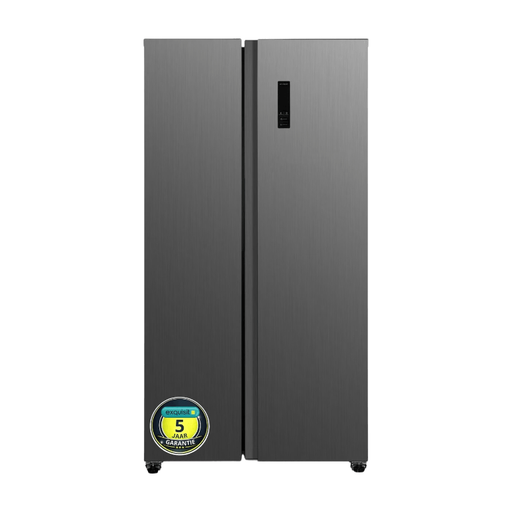 Image unavailable
The stated six freezer compartments let you check whether the layout works for bread portions and other frozen food.
The product information lists 151 litres of freezer space, six freezer compartments and a width of 91 cm. The product name specifies a frost-free model with adjustable shelves.
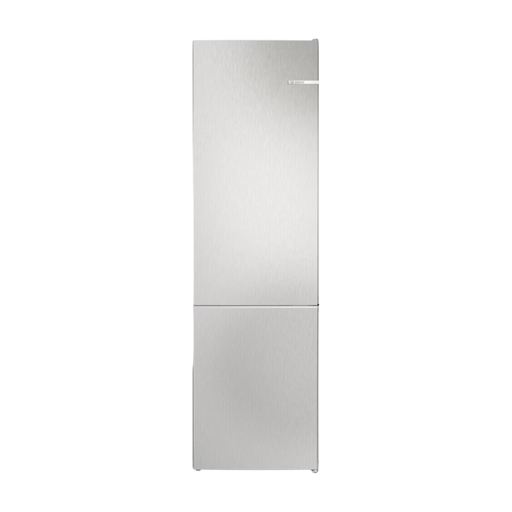 Image unavailable
The stated freezer capacity and width are useful points of comparison when weighing up your storage needs and the space available in your kitchen.
The product information lists 260 litres of fridge space, 103 litres of freezer space and a freezing capacity of 10 kg per 24 hours. The stated width is 60 cm; the product name specifies No Frost.
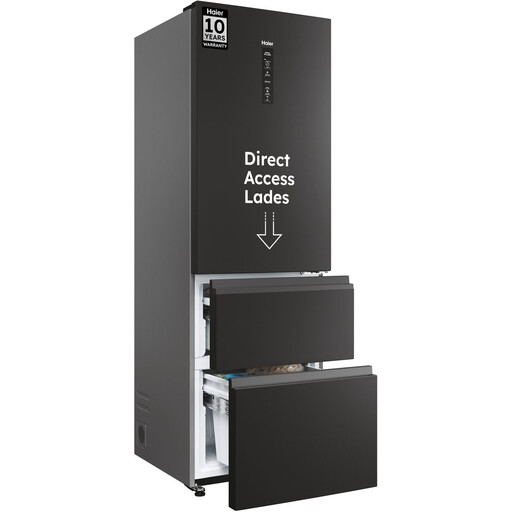 Image unavailable
The two separate freezer drawers can help you store bread portions apart from other frozen food; check that the layout suits your needs.
The product information lists 125 litres of freezer space and two freezer drawers. The stated dimensions are 59,5 × 185 × 66,7 cm; the product name specifies Total No Frost, WIFI and 3D Cooling.
Freeze bread in portions after buying it and take out what you need. For opened wholemeal bread, the Netherlands Nutrition Centre recommends keeping it in the freezer for 1–3 months; after that, its quality may deteriorate. This guidance doesn’t necessarily apply to every type of bread.
The Netherlands Nutrition Centre recommends setting the fridge to 4 °C and checking it with a separate thermometer, as the display doesn’t always show the actual temperature. The Consumers’ Association gives −18 °C as the ideal freezer temperature. These are storage recommendations, not specific legal requirements for buying an appliance.
According to the Consumers’ Association, No Frost prevents ice build-up in the freezer compartment. Check that the feature applies to the freezer of the model you choose, and follow the user manual when cleaning the drawers and door seals.
The energy label for household fridges and freezers shows, among other things, the energy class A–G, annual consumption in kWh, separate fridge and freezer capacities, and noise level. Compare the label for the exact model; the European Commission explains the EU energy-labelling rules for fridges and freezers.
If a product doesn’t meet what you could reasonably expect under normal use, ACM ConsuWijzer says the retailer is responsible for providing a remedy under your statutory rights at no cost. There isn’t an automatic fixed two-year warranty period for every fridge.