What should you look for when buying?
Start with the space you need for serving berries fresh and storing other dishes. Then compare freezer capacity for later use, along with the dimensions, energy use and noise level for everyday use. The Netherlands Nutrition Centre recommends setting your fridge to 4 °C and storing berries dry.
| What to consider |
What should you look for? |
Who is this for? |
| Storing berries properly |
Check that the salad drawer and packaging fit without squashing the berries, and follow the storage advice for each type. |
If I want to serve berries fresh, I need to be able to store them dry and within easy reach. Around 36% of consumers prioritise keeping food fresh. |
| Space for the meal |
Compare the fridge capacity, shelves and drawers. Measure the available space too, and check the ventilation clearance in the manual. |
When I need to chill berries and dishes of other food at the same time, a practical layout matters. Around 29% of consumers prioritise space for the whole meal. |
| Freezing berries |
Check the freezer capacity and, if you’re freezing larger quantities at once, the stated freezing capacity in kg per 24 hours. |
If I want to use some berries later, I need enough freezer space as well as room for the fresh ones. Around 21% of consumers put freezing food for later first. |
| Everyday use |
Compare kWh per year, noise in dB and the dimensions of models that fit the space available. |
If the fridge-freezer will be running every day after the meal, I want its size and energy use to suit my kitchen. Around 14% of consumers prioritise everyday use and fitting the appliance into their kitchen. |
Fridge-freezers at Joybuy
These models offer different combinations of fridge space, freezer space and layout for storing berries and other food.
 No image available
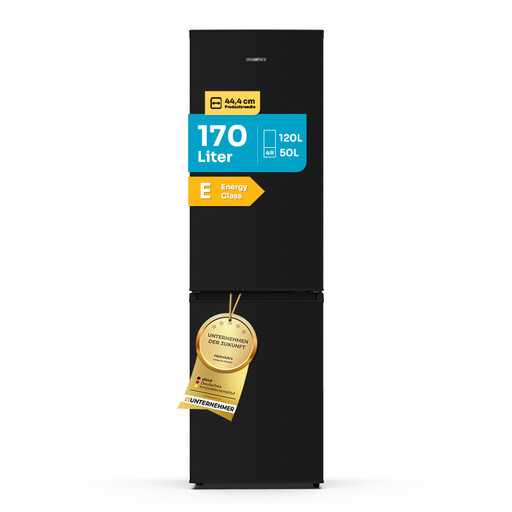
Heinrich’s fridge-freezer, 170 l, black
The separate fridge and freezer compartments provide space for chilled berries and food you want to freeze.
Fridge capacity: 120 l. Freezer capacity: 50 l. Freezer compartment with a 4-star rating. Energy class E. Noise level: 40 dB.
Joybuy
 No image available
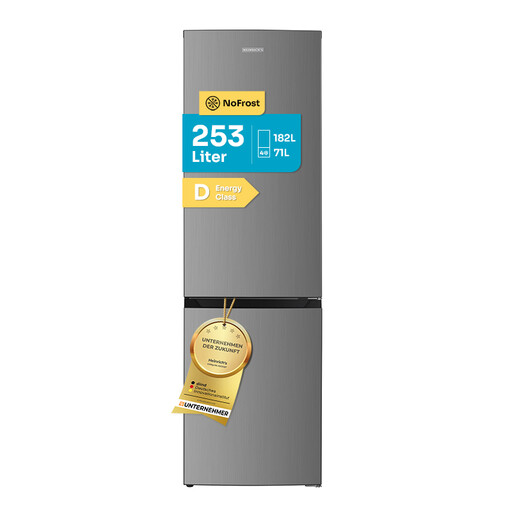
Heinrich’s fridge-freezer, 253 l, Inox
The stated fridge capacity and salad drawer are worth considering if you want to keep berries and other ingredients chilled.
Fridge capacity: 182 l. Freezer capacity: 71 l. No Frost. Noise level: 39 dB. Reversible door.
Joybuy
 No image available
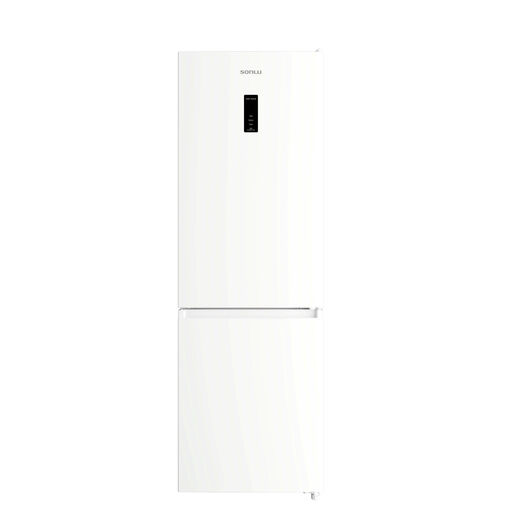
Sonlu CD-350RW fridge-freezer, 310 l
The separate fridge and freezer compartments make this an option if you want to chill berries and freeze some for later.
Fridge capacity: 211 l. Freezer capacity: 99 l. Width: 60 cm. Energy class E. Reversible door. Electronic temperature control.
Joybuy
 No image available
TCL RF338BSE0 fridge-freezer, 260 l
The Fresh Zone drawer is useful if you want to store berries separately. Check that the drawer and packaging suit your needs.
Fridge capacity: 187 l. Freezer capacity: 73 l. Width: 55 cm. Adjustable shelves. Reversible door. Energy class E.
Defrosting is manual.
Joybuy
 No image available
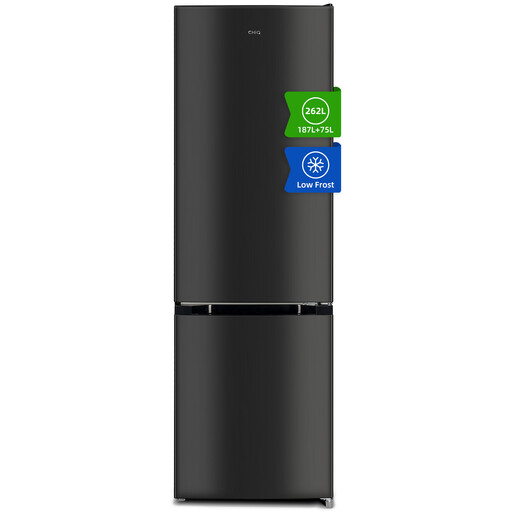
CHiQ JR263LGE fridge-freezer, 262 l
The separate fruit and vegetable drawer could suit berries you want to store separately in the fridge.
Low Frost. Freezer compartment with a 4-star rating. Noise level: 39 dB. Adjustable shelves. Reversible door.
This model is described as Low Frost.
Joybuy
Frequently asked questions
Should you keep berries in the fridge or freezer until the community meal?
For serving berries fresh, the Netherlands Nutrition Centre recommends refrigeration: store strawberries dry and covered in the salad drawer, and raspberries dry in their original packaging or a paper bag. Freezing is an option for berries you want to use later; follow the storage advice for that particular type.
What temperature should you set your fridge to?
The Netherlands Nutrition Centre recommends setting your fridge to 4 °C. This doesn’t mean that every drawer in every model will automatically reach that temperature.
What do fridge energy labels and capacity figures tell you?
A fridge energy label includes information such as the energy class, annual energy use in kWh, fridge and freezer capacities, and noise level. Energielabel.nl and Milieu Centraal explain these label details. Compare the layout too, and check whether a capacity figure refers to the stated or usable capacity.
What can you do if your new fridge turns out to be faulty?
If a product doesn’t meet the required standard, contact the seller. According to the Dutch Government, the seller is responsible for helping you find a solution, such as a free repair or replacement. An additional manufacturer’s warranty doesn’t replace your statutory rights.
Does the seller have to take away your old fridge?
When you buy a new, similar appliance, the Dutch Government’s take-back scheme means that private buyers can return their old appliance to the retailer free of charge. This also applies to online purchases with delivery; agree in advance on the practical arrangements for handing it over.


