
Weekly leafy greens shopper
You regularly buy several portions of lettuce and want enough room in the salad drawer without crushing the leaves.


For lettuce bought at the market, a standard fridge with a usable salad drawer is usually enough: the Voedingscentrum recommends storing vegetables in the salad drawer and setting your fridge to 4 °C. A dedicated freshness zone is mainly worth considering if you regularly store larger quantities of leafy greens. Check the drawer dimensions, though, and don’t treat manufacturers’ claims as a guaranteed storage time.
You regularly buy several portions of lettuce and want enough room in the salad drawer without crushing the leaves.
You bring home pre-cut or mixed leaves and want to keep an eye on the cooling and use the salad in good time.
You want to store market-fresh vegetables while also taking account of your kitchen dimensions, fridge and freezer space, and energy use.
Start with a salad drawer that can hold your lettuce without crushing it, and a fridge whose temperature you can set and check. Then consider whether a separate freshness zone, extra fridge space or a freezer compartment suits your shopping habits and kitchen.
| What to consider | What should you check? | Who should pay closer attention? |
|---|---|---|
| Space and drawer humidity | Check the layout and usable capacity of the salad drawer. Make sure humidity control is included on the exact model. | If I bring home several portions of lettuce after a trip to the market, I want enough space to store the leaves loosely. Around 33% of consumers say space and the drawer climate are their main buying concerns. |
| Temperature and keeping food fresh | Check that you can set the fridge temperature and measure it with a fridge thermometer once the appliance is in place. The Voedingscentrum recommends 4 °C. | When I buy delicate lettuce, I want to be able to check the cooling and use it in good time. Around 27% of consumers give reliable cooling top priority. |
| Kitchen dimensions and freezer space | Compare the external or installation dimensions, door clearance, and fridge and freezer layouts of the exact model. | If the fridge is replacing an existing appliance, I want it to fit and offer the fridge and freezer layout I need. Around 20% of consumers prioritise installation and appliance layout. |
| Energy use | Check the EU energy label and product information for the exact model, alongside the capacity and features you need. | When choosing a fridge for everyday use, I want to consider its energy use as well as the space I need. Around 20% of consumers name energy use as their main buying concern. |
A manufacturer’s claim about crispness is not the same as storage advice for a particular type of lettuce.
Follow the storage advice for the lettuce you have, and check its condition and the fridge temperature. Treat any stated freshness periods as claims subject to model and usage conditions.
A fridge or integrated model may have a freshness zone, but it still needs to fit your kitchen and offer enough usable space.
Measure the available space and check the door clearance, installation requirements and drawer layout of the exact model before choosing.
The features and fridge capacity alone don’t tell you how much energy a model uses.
Compare the EU energy label and product information for the models you’re considering, alongside the capacity and features you actually need.
Compare only the specific models listed for each brand, and check that the drawer, dimensions and layout suit your needs.
LG Netherlands lists the GBBS525CPY as a fridge-freezer with Fresh Balancer and Moist Balance Crisper.
Liebherr describes BioFresh with a humid Fruit & Vegetable safe; the RBc 5220 is freestanding, while the IRBbi 4050 is an integrated model.
According to Beko, the B7RMLNE445ZXP is a freestanding fridge without a freezer compartment, with 365 l of fridge space and EverFresh+.
Bosch Netherlands lists the KGN39AIAT as a fridge-freezer with VitaFresh XXL 0°C.
These Joybuy products include fridges with a salad drawer or a separate freshness zone, including integrated models and fridge-freezers.
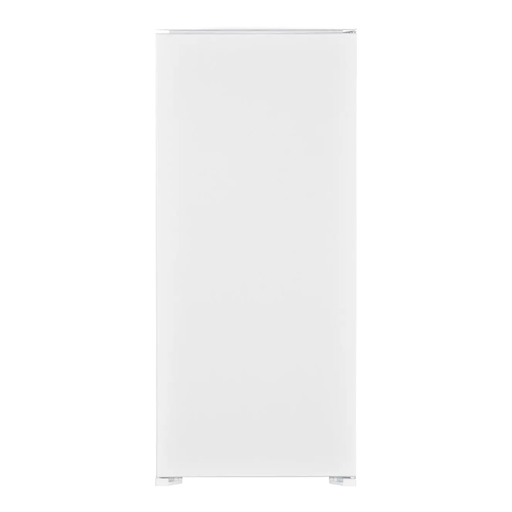 No image available
A good fit if you’re looking for an integrated fridge with a salad drawer; check the installation dimensions and whether the drawer offers enough space for your needs.
The product name lists a width of 54 cm, a white finish and energy class E.
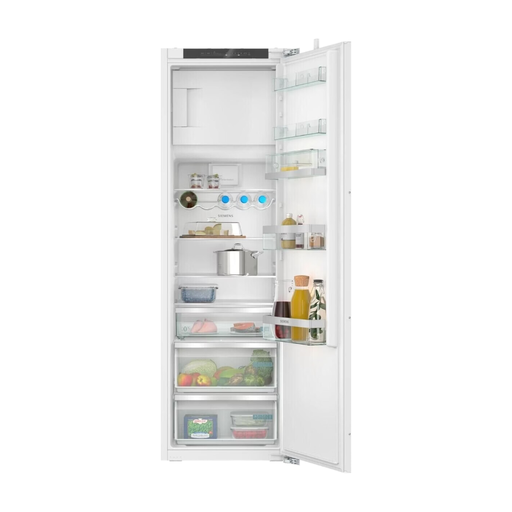 No image available
Consider this model if an integrated fridge with a separate freshness drawer suits your kitchen; check the exact installation dimensions and drawer layout.
The product name lists a height of 80 cm and a fixed hinge.
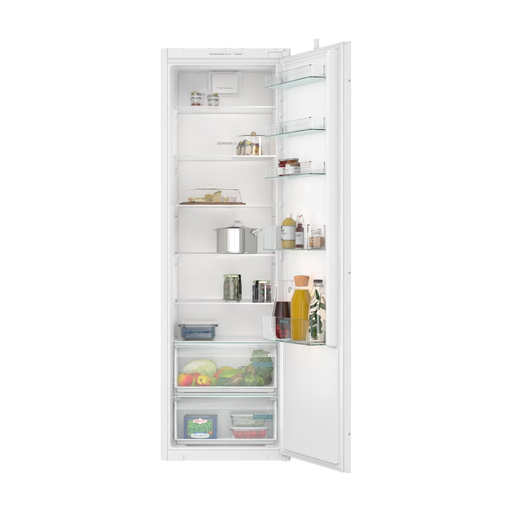 No image available
A good fit if you’re looking for an integrated fridge with a salad drawer; check the installation dimensions before choosing a model.
The product name lists a height of 80 cm.
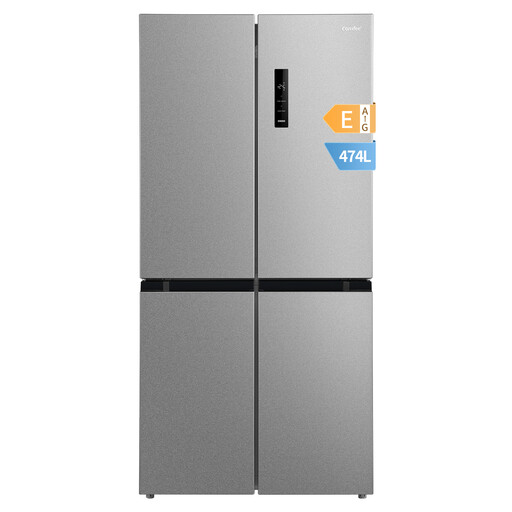 No image available
Consider this model if you’re looking for fridge and freezer space in one appliance and its drawer settings suit the way you store food.
The product name lists a salad drawer with three temperature settings and energy class E.
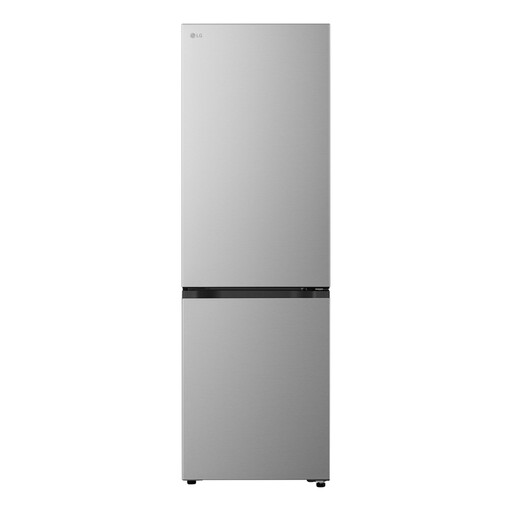 No image available
A good fit if you want fridge and freezer space in one appliance and are comparing models with a separate vegetable zone; check the layout of the exact model.
The product name lists a capacity of 375 L.
Store vegetables in the salad drawer and set your fridge to 4 °C, as the Voedingscentrum recommends. Once you’ve set the temperature, check it with a fridge thermometer.
The Voedingscentrum recommends keeping opened raw iceberg lettuce in the fridge for 2–5 days, and opened mixed raw salad without dressing for 2 days. Advice therefore varies by type; check the condition of the lettuce too.
The Voedingscentrum recommends washing raw vegetables thoroughly under running water before eating. According to the Voedingscentrum, pre-washed bagged salad doesn’t need washing again; check the packaging.
If your fridge breaks down sooner than you could reasonably expect with normal use, ACM ConsuWijzer says the seller is responsible for providing an appropriate solution free of charge under the statutory guarantee.
For fridges covered by EU energy labelling rules, the energy label must also be clearly displayed online. When buying remotely from a professional seller, you generally have a 14-day cooling-off period; the Dutch government recommends checking the terms and any exceptions that apply to your specific purchase.