
Leftover herbs after class
You want to put small leftovers away quickly and first check whether your current fridge is up to the job. The Voedingscentrum recommends storing fresh herbs wrapped in something damp at the bottom of the fridge.


If you already have a fridge that you can set to 4 °C and has space at the bottom, try storing your herbs wrapped in something damp first; according to the Voedingscentrum, fresh herbs keep for a few days in the fridge. If you do need to buy a fridge, start by choosing one that fits your available space and storage needs, and only opt for a freezer compartment if you want to freeze leftover herbs. A freshness drawer alone is no guarantee that herbs will keep for longer.
You want to put small leftovers away quickly and first check whether your current fridge is up to the job. The Voedingscentrum recommends storing fresh herbs wrapped in something damp at the bottom of the fridge.
You need a new fridge, but the floor or cupboard space available will determine what size fits. Milieu Centraal points out that an oversized fridge can use electricity unnecessarily.
You can’t use everything within a few days and want to weigh up chilled storage against freezing. The Voedingscentrum lists freezing as an option for certain herbs.
First check whether your current fridge can store herbs properly. If you need a different fridge, compare the available space, annual energy use, and fridge and freezer capacities separately.
| What to consider | What should you check? | Who should pay particular attention? |
|---|---|---|
| Storing herbs | Is there room at the bottom for herbs wrapped in something damp? Can you set the fridge to 4 °C and check the temperature? | If I want to put small leftovers away quickly after class, I’d rather start with my current fridge. Around 36% of consumers prioritise storing herbs properly. |
| Right size | Measure the space where the fridge will go and check the external dimensions and usable fridge capacity of the exact model. | In a small kitchen, I want the fridge to fit while leaving enough room for everyday shopping. Around 29% of consumers put finding the right size first. |
| Energy use | Compare the EU energy label and the stated annual consumption in kWh for models that suit your space requirements. | As a fridge is always switched on, I want to factor in its annual energy use and consider whether I’m replacing or adding an appliance. Around 21% of consumers focus mainly on energy use. |
| Freezing | Check whether you already have freezer space and how much capacity is available separately for chilling and freezing in a fridge-freezer. | If I regularly have herbs left over for later, I want to know whether I can freeze them and how much fridge space will remain. Around 14% of consumers prioritise freezing. |
For small amounts of leftover herbs, how you store them may matter more than having extra fridge space. Milieu Centraal advises against leaving a second fridge running all the time.
First check whether there’s room at the bottom of your current fridge and whether it can be kept at 4 °C.
An additional appliance that is always switched on will use more electricity; the impact depends on the model and how it is used.
The total capacity of a fridge-freezer doesn’t tell you how much room there is for herbs and other chilled products.
Check the stated fridge and freezer capacities separately before choosing a model.
A freshness drawer is a storage feature; claims about fresh produce don’t prove how long herbs from your particular situation will keep.
Choose a drawer based on its usable layout and accessibility, check the temperature, and follow the storage advice for herbs.
Offers compact models with and without a freezer compartment, for anyone who needs to make the most of their available space and wants the option of freezing leftovers.
The freestanding KSV33VLEP, which has no freezer compartment, may be worth considering if you’re looking for more fridge space and a freshness drawer.
The RBa 30 425i has BioFresh storage space and may be a good choice if you need room for several types of fresh produce.
The freestanding B7RMLNE445ZXP has a freshness feature and is designed for households with greater refrigeration needs.
This selection focuses on compact tabletop and worktop models for keeping leftover herbs chilled, with a range of layouts. Check whether each model has a freezer compartment and how much fridge space is available.
 No image available
A compact fridge without a freezer compartment, with a salad drawer at the bottom for chilled food.
Net capacity: 88 litres.
Energy class E.
Mechanical temperature control.
No freezer compartment.
 No image available
A compact model for anyone who wants a separate freezer compartment as well as space for chilled food.
Fridge capacity: 107 litres.
Freezer capacity: 13 litres.
Energy class C.
Dial temperature control.
 No image available
A compact fridge with a salad drawer for chilled leftovers and other fresh shopping.
Capacity: 129 litres.
Width: 54 cm.
Two glass shelves and a salad drawer.
Mechanical temperature control.
Energy class E.
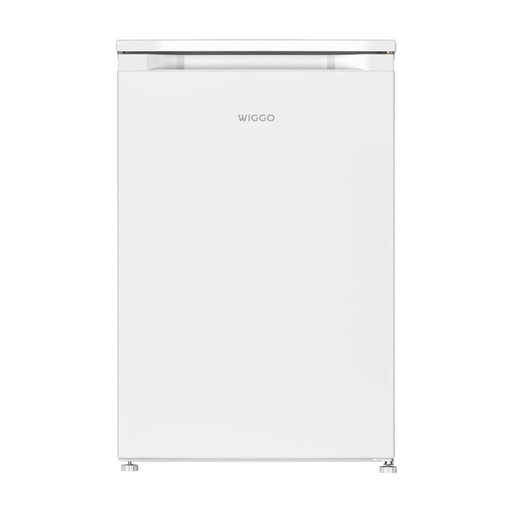 No image available
A compact fridge with a salad drawer and mechanical temperature control.
Capacity: 107 litres.
Energy class D.
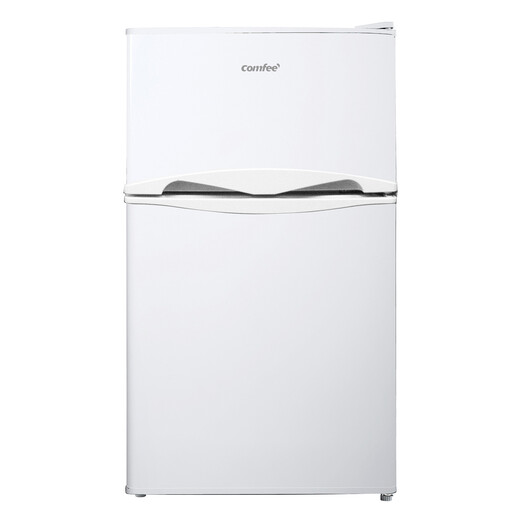 No image available
A worktop model with an adjustable thermostat and flexible storage layout.
Energy class E.
Removable glass shelves.
Reversible door.
Interior light.
Wrap the leftovers in damp kitchen paper or a damp cloth and store them at the bottom of the fridge. The Voedingscentrum recommends a fridge temperature of 4 °C; check it with a fridge thermometer if needed. Wash fresh herbs under running water, especially if you’re eating them raw.
A freezer compartment can be useful if you regularly have herbs left over for later and don’t have another freezer. The Voedingscentrum lists parsley, mint and chives among the herbs you can freeze; their quality may change after defrosting. Check how much fridge space will be left alongside the freezer compartment.
Measure the available space and the dimensions of the exact model beforehand. Once the fridge is set up, set it to 4 °C. The Voedingscentrum recommends leaving a thermometer in the fridge for half a day or overnight to check the temperature; also follow the instructions for installing your chosen model.
For models that suit your space requirements, compare their annual energy consumption in kWh on the EU energy label. The European Commission describes the label for household fridges and freezers as a scale from A to G. You’ll also need your own electricity tariff to estimate your personal costs.
For a faulty product, the Dutch government says you should contact the retailer. They must provide a solution and cannot simply refer you to the manufacturer. An optional extended warranty is only worthwhile if its terms offer more than your statutory rights.