Who is this buying guide for?

Host with a full fridge

You want to store berries and the rest of the evening meal neatly and separately. Milieu Centraal recommends thinking about how much space you need in advance, while the Consumers’ Association points out that the stated capacity doesn’t always match the space you can actually use.

Cook with limited kitchen space

You’re looking for a fridge that fits the space available, without taking up more cooling or freezer capacity than you use day to day. Measure the space where it will stand and compare it with the model’s external dimensions.

Buyer comparing energy use

If you’ll be using the fridge every day for a long time, you’ll want to consider its stated annual energy consumption as well as its size. Milieu Centraal identifies annual consumption in kWh as a useful comparison point on the energy label.

What should you look for when choosing?

Keep using your current fridge

A good fit when: there’s room for the berries and the rest of the meal, and a thermometer reads around 4 °C after half a day or overnight.

Consider: the temperature setting alone doesn’t confirm how cold it actually is inside the fridge.

Compact fridge without a freezer compartment

A good fit when: you have limited kitchen space and don’t need extra freezer capacity.

Consider: check that the rest of the meal will also fit on the shelves and in the drawer. A compact model won’t necessarily have the lowest annual energy consumption.

Large fridge without a freezer compartment

A good fit when: you regularly store larger amounts of chilled food or several dishes, and don’t need a freezer compartment.

Consider: you’ll need enough room in the kitchen for the extra fridge space. Also compare energy consumption in kWh per year.

Fridge-freezer

A good fit when: you’ll make use of the freezer space as well as the fridge space.

Consider: some of the total capacity is taken up by the freezer, so it won’t be available for fresh berries. Compare the fridge compartment and external dimensions of the exact model.

What to consider What to look for Who is this most relevant to?
Verifiable cooling temperature Choose a model with an adjustable temperature and check the actual temperature using a fridge thermometer on the bottom shelf. If I want to know whether the fridge is cold enough for my shopping, I check what a thermometer reads. Around 36% of consumers give verifiable cooling their top priority.
A dry, accessible place for berries Check that the packs will fit within easy reach in a drawer or on a shelf, and follow the storage advice for the type of berry. When I want to keep different types of berries for dinner neatly organised, I look for a dry place where the packs are easy to reach. Around 29% of consumers put this storage requirement first.
The right fridge capacity and external dimensions Measure the space where it will stand and the doorway; compare the fridge capacity and layout with the dishes and shopping you usually store. If I want to fit in both dinner and my everyday shopping, I consider the usable space as well as whether the appliance will fit in my kitchen. Around 21% of consumers give space and fit their top priority.
Energy consumption For models of a suitable size with the same function, compare both the energy rating and consumption in kWh per year. When replacing a fridge for everyday use, I want to be able to take its stated annual consumption into account. Around 14% of consumers put energy consumption first.

Which mistakes can you avoid?

  • Assuming a freshness feature guarantees berries will stay fresh

    A drawer’s name doesn’t prove that every type of berry will keep for longer without suitable packaging. The Netherlands Nutrition Centre gives specific storage advice for each type.

    Check the actual fridge temperature and follow the advice for the berries you’re serving.

  • Confusing total capacity with space for your meal

    With a fridge-freezer, some of the total capacity is taken up by the freezer. The stated capacity may also differ from the space you can actually use on the shelves and in the drawers.

    Measure your kitchen and compare the fridge compartment, layout and external dimensions with the packs and dishes you usually store.

  • Looking only at the energy rating

    The energy rating and stated annual consumption tell you different things. A comparison is most useful between models of a suitable size with the same function.

    Check both the rating and the consumption in kWh per year on the label of each specific model.

Brands to consider as a benchmark

Inventum

The KK600 is a table-top model, while the KK1850W is a larger model without a freezer compartment. These models offer a useful comparison of size and drawer layout.

  • Inventum lists one removable vegetable drawer and a capacity of 158 litres for the KK600; for the KK1850W, the manufacturer lists two vegetable drawers and a capacity of 362 litres.
  • These specifications don’t tell you which model will keep berries fresh for longer.

Bosch

The KSV33VLEP is a freestanding fridge without a freezer compartment, with a VitaFresh drawer.

  • Bosch lists a fridge capacity of 324 litres, a retractable shelf and SuperCooling.
  • The claim that food stays fresh for longer in VitaFresh comes from the manufacturer. Compare the dimensions and layout with what you want to store.

Samsung

The RB34C600CSA/EF is a fridge-freezer for anyone who wants a freezer compartment as well as fridge space.

  • Samsung lists a total capacity of 344 litres and energy class C for this model.
  • The total capacity isn’t the same as the fridge space available for fresh berries, so check the layout of the exact model.

Liebherr

The CNsfc 573i is a tall fridge-freezer with EasyFresh storage.

  • Liebherr lists a total capacity of 359 litres and external dimensions of 201,5 × 59,7 × 67,5 cm.
  • The EasyFresh description is no substitute for storage advice for individual types of berry.

Beko

The B7RMLNE445ZXP is a freestanding fridge without a freezer compartment.

  • Beko lists 365 litres of fridge space, external dimensions of 186,5 × 59,7 × 70,9 cm and energy class D.
  • Claims about EverFresh+ and HarvestFresh come from the manufacturer; they aren’t an independent comparison of berry quality.

Joybuy fridge-freezers

The Joybuy products below are fridge-freezers. They may suit you if you need freezer space as well as room for berries and other chilled food. For each model, compare how much space is actually available for refrigeration.
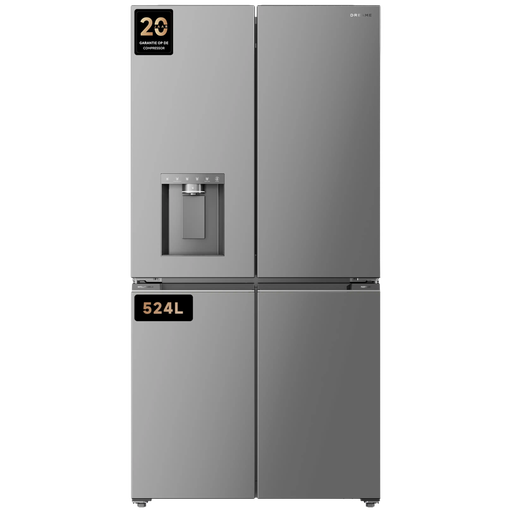
Dreame FizzFreshCube 90 DRC560WMXEEUP, 524 L, energy class E

Dreame FizzFreshCube 90 DRC560WMXEEUP, 524 L, energy class E

Suitable if you want a separate freezer compartment and a zone for fruit and vegetables as well as fridge space.

308 litres of fridge space; 524 litres total capacity; FreshFlex zone that can be set for fruit and vegetables according to the product description; energy class E.

View at Joybuy
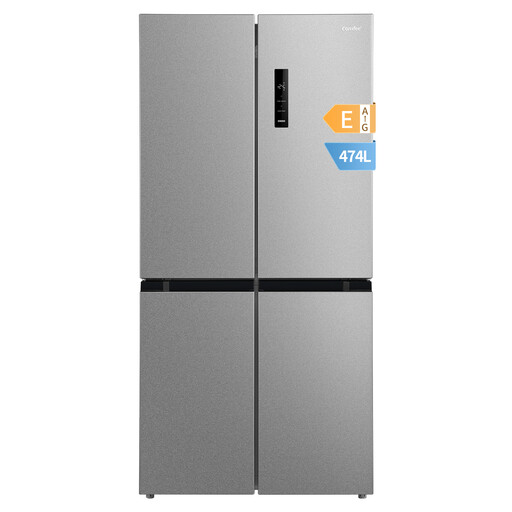
COMFEE' RCF470LS2EU(E), 474 L, energy class E

COMFEE' RCF470LS2EU(E), 474 L, energy class E

Suitable if you want a separate vegetable drawer with several temperature settings alongside freezer space.

474 litres total capacity; vegetable drawer with three temperature settings according to the product description; energy class E.

View at Joybuy
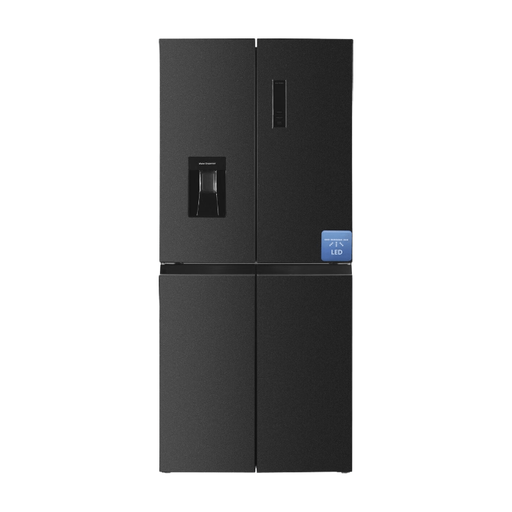
Frilec BONN-MD458-WS-040DDI fridge-freezer

Frilec BONN-MD458-WS-040DDI

Suitable if you want to store berries and other chilled food separately from frozen food.

269 litres of fridge space and 150 litres of freezer space; dimensions of 180 × 79 × 70 cm; two vegetable drawers according to the product description.

View at Joybuy
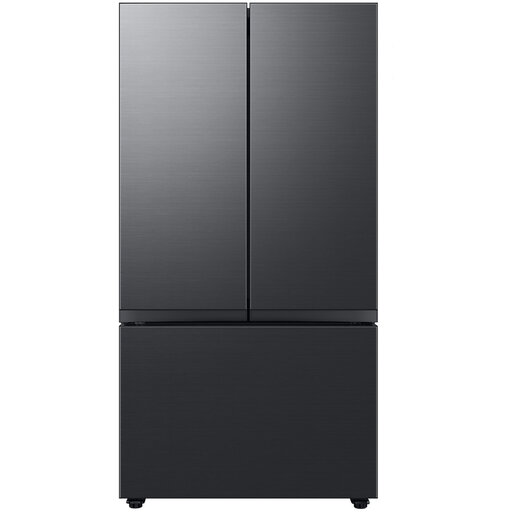
Samsung RF24BB620EB1EF, 674 L, French doors

Samsung RF24BB620EB1EF, 674 L, French doors

Suitable if you need plenty of fridge space alongside a separate freezer compartment and want to organise your shopping across different compartments.

487 litres of fridge space and 187 litres of freezer space; stated energy consumption of 338 kWh; dimensions of 177,8 × 90,8 × 73 cm.

View at Joybuy
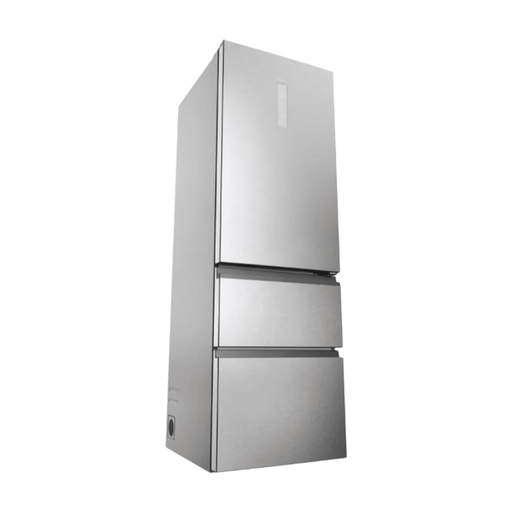
Haier HTW5618CNMG, 360 L, No Frost

Haier HTW5618CNMG, 360 L, No Frost

Suitable if you want to store chilled and frozen food together and organise different products across drawers and zones.

360 litres total capacity; special zones for temperature and/or humidity control according to the product description; dimensions of 185 × 59,5 × 66,7 cm; stated energy consumption of 173 kWh.

View at Joybuy

Frequently asked questions

How can you check whether your current fridge is cold enough?

Set the fridge to 4 °C, as recommended by the Netherlands Nutrition Centre. Place a fridge thermometer in the middle of the bottom shelf and leave it there for half a day or overnight. Adjust the fridge if the reading is too high.

Can you package all berries in the same way?

No. The Netherlands Nutrition Centre recommends storing strawberries with their green tops in a sealed container in the vegetable drawer. For blueberries, it recommends a paper bag in the fridge, and for raspberries, their original packaging or a paper bag. Don’t let the berries get damp while they’re being stored.

Should you wash berries before eating them?

Yes. The Netherlands Nutrition Centre recommends washing fruit and vegetables under running water before eating. This is separate from the storage advice to keep berries dry while they’re being stored.

What does the energy label tell you about a new fridge?

Since 1 March 2021, household fridges have used the A–G label, according to the European Commission. The label gives information including the energy class, energy consumption, capacities and whether the appliance has a freezer compartment. It doesn’t prescribe a particular class for buyers.

Can you hand in your old fridge when buying a new one?

Yes. According to the Dutch Government, in the Netherlands private customers can use the old-for-new scheme when buying a similar appliance, including online. The retailer cannot charge you to take it back. Agree in advance how the handover will work when your new fridge is delivered.
