
A permanent fridge in the holiday cottage
You want to keep yoghurt and other shopping chilled in one place, and have room for a fridge and a suitable mains connection.


If the appliance will stay in the holiday cottage and there’s a mains socket, choose a fridge that fits and use a thermometer to check that it’s at 4 °C. If you want to take the cooling with you in the car, compare portable models by their connections and cooling technology. A thermoelectric cool box cools by a specified number of degrees below the ambient temperature, so it won’t always reach 4 °C. If the cottage is unheated, also check the specific model’s permitted ambient temperature range.
You want to keep yoghurt and other shopping chilled in one place, and have room for a fridge and a suitable mains connection.
You need to consider the space available and the ambient temperature the appliance must operate in, including outside the holiday season.
You want to be able to move one appliance between locations. The connections and cooling technology available for each connection will help determine which cool box is right for you.
First decide whether the appliance will stay in one place or needs to travel in the car. Then check the temperature, the space available and the connection you’ll need while using it.
Choose this if: the fridge will stay in the cottage and you want to chill other shopping as well as yoghurt.
Bear in mind: the space available and the model’s ambient temperature range.
Choose this if: you want to use the same cool box on the move and in the cottage, and the model has the vehicle and mains connections you need.
Bear in mind: the capacity, weight and cables supplied with the specific model.
Choose this if: measurements in the conditions you expect confirm that it will keep the yoghurt cold enough.
Bear in mind: cooling depends on the difference between the ambient temperature and the temperature inside the box.
Choose this if: you’ve checked which cooling technology is used with each connection.
Bear in mind: how it performs on mains power doesn’t automatically tell you how it will work with a vehicle connection.
| What to consider | What to look for | Who this matters to |
|---|---|---|
| Storage temperature | Set the fridge to 4 °C and check the temperature with a thermometer. The Netherlands Nutrition Centre recommends 4 °C. | When I’m storing fresh yoghurt, I want to know how cold it actually is where the food is kept. Around 36% of consumers say storage temperature is their top priority. |
| Dimensions and fridge space | Measure the space and doorway; compare the external dimensions, layout and usable fridge space. | When space is limited, I want to be sure the fridge will fit and has enough room for yoghurt and other shopping. Around 29% of consumers focus mainly on fit and fridge space. |
| Transport and power | Compare capacity, weight, cables supplied and the cooling technology used with each connection. | When the appliance needs to travel between the car and the cottage, I want to know whether it can be used in both places. Around 21% of consumers prioritise mobile use. |
| Energy use and noise | For models covered by energy labelling rules, check the energy label and energy information. Also check the stated noise level. | If the appliance will be on for long periods or near a sleeping area, I want to consider energy use and noise once I’ve checked that it provides the cooling I need. Around 14% of consumers say these factors are their top priority. |
The stated cooling performance of a thermoelectric model depends on the ambient temperature. Tristar specifies that the KB-7630 cools to a maximum of 18 °C below the ambient temperature. At an ambient temperature of 25 °C, that works out at 7 °C based on the specification; this is a calculation, not a real-world test.
Compare the stated temperature reduction with the ambient temperature you expect, and measure the temperature inside the box while it’s in use.
Dometic says the CK2 45 Hybrid uses compressor cooling on 230 V and thermoelectric cooling on 12 V. Its performance can therefore vary depending on the connection.
Check the cooling technology for each connection you plan to use, especially if the yoghurt will stay in the box during the car journey.
The stated capacity doesn’t represent the full amount of usable storage space. In an unheated cottage, it’s also important to check whether the permitted ambient temperature range suits the location.
Check the external dimensions, layout, clearance needed for installation and the temperature specifications for the intended location.
The KK471W we looked at is a slim, freestanding table-top model for a permanent spot.
The KTR15NWEB we looked at is a freestanding table-top model with no freezer compartment.
The models we looked at include portable cooling solutions with different technologies and connections.
The KB-7630 we looked at is a portable thermoelectric cool box with 12 V and 230 V connections.
These product picks are table-top and compact fridges for keeping food chilled in a holiday cottage or small space.
 Image unavailable
An option for keeping food chilled in a permanent spot in a holiday cottage. The product information lists adjustable shelves and door compartments for flexible storage.
88-litre capacity; adjustable glass shelves; three door compartments; mechanical temperature control; energy label E.
 Image unavailable
A fridge for a permanent spot with a separate freezer compartment. Check that the layout suits the fridge space you need for yoghurt and other shopping.
95 litres of fridge space within a stated total capacity of 109 litres; glass shelves, crisper drawer and three door compartments; rotary temperature control; energy label C.
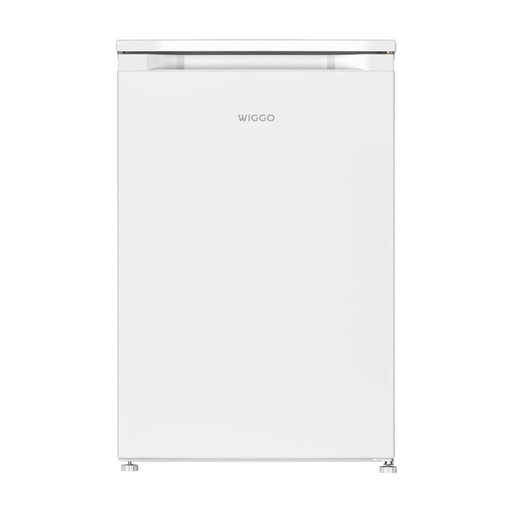 Image unavailable
An option for keeping food chilled in a small space. Measure the area first and compare the stated dimensions with the space available.
107-litre net capacity; dimensions 54,90 × 54,90 × 84,50 cm; glass shelf, crisper drawer, door compartments and reversible door.
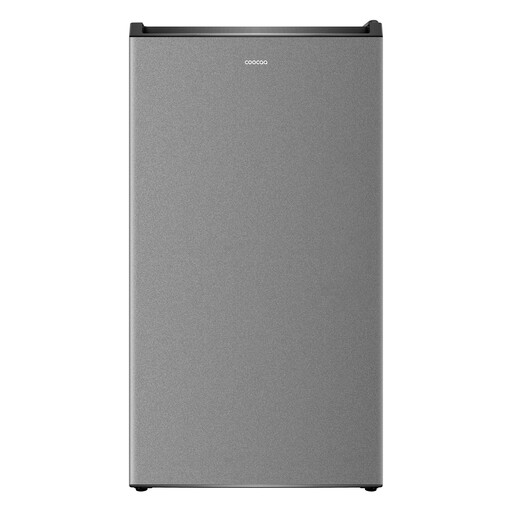 Image unavailable
A compact fridge for a permanent spot. Check that its climate class is suitable for the temperature where the appliance will be installed.
83 litres of usable fridge space; climate class SN/N/ST; adjustable feet, crisper drawer and door compartments; energy label E.
 Image unavailable
A compact fridge for a permanent spot. The adjustable shelves and crisper drawer provide flexible storage for everyday shopping.
92-litre fridge capacity; 47 cm wide; mechanical temperature control with seven settings; adjustable glass shelves, crisper drawer and separate chill drawer; energy label E.
Set the fridge to 4 °C and check the temperature with a fridge thermometer. The Netherlands Nutrition Centre recommends 4 °C. Place the thermometer in the middle of the bottom shelf, leave it there for half a day or overnight, and adjust the setting if the reading is higher.
The Netherlands Nutrition Centre says opened full-fat yoghurt keeps for 5–7 days in the fridge. For an unopened pack, follow the storage advice and date on the packaging. This specific advice doesn’t necessarily apply to every type of yoghurt.
It depends on the model and the ambient temperature. Check the climate class and permitted temperature with the manufacturer. The Consumers’ Association points out that some appliances may work less effectively at low ambient temperatures.
No, not without checking the temperature. Tristar states that the KB-7630 cools to a maximum of 18 °C below the ambient temperature. Measure the temperature in the conditions you plan to use the box in to check whether it really keeps the yoghurt cold enough.
For models covered by the rules, compare the energy label and stated energy information. Work out your own costs based on how long you’ll use the fridge and your electricity tariff. Also check the stated noise level if the fridge will be near a living or sleeping area.