
Cookery workshop host with a small kitchen
You need to store a few cooled portions and are looking for an extra fridge that fits, without losing valuable fridge space to a freezer compartment.


Start by checking the usable space for your sealed portions, then make sure the fridge will fit at the workshop venue and can maintain the storage temperature you need. A compact model may be enough for a few cooled portions; if you have lots of containers or need a fridge for intensive professional use, a larger model or commercial fridge may be a better fit. No ordinary fridge can replace a suitable method for cooling hot food. The Voedingscentrum recommends storing chilled food at 4 °C, and food businesses must follow the applicable NVWA rules.
You need to store a few cooled portions and are looking for an extra fridge that fits, without losing valuable fridge space to a freezer compartment.
You want to store several sealed containers at once and keep them organised, so usable fridge space and layout are important.
You regularly prepare food as part of a food business and need to follow the applicable procedures for storage, cooling and hygiene.
| What to consider | What to look for | Who is this important for? |
|---|---|---|
| Cooling and storage | Check that you can monitor the storage temperature. The Voedingscentrum recommends 4 °C at home; food businesses must follow the applicable HACCP procedures and NVWA requirements. | If I want to store prepared food safely, I need to treat cooling as a separate step from ordinary fridge storage. Around 31% of consumers put safe cooling and storage first. |
| Usable space for containers | Measure your containers and compare their height and footprint with the shelves. Check the fridge and freezer space separately. | If I need to fit several sealed containers in at once, the usable layout matters more than the stated capacity in litres. Around 25% of consumers give container space the highest priority. |
| Fit and positioning | Measure the width, height and depth, and check that there is room for the door to open and for ventilation. For a built-in model, check the cabinet space and door system too. | In a small kitchen, I want to know in advance whether the fridge will fit and whether the door can open properly. Around 19% of consumers put the right fit first. |
| Freezer space | Decide whether you want to freeze portions and how much fridge space will be left. Check what the specific freezer compartment can do. | If I want to keep portions for longer than chilled storage allows, freezing is a separate consideration from the space I need for workshop containers. Around 13% of consumers give freezing the highest priority. |
| Energy and maintenance | Compare the stated annual energy consumption in kWh for appliances of a suitable size. Also check whether the shelves and door seals are easy to clean. | If the fridge will keep running between workshops, I want to consider energy use and cleaning too. Around 12% of consumers put running costs and maintenance at the top of their list. |
The stated capacity does not tell you exactly how much usable space is left once shelves and drawers are taken into account. The Consumentenbond points out that the usable space can differ from the manufacturer's stated figure.
Measure your containers and compare their dimensions with the interior layout of the exact model.
A fridge function that temporarily cools more powerfully does not prove that a hot quantity of food will cool in line with the applicable cooling procedure.
Plan the cooling step separately and, if you are using the fridge for a food business, follow the applicable requirements for food temperatures.
A freezer compartment takes up space that could otherwise be used for chilled workshop portions.
Choose this configuration only if you need the freezer space and the remaining fridge space is enough for your containers.
A built-in fridge needs a suitable cabinet space and the right door construction. The Inventum product page for the KK471W also lists two different widths.
Before ordering, confirm the exact appliance and cabinet dimensions, the door clearance and the ventilation space required.
The KK471W and KV471W show the difference between a compact freestanding model without a freezer compartment and one with a freezer compartment.
The FRFBvg 5501 is an example of a commercial fridge for larger quantities and more intensive use.
The KSN36VWCG is a large freestanding fridge with no freezer compartment, and a useful reference point if you have lots of chilled portions.
The KKS5102 is a built-in option for a workshop kitchen with a suitable cabinet space and a compatible sliding door system.
The LS9052WN is a compact freestanding fridge that offers a useful reference point for smaller quantities of chilled portions.
These Joybuy products include options for chilled workshop portions, from compact fridges to built-in models. If you choose a built-in model, always check that the cabinet space and door fitting are right for your kitchen.
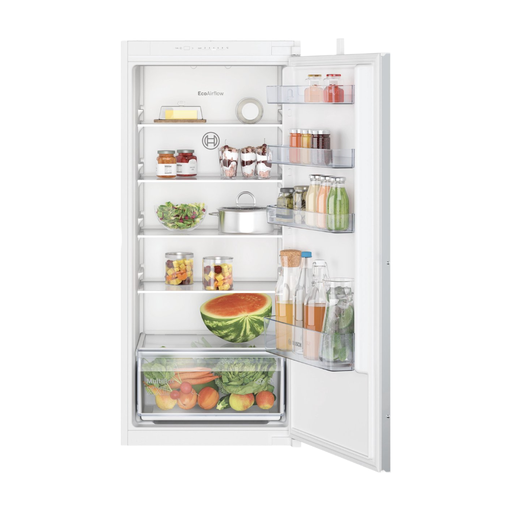 Image unavailable
An option for chilled workshop portions if your kitchen has a suitable built-in cabinet space and sliding door.
204 litres of fridge space; no freezer compartment. The description mentions a thermostat and manual defrosting.
 Image unavailable
A compact option for chilled portions, provided the cabinet and layout suit your kitchen.
The description lists a capacity of 90 litres, three adjustable shelves and a fridge temperature range of 0–10 °C. Check that the temperature setting suits the storage temperature you need.
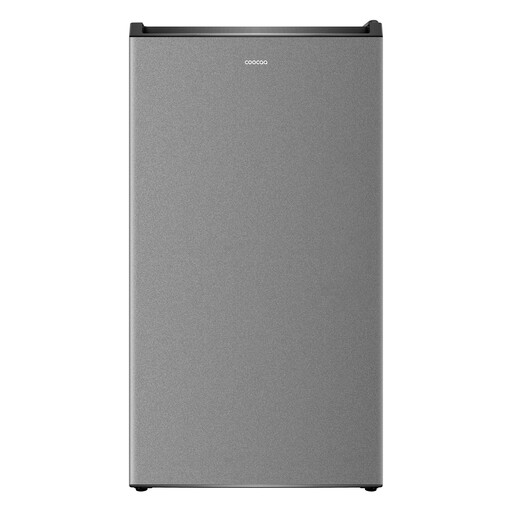 Image unavailable
A compact model for chilled portions, with no freezer compartment taking up any of the stated fridge space.
83 litres of fridge capacity, with no freezer compartment. The description mentions adjustable shelves and temperature control.
 Image unavailable
A compact option if a width of 47 cm suits the space you have available.
92 litres of capacity. The description lists seven temperature settings, adjustable glass shelves and a crisper drawer.
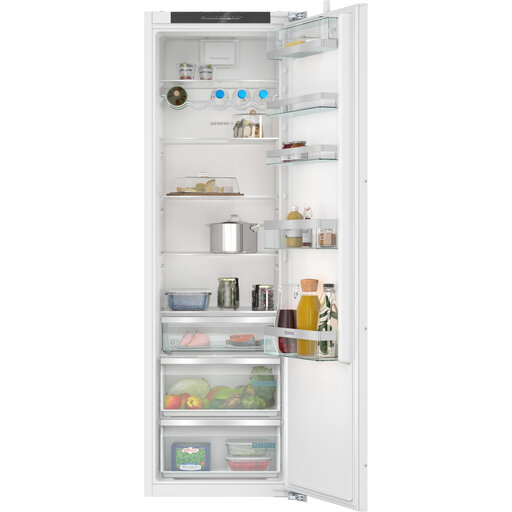 Image unavailable
A built-in option for several chilled portions, if the cabinet space and fitting are right for your kitchen.
310 litres of net capacity and seven shelves. The description mentions digital temperature control, two crisper drawers and a door-on-door system.
The Voedingscentrum recommends keeping cooked vegetables in the fridge for no more than 2 days. Cool leftovers quickly, seal them well and do not leave them out of the fridge for more than 2 hours.
Do not assume an ordinary fridge can quickly cool a large quantity of hot food. The Voedingscentrum recommends cooling leftovers quickly, for example by placing the pan in cold water and stirring, then storing them covered at 4 °C. Food businesses must also meet requirements for controlled cooling.
If you prepare, process or sell food as a food business, the NVWA requires you to work in line with an HACCP food safety plan or the applicable hygiene code. For unpackaged perishable food, the NVWA specifies storage at 7 °C or below. According to the guidance cited, cooked dishes that are not served straight away must be cooled to below 7 °C within 5 hours. Whether these business requirements apply to your workshop depends on your specific circumstances.
Compare the stated annual energy consumption in kWh for appliances that offer the fridge space you need. The European Commission provides separate label information for household fridges and professional storage cabinets, so do not assume their energy ratings use the same scale.
Follow the maintenance instructions for the model you choose, and clean the removable shelves and door seal too. The Consumentenbond specifically mentions these parts in its advice on cleaning a fridge. For a food business, this does not replace the required hygiene policy.