
Students storing perishable desserts
You might store cream cakes, for example, and want to be able to check the temperature and put packaging back in the fridge promptly after use.


A table-top fridge without a freezer compartment is a sensible choice if you mainly store chilled desserts and don’t need freezer space. Choose a model with a freezer compartment if you’ll make good use of it. First, check that your dessert packaging will fit, then compare the external dimensions, annual energy consumption and stated noise level. The Netherlands Nutrition Centre recommends setting your fridge to 4 °C; check the temperature with a thermometer once the appliance is in place.
You might store cream cakes, for example, and want to be able to check the temperature and put packaging back in the fridge promptly after use.
You’re looking for a freestanding table-top model and weighing up its external dimensions, the space needed to open the door and the shelf spacing against the capacity you need.
You’re comparing the stated annual energy consumption and purchase price with the option of using an existing shared fridge.
For chilled desserts, the Netherlands Nutrition Centre recommends setting your fridge to 4 °C. Also follow the storage advice on the packaging and check the temperature inside the appliance once it’s in place.
| What to consider | What to look for | Who is this important for? |
|---|---|---|
| Temperature for desserts | Follow the label and check the temperature with a fridge thermometer once the appliance is in place. | If you store perishable desserts, you’ll want to know how cold it actually is. Around 28% of consumers prioritise reliable cooling. |
| Dimensions and usable space | Measure the space and your largest package; check that it fits between the shelves. | If your kitchen is short on space, the appliance needs to fit and hold your dessert boxes. Around 22% of consumers prioritise external dimensions and usable fridge space. |
| Freezer compartment and purchase choice | Decide whether you need a freezer compartment and compare the fridge and freezer capacities separately. | If you don’t have another freezer, freezer space could be useful; if you only store chilled desserts, it could take up valuable fridge space. Around 22% of consumers focus mainly on purchase costs and the features they need. |
| Annual energy consumption | Compare the kWh per year shown on the energy label of models that fit your space. | If you’re considering ongoing running costs, you’ll want to compare annual energy consumption. Around 17% of consumers put energy consumption first. |
| Noise near your living space | Compare the stated dB values for the exact models and think about where the fridge will go. | If the appliance is near where you study or sleep, noise may affect your choice. Around 11% of consumers prioritise noise in or near their living space. |
With a model that has a freezer compartment, not all the stated capacity is available for chilled desserts. Drawers and shelves also take up space; the Dutch Consumers’ Association points out that stated capacity is measured without drawers, shelves and racks.
Compare the fridge and freezer capacities separately, and check that your largest dessert package fits between the shelves.
A dial setting doesn’t measure the temperature on a shelf. The Netherlands Nutrition Centre recommends setting your fridge to 4 °C.
Check the temperature with a thermometer once the appliance is in place and adjust it if necessary. Also follow the storage advice on the packaging.
The purchase price doesn’t tell you how much electricity a fridge uses each year. Milieu Centraal recommends checking the kWh per year on the energy label.
Compare energy consumption across models with enough space for your needs. Only estimate electricity costs using the rate that applies to you.
Energy ratings E and F are listed for the Salora 47CFT80BL: Salora gives both values on its product page, while the Joybuy listing gives F.
Don’t use this model for a definitive comparison of energy ratings until you’ve checked the label on the version being sold.
Inventum makes table-top models with and without a freezer compartment.
The TLT5501W has no freezer compartment, while the TRT5501W does, so you can compare the feature trade-off across table-top models.
The TS190040N is a slim freestanding fridge with no freezer compartment.
The KTR15NWEB is a table-top fridge without a freezer compartment, for anyone looking for a larger stated fridge capacity.
According to Salora, the 47CFT80BL combines a slim table-top design with a fridge compartment and a freezer compartment.
This selection features table-top models without a freezer compartment, for anyone who wants to use the space mainly for chilled desserts and other fresh food.
 No image available
The stated capacity and adjustable shelves can help you arrange dessert packaging at different heights.
88 litres of fridge capacity; three adjustable glass shelves, a salad drawer and three door compartments. Dimensions: 48 × 45 × 85 cm. Mechanical temperature control.
 No image available
The stated fridge capacity of 129 litres gives you more room to organise several chilled packages.
129 litres of fridge capacity; two glass shelves, a salad drawer and two door compartments. The shelf layout is adjustable. Dimensions: 54 × 54 × 88 cm.
 No image available
Three adjustable shelves let you tailor the layout to packages of different heights.
90 litres of total capacity; stated cooling range of 0–10 °C and mechanical controls. Three adjustable shelves and a separate chiller box. Dimensions: 449 × 485 × 842 mm.
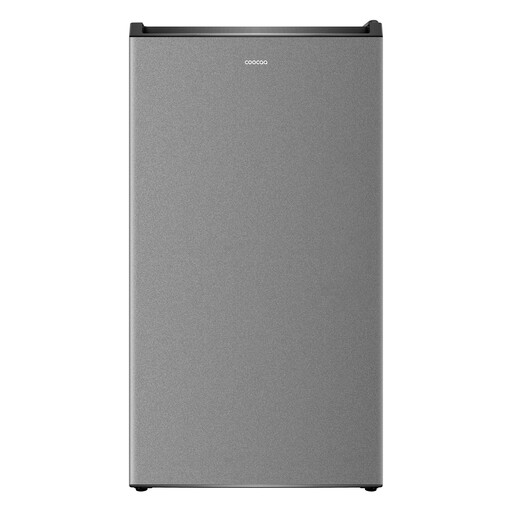 No image available
The stated capacity and layout may suit a smaller stock of chilled food; check that your dessert boxes will fit.
83 litres of fridge capacity; adjustable shelf, three door compartments and a salad drawer. The product description mentions temperature control.
 No image available
The product specifications recommend a setting of 4 °C for the fridge compartment; check the actual temperature once the appliance is in place.
92 litres of fridge capacity; seven temperature settings and adjustable glass shelves. Dimensions: 474 × 447 × 831 mm. Reversible door.
First, follow the dessert’s label. The Netherlands Nutrition Centre recommends setting your fridge to 4 °C and checking the temperature on the bottom shelf with a thermometer after it has been there for half a day or overnight. A dial setting alone doesn’t measure the temperature.
The Netherlands Nutrition Centre’s storage guide says an opened cream cake keeps for one day in the fridge. For sealed packaging, follow the storage advice and use-by date on the pack; don’t automatically apply this specific advice to every dessert.
Measure the available space and follow the installation instructions for your chosen model, including the clearance needed for the door and the specified ventilation. Once it’s in place, check the temperature and keep shelves and packaging clean.
Compare the stated kWh per year on the energy label for each model that fits your needs. Multiply this only by the electricity rate that applies to you; an energy rating on its own doesn’t tell you the cost in pounds.
Yes. The Dutch government describes the energy label for household appliances as a compulsory logo. The European EPREL database provides information about models that require an EU energy label; if model listings conflict, check the label on the version being sold.