
A separate place for a few portions
You want to keep a small number of covered cheese portions chilled after class and be able to check the temperature. The Voedingscentrum recommends a fridge temperature of 4 °C.


Choose a fridge with enough usable space for your covered cheese portions and any other shopping, and check with a fridge thermometer that the temperature stays around 4 °C. A model without a freezer compartment keeps all its stated capacity available as fridge space; a freezer compartment is only relevant if you also want to freeze food. The Voedingscentrum recommends putting chilled cheese back in the fridge as soon as possible after class and following the storage advice on the packaging.
You want to keep a small number of covered cheese portions chilled after class and be able to check the temperature. The Voedingscentrum recommends a fridge temperature of 4 °C.
You also use the fridge for everyday shopping, so usable shelf space and layout matter to you.
You’re considering putting the fridge in an unheated room. If so, it’s important to check that the climate class of the specific model is suitable for the ambient temperature.
Choose this if: you mainly store a few cheese portions and other chilled items, and don’t need freezer space.
Bear in mind: you can’t freeze anything in this appliance. Also check that your containers and the fridge will fit in the available space.
Choose this if: you store more portions or share the fridge with everyday shopping.
Bear in mind: measure the space first, then compare the layouts and external dimensions of the models.
Choose this if: you want to freeze food as well as chill cheese portions.
Bear in mind: the freezer compartment takes up space that would otherwise be available for chilled items. The Voedingscentrum says soft cream cheese is less suitable for freezing.
| What to consider | What to look for when buying | Who is this important for? |
|---|---|---|
| Keeping food chilled after class | Follow the storage advice for the cheese, set the fridge to around 4 °C and check the actual temperature with a thermometer. | I want to store covered portions quickly and at the right temperature after class. Around 36% of consumers put reliable cooling first. |
| Usable fridge space | Measure your containers and compare the shelves, fridge capacity and external dimensions of the exact models. | I store several portions, sometimes alongside shopping, and want my containers to fit in the fridge. Around 29% of consumers say having the right amount of fridge space is the deciding factor. |
| A suitable place to install it | Measure the space and doorway. Compare the stated dimensions and noise level; if the room is unheated, check the climate class and permitted ambient temperature. | I need to consider limited space, noise or a cold location for the appliance. Around 21% of consumers see where the appliance will go as their main consideration. |
| Energy use and freezer compartment | Compare the stated annual energy consumption in kWh and the separate fridge and freezer capacities on the EU energy label. | I want to factor in energy use and only give up fridge space for a freezer compartment if I’ll actually use it. Around 14% of consumers prioritise energy use or the need for a freezer compartment. |
A freezer compartment takes up space that could be used for chilled portions. The Voedingscentrum also says soft cream cheese is less suitable for freezing.
First decide whether you really want to freeze food as well as chill cheese portions, then compare fridge capacities.
A fridge may not work as well outside its suitable ambient temperature range. The Consumentenbond points out that not all models cope well with low ambient temperatures.
Before buying, check the climate class and permitted ambient temperature for the exact model.
The European Commission says the EU energy label provides information including annual energy consumption, storage volume and noise. The capacity in litres alone won’t tell you whether your containers will fit on the shelves.
Compare the stated annual energy consumption and measure your containers. Also check the shelf layout and external dimensions.
Tomado’s TLT4702B is an under-counter model without a freezer compartment, ideal if you’re looking for a separate place to store chilled items.
Inventum offers under-counter models with and without a freezer compartment, so you can weigh up how much fridge space you need and whether freezing would also be useful.
The Rc 1400 Pure is an under-counter model worth comparing if external dimensions and stated noise level are important buying criteria.
The KTR15NWEB is an under-counter model without a freezer compartment that you can include in a comparison of fridge space, dimensions and label information.
This selection includes under-counter fridges without a freezer compartment and models with a separate freezer compartment, for storing cheese portions with or without other shopping.
 No image available
A compact model without a freezer compartment for covered cheese portions and other chilled items.
88-litre capacity, three adjustable glass shelves, a salad drawer and manual temperature control. Energy rating E.
 No image available
An under-counter model for anyone who wants to keep cheese chilled and also make use of freezer space.
95 litres of fridge space and a separate 14-litre freezer compartment; the stated total capacity is 109 litres. Two glass shelves, a salad drawer, three door shelves and temperature control with a dial. Energy rating C.
 No image available
An under-counter model with fridge space and a separate freezer compartment for anyone who wants both functions.
107-litre fridge capacity and a 13-litre freezer compartment. Two glass shelves and three door shelves. Energy rating C.
 No image available
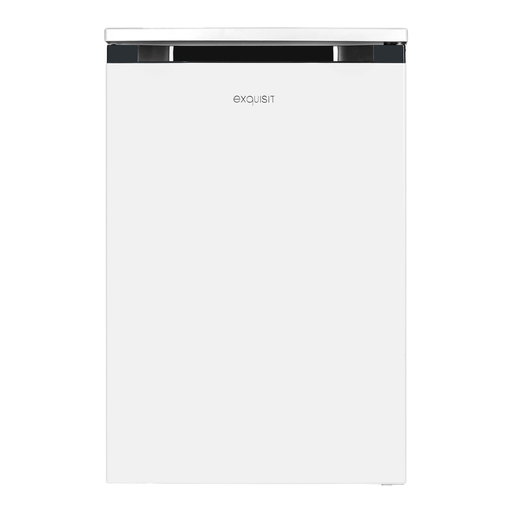
A larger under-counter model without a freezer compartment for portions stored alongside other chilled shopping.
129-litre capacity, two adjustable glass shelves, a salad drawer and two door shelves. Temperature control with a dial. Energy rating E.
 No image available
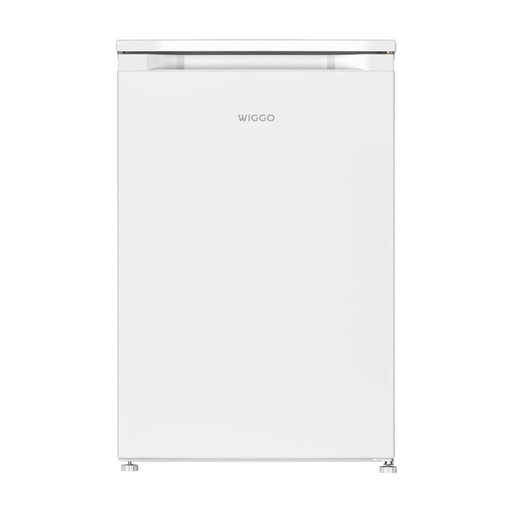
An under-counter model without a freezer compartment for cheese portions and other chilled items.
107-litre capacity, a glass shelf, salad drawer, door shelves and a reversible door. Mechanical temperature control. Energy rating D.
If the packaging says the cheese needs to be kept chilled, put it back in the fridge as soon as possible. The Voedingscentrum recommends setting your fridge to 4 °C and not leaving highly perishable food out of the fridge for more than two hours. That doesn’t mean you should deliberately wait for two hours.
The Voedingscentrum recommends storing hard cheese in a closed container, preferably in cheese paper or reusable food wrap. The advice to cut away mould generously applies only to hard cheeses such as Gouda and Edam, not soft cheese. Follow the storage advice for the cheese and packaging you have.
Check the climate class and permitted ambient temperature for the exact model. The Consumentenbond warns that not all fridges cope well with low ambient temperatures.
Compare the stated annual energy consumption in kWh on the EU energy label. Your personal electricity costs also depend on your tariff and how you use the appliance. The European Commission says the label also provides information about storage volume and noise.
If the activity falls under catering, food production or food retail, the NVWA sets out requirements for hygienic handling and storage at the correct temperature. Whether a particular evening class falls into one of these categories depends on the activity; don’t apply these business rules to private food storage without first establishing that they apply.