
Shopper with limited space
You want to keep carrot sticks chilled, but first need to work out what size will fit in the space available.


First, choose a fridge that fits the available space and can hold a sealed container of carrot sticks. A mini fridge is suitable for a small amount; an under-counter fridge without a freezer compartment is another option if you also want to keep groceries cool. The Netherlands Nutrition Centre recommends setting your fridge to 4 °C. Check the actual temperature with a fridge thermometer, and compare the stated annual energy consumption in kWh when you buy.
You want to keep carrot sticks chilled, but first need to work out what size will fit in the space available.
You prepare carrot sticks in advance and want to keep them sealed and chilled for no longer than necessary.
Alongside space for carrot sticks, you’re looking for a practical layout for other fresh food and want to factor in electricity use.
First, check whether your existing fridge has enough room. Then compare a mini fridge and an under-counter model based on the space you need, the layout and how you’ll use it.
Choose this if: there’s already room for a sealed container and you can keep your fridge at 4 °C.
Consider: you won’t need another appliance, but you will need to check the available space and temperature.
Choose this if: you want to chill a small amount and an under-counter model won’t fit.
Consider: the smaller fridge compartment leaves less room for containers and other groceries. Check the temperature once it’s in place.
Choose this if: you also want to chill everyday groceries and don’t need freezer space.
Consider: measure the required height, width and depth, and make sure there’s room to open the door.
Choose this if: you’ll make use of a freezer compartment as well as fridge space.
Consider: compare the fridge and freezer capacities separately, as the freezer compartment takes up space that could otherwise be used for chilled food.
| What to consider | What to look for when buying | Who should pay particular attention? |
|---|---|---|
| Will the appliance fit? | Compare its external dimensions with the available space and check that the door can open fully. | If space is tight, I want to know first whether the appliance will fit and whether I can open it properly. Around 36% of consumers prioritise getting the right fit. |
| Will the carrot sticks stay cold enough? | Keep them sealed and check the temperature with a fridge thermometer; the Netherlands Nutrition Centre recommends 4 °C. | When I prepare carrot sticks in advance, I want to be able to keep them sealed and sufficiently chilled. Around 29% of consumers prioritise safe chilled storage. |
| Is there enough fridge space? | Compare the net fridge capacity and layout. If there’s a freezer compartment, check the fridge and freezer capacities separately. | If I’m also chilling other fresh groceries, I want enough usable space alongside the container of carrot sticks. Around 21% of consumers say capacity is their main concern. |
| How much electricity does it use? | Compare the stated annual energy consumption in kWh for specific models and consider whether you need an extra fridge. | If you want to factor in the electricity use of your cooling solution, compare the stated annual energy consumption. Around 14% of consumers put energy use first. |
A container of carrot sticks and other groceries need to fit in the fridge compartment. Milieu Centraal points out that two fridges use more energy together than one large appliance.
Compare the external dimensions, net fridge capacity and layout before choosing the smallest appliance.
The setting you choose doesn’t tell you the actual temperature in a particular part of the fridge.
Follow the Netherlands Nutrition Centre’s advice: check the temperature with a fridge thermometer and adjust the setting if needed.
The stated annual energy consumption in kWh helps you compare the electricity use of specific models, especially if an appliance is left on all the time.
Compare annual energy consumption and first decide whether you need an extra fridge. Milieu Centraal also recommends checking energy use in kWh per year.
The KK550 is an under-counter fridge without a freezer compartment to compare if you want to chill everyday groceries.
The Rd 1400 Pure is an under-counter model to compare if a width of 55 cm will fit your space.
The KTR15NWEB is an under-counter fridge without a freezer compartment to compare if fridge space matters more to you than freezer space.
The RF60DWE0 is a smaller fridge to compare if you have limited space and only need to chill a small amount.
This selection includes mini fridges, under-counter models without a freezer compartment and an under-counter model with a freezer compartment. They’re for anyone who wants to chill carrot sticks and possibly other groceries too.
 No image available
An option to compare if you want to chill other food as well as carrot sticks.
Capacity: 90 l. Dimensions: 449 × 485 × 842 mm. The stated cooling range is 0–10 °C; check with a thermometer whether the fridge reaches 4 °C.
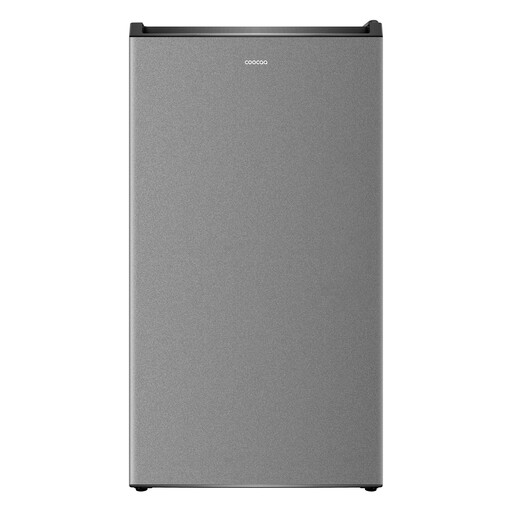 No image available
An under-counter fridge without a freezer compartment to compare if you want to chill other food as well as carrot sticks.
Fridge capacity: 83 l. External dimensions: 444 × 456 × 850 mm. The product information lists a salad drawer, adjustable shelves and annual energy consumption of 85 kWh.
 No image available
An under-counter fridge without a freezer compartment to compare if you have a compact space and also want to store other fresh food.
Fridge capacity: 92 l. Dimensions: 474 × 447 × 831 mm. The product information lists adjustable glass shelves, a salad drawer and a reversible door. Stated annual energy consumption is 85 kWh.
 No image available
An option to compare if you need a freezer compartment as well as fridge space.
Fridge capacity: 95 l; freezer compartment: 14 l. External dimensions: 85 × 55 × 58 cm. The product information lists a salad drawer, adjustable layout and annual energy consumption of 89 kWh. The freezer compartment takes up part of the total capacity.
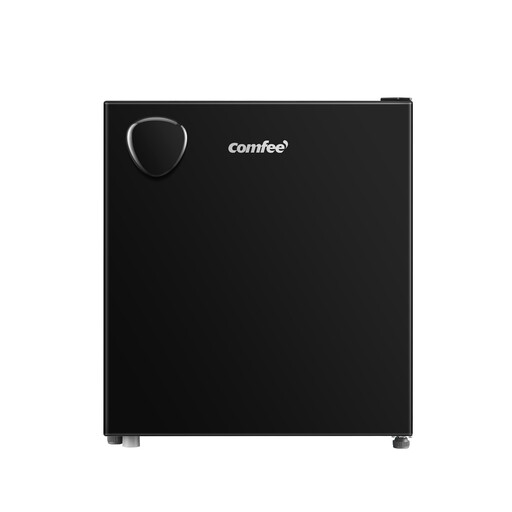 No image available
A small fridge to compare if you have a narrow space and only need to chill a limited amount.
Capacity: 43 l. Width: 44,5 cm. The product information lists three temperature settings, a vegetable compartment and annual energy consumption of 80 kWh.
Keep homemade carrot sticks sealed in the fridge. For opened pre-cut vegetables, the Netherlands Nutrition Centre gives a storage time of 2 days; don’t automatically apply this to carrot sticks you’ve cut yourself.
The Netherlands Nutrition Centre recommends a fridge temperature of 4 °C. Place a fridge thermometer in the middle of the bottom shelf and leave it there for half a day or overnight. Adjust the fridge if the reading is higher.
Yes. The Dutch Government lists fridges among the appliances that must carry an energy label. Also compare the stated energy consumption in kWh per year; Milieu Centraal recommends taking this into account when choosing.
According to ACM ConsuWijzer, the seller must resolve the issue if the product doesn’t perform as you could reasonably expect under normal use. The solution depends on the circumstances and applicable terms; a manufacturer’s guarantee doesn’t replace your statutory rights.
According to the Dutch Government, when you buy a new appliance, the shop must take back an old, similar appliance free of charge, including for online purchases. Check in advance how the handover will work in practice.