
Vandaag of morgen in huis

Kwaliteit gegarandeerd

Welkomstaanbiedingen ontgrendelen: GRATIS bezorging | Tot 80% korting | Gratis 30 dagen JoyPlus-proefperiode
Download de app
Buying a fridge seems straightforward, until you discover just how much models differ in size, noise levels, energy use and power supply. A model that works well in a spacious kitchen won’t necessarily suit a student room, campervan or office.
Most poor purchases come down to three common pitfalls:
Before buying, check the height, width and depth of the space available. Also measure doorways, corridors, stairs and the space around the fridge. The door needs to open far enough for you to remove drawers and shelves.
Remember to allow for ventilation, too. A freestanding fridge needs space around the back and top to release heat. Some models also need extra clearance for the door to open fully. For example, according to the product information, the Salora BCT935B needs a depth of around 91 cm with its door open.
For a small kitchen, a compact fridge with a capacity of around 80 to 210 litres may be more practical than a large American-style fridge. A table-top model such as the AEG RTB411E1AW is 84.5 cm high and has a stated total capacity of 120 litres, although the product specifications also list 107 litres. If you find conflicting figures, always check the official energy label and product data sheet.
The total capacity doesn’t tell you how much usable space you’ll actually have. Compare these figures separately:
A fridge-freezer makes sense for a household that regularly stores frozen food. If you mainly want to chill bottles and cans, a drinks fridge with a glass door may be a better choice. According to the product information, the 115-litre Heinrich’s drinks cooler can hold up to 178 330 ml cans or 75 500 ml bottles. It’s designed for a different purpose from a fridge for fresh groceries.
The EU energy label shows the energy rating, annual consumption in kWh and noise level. An E energy rating doesn’t automatically mean an appliance is unsuitable, but compare its annual consumption with its capacity and how long you expect to use it.
Noise levels matter especially in a bedroom or office. For example, the product information lists models ranging from 36 to 40 dB. Bear in mind that a compressor switches on from time to time. The stated noise level is a standardised figure and won’t tell you exactly how the sound will be perceived in your space.
A portable fridge, car fridge or compressor cool box needs a different set of checks:
According to the product specifications, a compressor cool box can both chill and freeze, with a temperature range of -18 °C to 15 °C, for example, on the BINGI 22L. Thermoelectric models, such as some 6- or 15-litre mini fridges, work differently: they cool relative to the surrounding temperature, so they’re not the same as a full-size freezer.
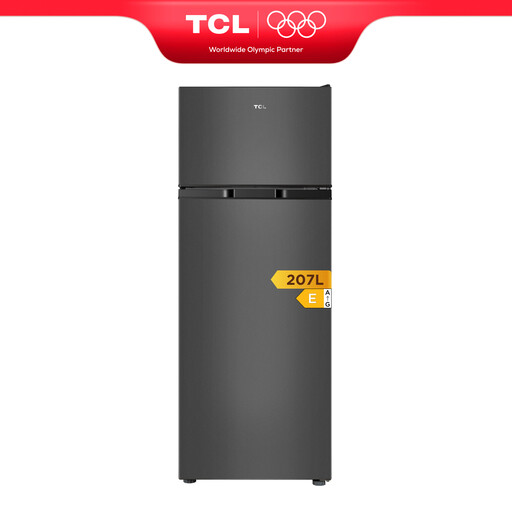
Why it suits this type of buyer: At a stated width of 55 cm, this model is worth considering for a small kitchen, flat or household looking to combine fridge and freezer space.
The fridge and freezer capacities are listed separately: 167 litres for the fridge and 40 litres for the freezer. That gives you a clearer idea of what you’re getting than a total capacity alone.
207 litres of total capacity, adjustable shelves and feet, LED lighting and an E energy rating according to the product information.
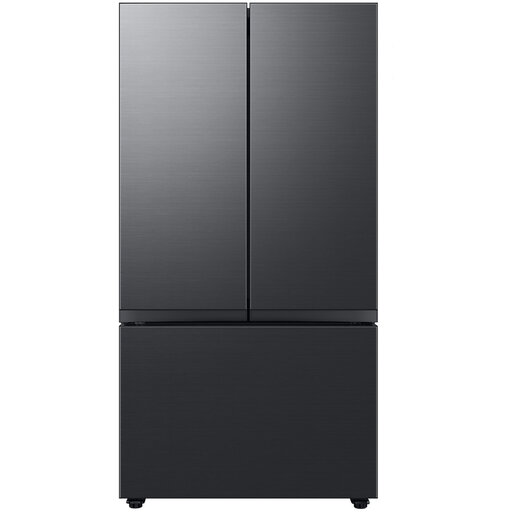
Why it suits this type of buyer: With a total capacity of 674 litres, a French Door layout and a water and ice dispenser, this model offers plenty of space for larger households.
The specifications list dimensions of 90.8 × 73 × 177.8 cm, an E energy rating, 338 kWh per year and 38 dB. Check in advance that its size and energy use are right for your home.
No Frost, Wi-Fi control via SmartThings according to the product description, and a 187-litre freezer compartment.
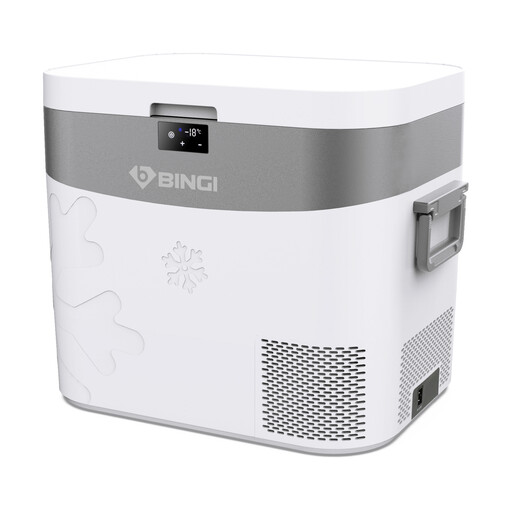
Why it suits this type of buyer: This portable fridge is designed for camping, campervans, boats, lorries and trips where you may need to chill and freeze food.
The power supply is clearly specified as 12/24V DC and 100–240V AC. Built-in battery protection helps reduce the risk of completely draining a vehicle battery, but it doesn’t replace correct installation.
22-litre capacity, compressor operation and an adjustable temperature range of -18 °C to 15 °C according to the product specifications.
We’ve put together a complete, up-to-date list of products that meet these strict selection criteria and the applicable European safety regulations.
Lifespan depends on how the appliance is used, ventilation, maintenance and the type of compressor. Keep the ventilation openings clear, clean the door seals and don’t put hot food straight into the appliance. The manufacturer’s warranty varies by brand and model, so check it before buying.
It can be, especially for cans, snacks or cosmetics. Check the noise level and cooling method first. A thermoelectric mini fridge usually cools relative to the surrounding temperature and generally doesn’t have a full-size freezer compartment. For storing food for longer, a compressor model with clear temperature controls is a better choice.
Multiply the stated annual consumption in kWh by your electricity tariff. A model that uses 200 kWh per year would cost around €60 per year at a rate of €0,30 per kWh. Actual consumption depends on the surrounding temperature, settings, how full the fridge is and how often the door is opened.
