
Vandaag of morgen in huis

Kwaliteit gegarandeerd

Welkomstaanbiedingen ontgrendelen: GRATIS bezorging | Tot 80% korting | Gratis 30 dagen JoyPlus-proefperiode
Download de app
Buying a new fridge seems straightforward, until you realise just how much models can differ in capacity, dimensions, noise levels and energy consumption. A model that looks spacious on paper may not have enough practical storage compartments. Some fridges may not fit through a doorway, or the door may not open properly when the appliance is next to a wall.
As Joybuy Product Recommendation Officer, I focus on product specifications you can check for yourself. Marketing terms are only useful when it’s clear what they mean for your needs.
A 300-litre fridge doesn’t tell you how much space you’ll actually have for fresh food. With a fridge freezer, you need to look at the fridge and freezer compartments separately. For example, a model with a total capacity of 260 litres might offer 187 litres of fridge space and 73 litres of freezer space.
The layout matters too. Adjustable glass shelves, wide door balconies and a salad drawer all affect how much you can store in practice. A 400-litre fridge isn’t automatically convenient if the shelves are shallow or large packages won’t fit.
A fridge with a stated noise level of 35 to 40 dB is generally worth considering for an open-plan kitchen, studio flat or office. This figure comes from a standardised product specification; at home, the position, floor and resonance can all affect the noise. So also check that the appliance is level and has enough ventilation space.
No Frost means that, according to the product specifications, the appliance uses an automatic defrost system. This can reduce the need to maintain the freezer compartment, but you should also compare annual consumption in kWh. The EU energy label runs from A to G. So don’t just look at the letter: check the annual kWh consumption and total capacity too.
Measure more than just the space where the appliance will go. Also check:
A freestanding fridge is flexible to position, but usually needs space around it. A fridge with a reversible door can be useful in a narrow kitchen. Check whether you’ll need to reverse the door yourself and whether you’ll have enough room to do so.
As a guide, you can match the capacity to how often you shop:
For a fridge with a freezer, check the separate freezer capacity, the number of freezer drawers and the freezing capacity in kg per 24 hours. A four-star freezer is designed for storing frozen food; check the product fiche for the exact classification.
Compare the annual consumption in kWh with similar models. An energy-efficient fridge isn’t just about its energy label: capacity, usage, room temperature and how often the door is opened all play a part.
A fridge with an inverter compressor can vary the compressor output according to the product specifications. This is a technical feature, not a guarantee of a particular saving. Also check the maintenance requirements, warranty terms and availability of spare parts.
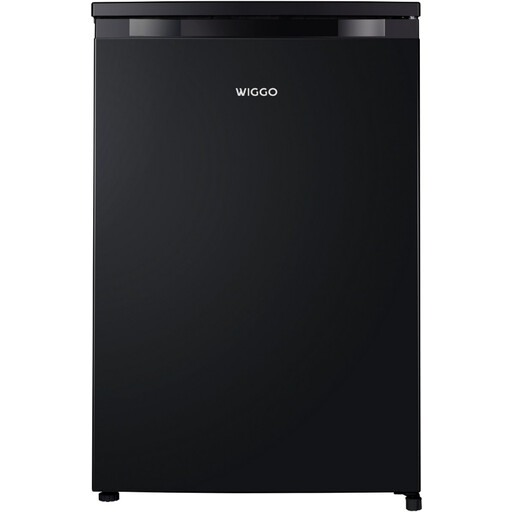
Why it suits this profile: The 126-litre capacity makes it a good fit for a small kitchen, student room or office, or as an extra fridge. At 84.5 cm tall, it can be placed under or beside a worktop.
The product fiche lists more than just the capacity: it also specifies a salad drawer, adjustable shelves and a reversible door. That means you can check the layout and door direction in advance.
126 litres net capacity, D energy rating, 72 kWh per year according to the product details, and a noise level of 39 dB.
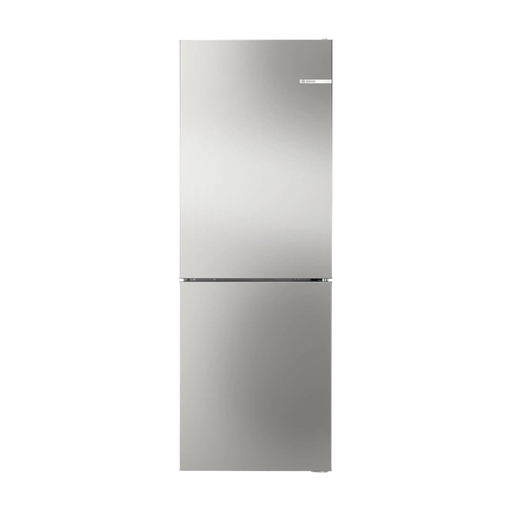
Why it suits this profile: This model combines 189 litres of fridge space with a 90-litre freezer compartment. It’s a good option for households looking for a well-organised fridge freezer with separate temperature controls.
The product information lists a total capacity of 308 litres, three shelves, three freezer compartments, No Frost and a noise level of 40 dB. This makes it easy to compare the key details with other models.
D energy rating, Total No Frost according to the product description, LED lighting and separate temperature controls for the fridge and freezer compartments.
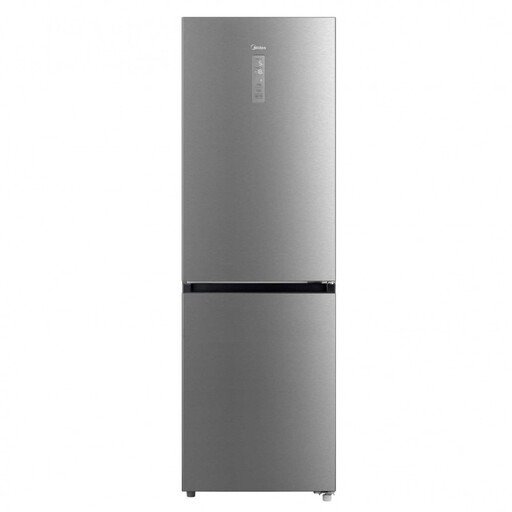
Why it suits this profile: With a capacity of 338 litres, electronic controls and a stated noise level of 35 dB, this model is designed for households that regularly store groceries and value a quiet kitchen.
The choice isn’t based on the word inverter alone. The product details also list a capacity of 338 litres, adjustable shelves, No Frost, a C energy rating and a noise level of 35 dB.
338 litres total capacity, an inverter compressor according to the product specifications, electronic temperature control and a fast-cooling function.
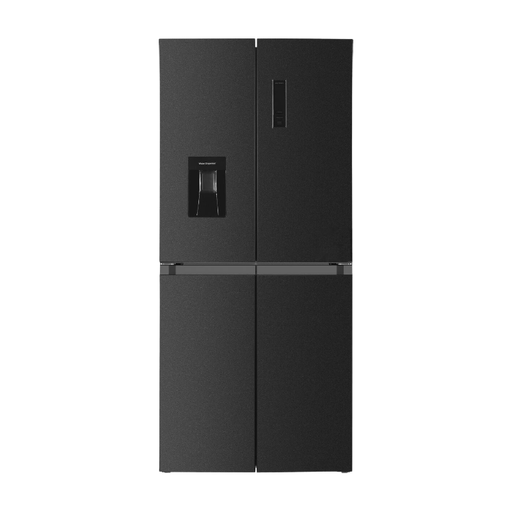
Why it suits this profile: The capacity is split between 269 litres of fridge space and 150 litres of freezer space. It’s designed for families and shoppers who want to organise larger grocery shops or extra supplies across several doors and drawers.
The product fiche lists the separate fridge and freezer capacities, annual consumption of 182 kWh and dimensions of 180 × 79 × 70 cm. These measurements are especially important when arranging delivery.
419 litres total capacity, Total No Frost according to the product information, a refillable water tank and digital temperature controls.
We’ve put together a full, up-to-date list of products that meet these strict selection criteria and the applicable European safety regulations.
It depends on the size of your household and how often you shop. A compact fridge may be enough for one person. Couples and small households often look for a fridge freezer with a capacity of around 250 to 340 litres. Larger families and bulk shoppers could consider a model with 400 litres or more. Always check the separate fridge and freezer capacities.
Lifespan varies depending on the model, how it’s used, ventilation and maintenance. Keep the condenser and ventilation openings clear, make sure the door closes properly and position the appliance level. Before buying, check the statutory guarantee and any additional manufacturer’s warranty. In the European Union, consumers are entitled to a minimum two-year legal guarantee, with additional rights potentially available under national law.
Check the annual consumption on the EU energy label and multiply it by your current electricity tariff. A model with a better energy rating may cost less to run, but always compare appliances with a similar capacity. A larger American-style fridge freezer may use more electricity than a smaller model, even if they have a similar energy rating.
