
If you’re hosting a special meal
You might be looking for ciabatta, baguettes, focaccia or sourdough for a dinner, brunch or get-together, and can buy or bake the bread closer to serving time.


Buy fresh bread for a meal that’s coming up soon, choose part-baked bread if you’d like more flexibility over when you serve it, or freeze bread in portions as soon as you buy it if you want to spread it across several meals. When buying a larger quantity, always check the storage and preparation instructions for the product you’ve chosen; appearance alone tells you nothing about shelf life, whether it’s wholemeal or its allergens.
You might be looking for ciabatta, baguettes, focaccia or sourdough for a dinner, brunch or get-together, and can buy or bake the bread closer to serving time.
You have freezer space and want to use a larger purchase in portions. The Netherlands Nutrition Centre advises freezing bread in portions as soon as you buy it and taking out only what you need.
You want to choose a clearly labelled wholemeal option for regular use, or need to check the ingredients and allergens for each type of bread. A festive-looking loaf is no substitute for checking.
First, decide when you want to serve the bread and how much you can store. Fresh bread, packaged part-baked bread and frozen portions all need different planning. Then check whether the exact product is wholemeal and what allergens it contains.
Choose this when: you’ll serve the bread soon after buying it, as part of a planned meal.
Bear in mind: bread you won’t use straight away needs a storage plan. The Netherlands Nutrition Centre recommends portioning bread and freezing it as soon as you buy it.
Choose this when: you want to bake it just before the meal and can store it according to the instructions on the label.
Bear in mind: storage instructions, equipment and baking times vary by product.
Choose this when: you want to spread a larger purchase across several meals and have enough freezer space.
Bear in mind: according to the Netherlands Nutrition Centre, bread can become drier if it’s frozen for longer.
| What to consider | What to check when buying | Who it matters to |
|---|---|---|
| Bread for serving | Compare the shape of the bread and portion size. For part-baked bread, check that the preparation instructions suit your oven or air fryer. | For a planned dinner or get-together, I want to choose bread that suits the food and the number of guests. For around 36% of consumers, this serving occasion is the most important factor. |
| Storage and portioning | Check the use-by or best-before date and storage instructions on the pack, as well as how much freezer space you’ll need. | If I buy bread for several meals, I don’t want to have to use more at once than I need. Around 29% of consumers prioritise splitting up their supply. |
| Wholemeal choice | Look for the word ‘wholemeal’ and read the ingredients and nutritional information; a multigrain name or dark colour isn’t enough. | If I’m also buying bread for regular use, I want to know whether it’s genuinely wholemeal. This is the top priority for around 21% of consumers. |
| Ingredients and allergens | Check the current allergen information and any warnings for each product. If you have a question about iodine, check which salt is used in the ingredients list. | If ingredients or allergens affect my choice, I need to be able to check the information for this exact loaf. For around 14% of consumers, this is their main concern. |
A larger purchase is only practical if you know when you’ll use the bread. According to the Netherlands Nutrition Centre, bread can become drier over time in the freezer.
Work out how many meals you’ll need it for in advance, and freeze any bread you want to keep in portions as soon as you buy it.
The equipment, temperature and baking time required depend on the specific product. Instructions for one ciabatta don’t automatically apply to another pack.
Before buying a larger quantity, check the preparation instructions for your chosen product and make sure you have enough space to bake the bread for your guests.
Colour, seeds and a rustic appearance don’t confirm that a loaf is wholemeal. The Netherlands Nutrition Centre specifically discusses the nutritional value of wholemeal bread as wholemeal bread.
If wholemeal matters for your supply, check the product description and ingredients list.
Ingredients and allergens can vary between products, even when the bread is the same shape. The Netherlands Food and Consumer Product Safety Authority says that allergen information must be shown on the label of prepacked products.
Read the current packaging for each loaf you choose. For unpackaged bread, ask for the allergen information before buying.
Offers ciabatta and sourdough baguettes, among other options, for a planned meal.
Offers part-baked bread in a range of shapes, including baguettes, ciabattinas, pittas and rolls.
Offers both fresh bread and packaged bread, including part-baked options.
Offers part-baked options such as ciabatta, focaccia, Turkish bread and baguettes.
For the ciabatta reviewed, it provides storage and preparation information for anyone who wants to keep part-baked bread in stock.
Offers a range of ciabatta varieties for anyone comparing bread shapes and pack sizes.
These products include ciabatta, baguettes and round loaves suited to a planned meal or keeping in the freezer. Compare individual rolls with whole loaves based on the number of people you’re serving, and always follow the storage and baking instructions on the packaging you receive.
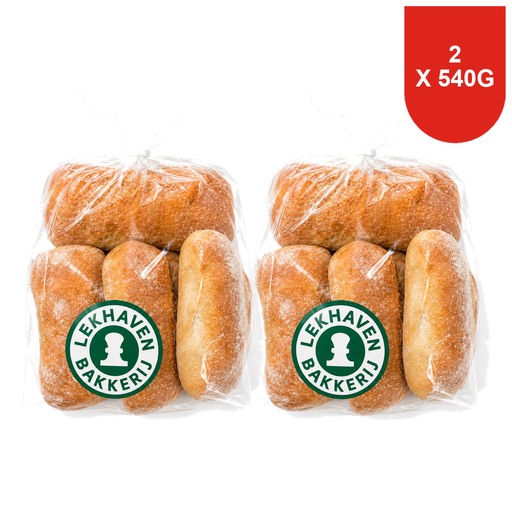 Image unavailable
The individual ciabattas are a good option if you want to spread the bread across several serving occasions; allow time to defrost before baking.
Two packs, each containing four 135 g pieces. Check the storage, preparation and allergen information on the packaging.
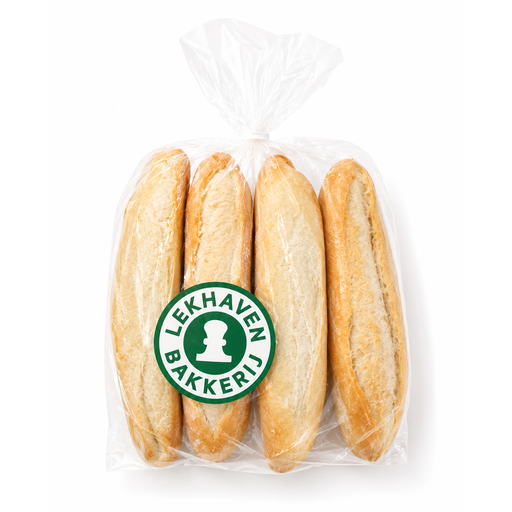 Image unavailable
Four individual baguettes are handy for a get-together or dinner when you don’t want to use the whole pack at once. Allow time for defrosting and baking.
Four 135 g pieces. Follow the baking time on the packaging, and check the allergen information there too.
 Image unavailable
These multigrain baguettes are a good option if you want to plan for individual loaves to serve with a meal. ‘Multigrain’ alone doesn’t confirm that a product is wholemeal.
Four 135 g pieces. Check the baking time and allergen information on the packaging; the available product information lists sesame as an ingredient.
 Image unavailable
A round loaf is worth considering if you want to slice one loaf to share at a meal and are specifically looking for a wholemeal option. Allow time to defrost, bake and cool.
Whole loaf, 550 g. Check the wholemeal description, baking time and allergen information on the packaging.
 Image unavailable
This whole multigrain loaf suits a meal where you want to slice one loaf rather than serve individual baguettes. Plan to defrost and bake it before the meal.
Round loaf, 550 g. The available product information lists sesame; check the current allergen information and baking instructions on the packaging.
Yes. The Netherlands Nutrition Centre advises freezing bread in portions as soon as you buy it, then taking out only what you need. Bread can become drier if frozen for longer; if it’s a packaged product, also follow its specific storage advice.
You can if the packaging includes air fryer instructions. For example, PLUS gives this preparation method for its ciabatta, but the instructions for that product don’t automatically apply to other part-baked bread.
According to the Netherlands Food and Consumer Product Safety Authority, allergen information appears on the label of prepacked bread. For unpackaged bread, ask for the information for the exact product before buying, and check for any warnings on the packaging too.
No, you can’t assume that every loaf does. The Netherlands Food and Consumer Product Safety Authority says that iodine compounds are permitted in bread; check the ingredients list to see whether your chosen product contains iodised salt.