If you’re eating the sauce that evening, you don’t need a separate freezer: cool it covered and put it in the fridge within two hours, advises the Netherlands Nutrition Centre (Voedingscentrum). If you want to save portions for later, choose a freezer that can be set to −18 °C or lower and has room for your containers. A compact freezer suits smaller quantities and limited space; for larger or regular batches, a taller upright freezer may be more practical. Just remember to consider the space available, energy use and how easy it is to defrost.
Who is this advice for?
Cook making several portions of sauce
You make sauce for shared meals on other days and want to freeze portions neatly without overloading the freezer in one go. The Netherlands Nutrition Centre advises cooling or freezing cooked leftovers within two hours.
Cook with limited freezer space
You want to store a few containers of sauce, but need to pay particular attention to the dimensions and drawer layout of a compact appliance. The Consumers’ Association (Consumentenbond) points out that food is easier to reach in a freezer with drawers than in a chest freezer.
Regular freezer user
You store other meals as well as sauce, and weigh up accessibility, energy use and ease of defrosting. Milieu Centraal advises choosing a size that meets your needs and comparing the stated annual energy consumption in kWh.
What should you look for when choosing?
Fridge for tonight’s sauce
A good fit if: you’ll eat the cooled sauce that evening or within two days at most, and have room in the fridge.
Bear in mind: a fridge isn’t suitable for storing portions for longer.
Compact freezer
A good fit if: you regularly store a few portions and have little floor or kitchen space.
Bear in mind: capacity is more limited, and not every compact freezer has NoFrost.
Freestanding upright freezer
A good fit if: you often store larger batches or other meals as well as sauce, and have enough space.
Bear in mind: measure the available height and depth, then compare suitable models by their annual kWh consumption.
Chest freezer
A good fit if: you mainly store large quantities or bulky items, and have room for a lid that opens upwards.
Bear in mind: small containers of sauce that you use regularly are usually easier to reach in an upright freezer with drawers. The Consumers’ Association says it doesn’t test chest freezers, so no testing advantage has been established here.
| What to consider |
What should you look for? |
Who is this important for? |
| Amount of sauce |
Compare the number and dimensions of your containers with the drawer layout and the stated freezing capacity in kg per 24 hours. |
If I’m freezing a larger batch for shared meals, I want to know whether the containers will fit and how much I can add at once. Around 36% of consumers mainly need space and enough freezing capacity for portions like these. |
| Available space |
Measure the space, doorway or room needed for the lid. If the freezer will be kept in an unheated space, check the model’s climate class too. |
When my kitchen or utility room has limited space, suitable dimensions and easy access matter more than extra capacity. Around 29% of consumers give the most priority to where the freezer can be placed and how accessible it is. |
| Energy use |
Once you’ve found a suitable size, compare the energy rating and stated consumption in kWh per year. Actual consumption also depends on use and placement. |
If I leave the freezer running between cooking sessions, I want to take its annual energy use into account without making assumptions about electricity prices. Around 21% of consumers focus mainly on annual energy consumption. |
| Defrosting and organisation |
Check whether the model has NoFrost and how many drawers it has; these features vary by model. |
If I often store small portions of sauce, I want to find them easily and spend as little time as possible defrosting. Around 14% of consumers prioritise maintenance and keeping portions organised. |
Common pitfalls
-
Buying a separate freezer for sauce you’ll eat that evening
If you chill the sauce promptly and eat it that evening, there’s no need to freeze it.
First decide whether you really want to save portions for meals later on.
-
Looking only at the capacity in litres
Capacity alone doesn’t tell you whether your containers will fit or how much sauce you can freeze at once.
Compare your containers and existing food with the drawer layout and stated freezing capacity. It’s best to divide a large quantity into small portions.
-
Overlooking placement requirements
The suitable ambient temperature range can vary by model, which matters if you’re placing the freezer somewhere cold, for example.
Check the climate class and the permitted ambient temperature for the specific model before choosing a spot.
-
Confusing an old energy label with the current scale
The Dutch government states that, since March 2021, energy labels for household freezers have used a scale from A to G.
Compare models using the same labelling basis, and also check the stated annual energy consumption in kWh.
Brands to consider
Inventum
Inventum offers compact freestanding freezers, including models such as the VR550, for storing a few portions.
- Inventum lists the VR550 as having a capacity of 88 litres, three drawers and a freezing capacity of 4 kg per 24 hours.
- According to Inventum, this model doesn’t have NoFrost; that doesn’t mean all the brand’s freezers lack this feature.
Liebherr
Liebherr offers compact NoFrost freezers, including the FNe 1404.
- Liebherr lists the FNe 1404 as having a total volume of 92 litres and NoFrost.
- These model specifications aren’t an independent comparison of freezing performance or running costs.
Bosch
The Bosch GSN29VWEP is a taller freestanding upright freezer for a larger or more varied stock of food.
- Bosch lists this model as having 200 litres of freezer capacity, four drawers, NoFrost and a stated freezing capacity of 16 kg per 24 hours.
- Bosch gives an annual consumption of 221 kWh based on the standard test, and notes that actual consumption depends on use and placement.
Beko
The Beko FS166020 is a narrow freestanding compact freezer for spaces where width is a key consideration.
- Beko lists this model as having a capacity of 65 litres and a width of 47,5 cm.
- The manufacturer gives it an energy rating of E and static cooling. Check that its capacity is enough alongside your other frozen food.
Freezers at Joybuy
These Joybuy picks are freezers for anyone who wants to save cooled sauce in portions for meals later on. Check that each model can be set to −18 °C or lower, and that its dimensions and layout suit your containers.
 No image available
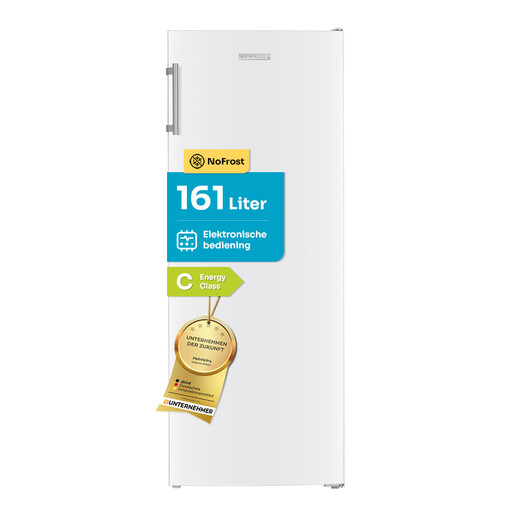
Heinrich’s 161-litre freezer
The drawer layout provides separate spaces for storing portions. Before buying, check that the appliance can be set to −18 °C or lower.
161 litres; three freezer drawers and two trays; energy rating C; temperature setting from −14 °C to −22 °C; No-Frost.
View at Joybuy
 No image available
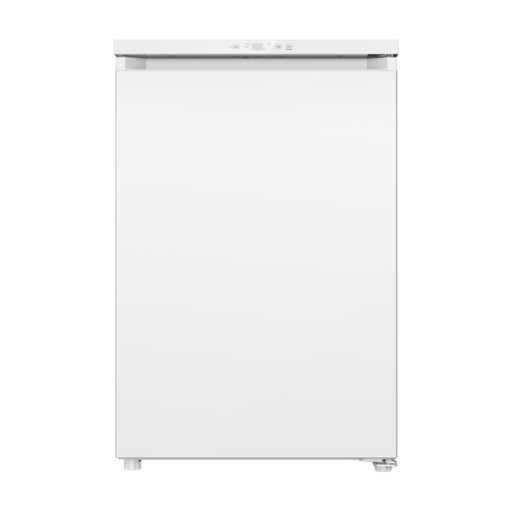
Frilec BREMEN138-NF-050DW
This No-Frost compact freezer is worth comparing if you’re looking for a space-saving option. Check the drawer layout and whether its temperature settings suit your storage needs.
Compact freezer; No-Frost; energy rating D.
View at Joybuy
 No image available
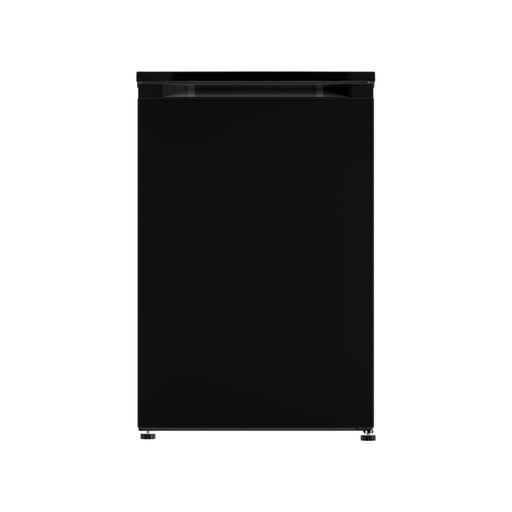
Exquisit GS581-051CB
The three transparent drawers can help keep portions of sauce organised. Bear in mind that this model needs to be defrosted manually.
85 litres; compact freezer; energy rating C; manual defrost.
View at Joybuy
 No image available
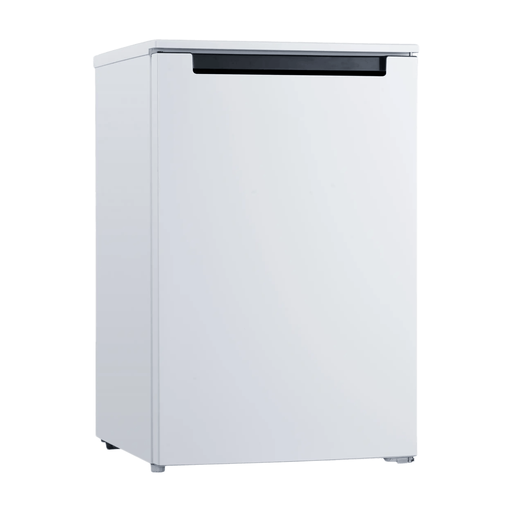
Frilec BREMEN132-040BW
A compact freezer to consider when comparing options for sauce portions. Check the temperature settings and drawer layout to make sure they suit your containers.
87 litres; energy rating B; compact freezer; manual defrost.
View at Joybuy
 No image available
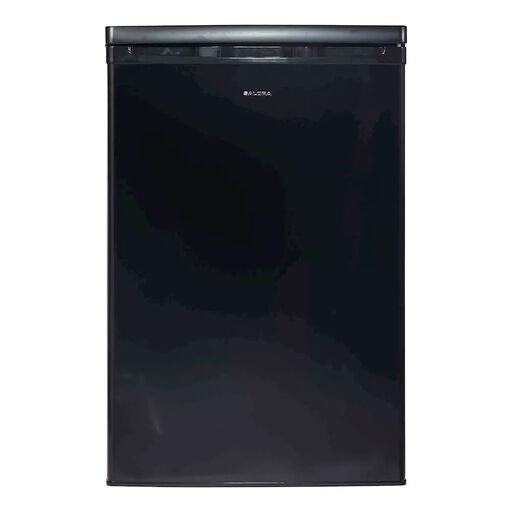
Salora FRT910B
The four transparent drawers provide separate spaces for organising portions. Bear in mind that No-Frost isn’t listed as a feature.
91 litres; freestanding; reversible door; adjustable thermostat.
View at Joybuy
Frequently asked questions
Do I need to freeze sauce we’re eating tonight?
No. Let the cooked sauce cool briefly, then cover it well and put it in the fridge or freezer within two hours of cooking. The Netherlands Nutrition Centre says leftovers can be kept chilled if you’ll eat them within two days at most; for longer storage, you can freeze portions.
What temperature should I freeze sauce at, and how should I portion it?
Set the freezer to −18 °C or lower and divide the cooled sauce into small, airtight portions. Don’t add too much at once, and label the containers with their contents and freezing date.
How long can tomato sauce be kept in the freezer?
The Netherlands Nutrition Centre’s Storage Guide gives a freezer storage time of three months for opened, ready-made tomato sauce, after which its quality may deteriorate. Don’t automatically apply this period to homemade sauce with different ingredients; use a storage time that’s suitable for its ingredients.
How should I defrost and serve frozen sauce?
It’s best to defrost a meal-sized portion in the fridge; a small portion can also be defrosted in the microwave. Don’t leave the sauce to defrost outside the fridge all day or overnight. Then heat it thoroughly until piping hot, as advised by the Netherlands Nutrition Centre.
Do household freezers in the Netherlands need an energy label?
Yes. According to the Dutch government, freezers are among the appliances that must have an energy label. The current ratings run from A to G; also compare the stated consumption in kWh per year.
What happens to my old freezer, and what warranty do I have?
If you’re buying a new, similar appliance as a private customer, the seller must take back the old one free of charge under the Dutch old-for-new scheme. The practical arrangements may vary for online purchases. You also have a legal guarantee from the seller for as long as the product should reasonably meet expectations under normal use. ACM ConsuWijzer states that there is no fixed, general two-year period for this.


