
Only store sauce occasionally?
You want to keep leftovers from a shared meal and first check whether your current freezer space is enough.


For one leftover portion of pasta sauce, your existing freezer space should be enough, as long as the sealed containers fit without being crammed in. A second freezer is mainly worth considering if you regularly store several portions. Compare the available capacity and drawer layout, freezing capacity and annual energy consumption. More capacity also takes up space, and a separate appliance will keep using electricity. The Netherlands Nutrition Centre advises cooling cooked leftovers quickly and putting them in a sealed container in the fridge or freezer within two hours of cooking.
You want to keep leftovers from a shared meal and first check whether your current freezer space is enough.
You often make extra sauce and want a tidy place for containers, without giving up more space than necessary for an appliance.
You store other food as well as sauce and want to weigh up the capacity you need against the space available and energy consumption.
Best for: a few sealed portions that fit in your current freezer compartment without being crammed in.
The trade-off: you won't need to make space for a second appliance that uses electricity all the time. Just check that you really do have enough room.
Best for: regularly freezing extra portions when you have limited floor or kitchen space.
The trade-off: drawers can help keep portions organised, but measure the space and compare capacity, freezing capacity and annual energy consumption.
Best for: regularly storing a larger amount of food and having enough room for a bigger appliance.
The trade-off: the Consumers' Association notes that an upright freezer with drawers is easier to access, while a chest freezer is better suited to large or unusually shaped items.
| What to consider | What should you look for? | Who should prioritise this? |
|---|---|---|
| Space for portions | Measure the space available and compare the capacity and layout with your own sealed containers. | If I want to store sauce in containers, I want them to fit and be easy to find. Around 40% of consumers prioritise space and layout for portions. |
| Energy consumption | Compare the energy label and, in particular, the annual consumption in kWh of models with a suitable capacity. | If I'm considering an extra freezer, I want to know how much electricity it uses each year. Around 30% of consumers prioritise energy consumption. |
| Freezing capacity | Compare the stated capacity in kg per 24 hours with the amount you want to freeze at once. | When I freeze several fresh portions at once, I want to take the stated capacity into account. Around 20% of consumers prioritise how much can be frozen at a time. |
| Defrosting and access | Check the full model number to see whether it has NoFrost, and whether the drawers and door opening suit your containers. | If I'd rather avoid manual defrosting, I look at both the maintenance features and the layout. Around 10% of consumers prioritise ease of maintenance. |
If your existing freezer can already hold the portion, an extra appliance won't solve a space problem. It will need its own spot and use electricity.
First check whether your containers fit in your existing freezer. Only compare extra appliances if you regularly run out of space.
A second appliance takes up space and keeps using electricity, even when there's very little in it.
Capacity doesn't tell you how much electricity a model uses each year. The external dimensions also determine whether the appliance will fit in your chosen spot.
Measure the space first, then compare the annual consumption in kWh of models that offer enough room for your portions.
Freezing doesn't replace the advice to cool cooked leftovers promptly and keep them chilled.
The Netherlands Nutrition Centre advises cooling leftovers quickly and putting them in a sealed container in the fridge or freezer within two hours of cooking.
The VR550 is a freestanding tabletop model worth comparing if you're looking for drawers to keep portions separate.
The GTV15NWEB is a tabletop model worth comparing if you're looking for a compact freestanding freezer.
The Fe 1404 and FNe 1404 are two tabletop options you can compare by capacity and defrosting features.
The FSE1074N is a freestanding model to compare with compact freezers if you want to check dimensions and layout.
These are freestanding freezers for anyone looking for extra space for portions and other food alongside their existing freezer.
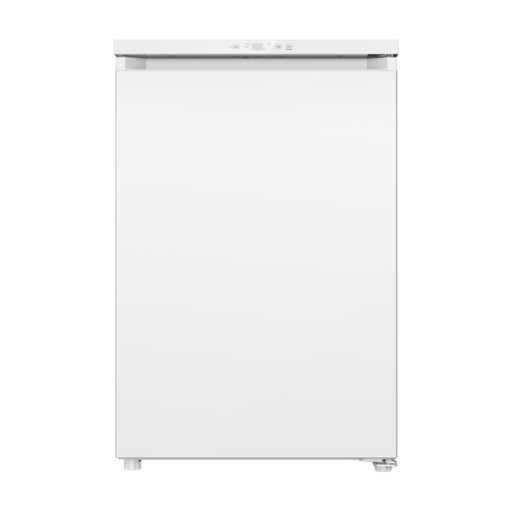 Image unavailable
A compact freestanding tabletop model for anyone looking for extra freezer space and less manual defrosting.
Capacity: 87 litres. Freezing capacity: 5 kg per 24 hours. The product information lists No-Frost, automatic defrosting and a recommended freezing temperature of −18 °C.
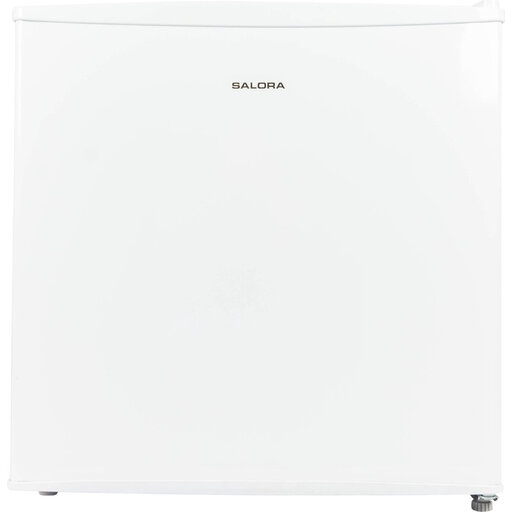 Image unavailable
A compact extra freezer for anyone who wants to freeze a smaller amount at a time.
Capacity: 31 litres. Freezing capacity: 2 kg per 24 hours. The product information lists two compartments and an adjustable thermostat.
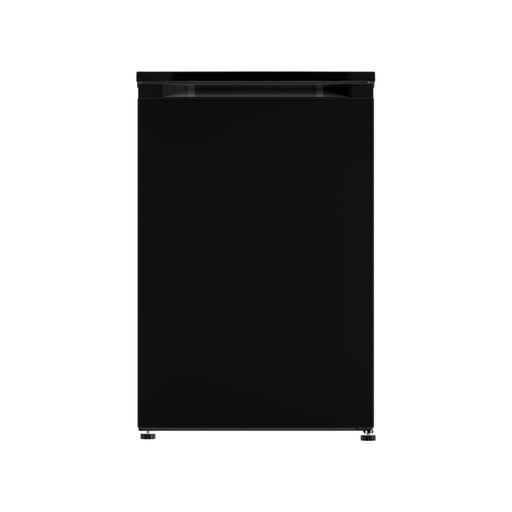 Image unavailable
A tabletop model with drawers for anyone who wants to keep portions neatly organised.
Capacity: 85 litres. Three transparent drawers. Freezing capacity: 4,5 kg per 24 hours. The product information lists energy rating C and 105 kWh per year. Manual defrosting is required; the description recommends doing this when the layer of ice reaches around 5 mm.
 Image unavailable
A tabletop model with drawers for anyone who wants to organise portions and match the stated capacity to the amount they freeze at a time.
Capacity: 87 litres. Three transparent drawers. Freezing capacity: 4,4 kg per 24 hours. The product information lists energy rating B and 84 kWh per year. It doesn't have No Frost, so manual defrosting is required.
 Image unavailable
A freestanding model with three drawers for anyone who wants to store portions separately.
Capacity: 60 litres. Freezing capacity: 6 kg per 24 hours. The product information lists energy rating F and 195 kWh per year. It doesn't have an anti-ice function. The three drawers include one transparent drawer.
The Netherlands Nutrition Centre recommends keeping pasta sauce without meat in the freezer for three months. This advice applies to that particular type of sauce. Cool cooked leftovers quickly, store them in a sealed container and note the date.
Ideally, take the sauce out of the freezer around 24 hours beforehand and let it defrost in the fridge, as recommended by the Netherlands Nutrition Centre.
No, NoFrost isn't essential for storing sauce. Liebherr says the FNe 1404 has NoFrost. If you want to reduce the need for manual defrosting, compare this feature with the capacity and layout of the specific model.
As well as the energy rating, compare the annual electricity consumption in kWh and the capacity. Milieu Centraal recommends choosing a suitable size, so only compare models that offer enough room for your containers and food.