You don’t necessarily need a separate freezer if your existing freezer has enough room and can be set to at least −18 °C. If you often freeze family meals, compare the available capacity and freezing capacity with the size of your portions. Also consider annual energy consumption and the temperature where you plan to put the appliance.
Who is this buying guide for?
Family with limited freezer space
You want to store cooled mash in family-sized portions and work out whether your existing space is enough or whether you need a compact under-counter model. The Netherlands Nutrition Centre recommends a temperature of at least −18 °C for freezing food.
Family meal-prepper
You regularly freeze several dishes and want the available drawers and freezing capacity to suit the amount you add at one time.
Shopper with a cold utility room
You’re considering putting a freezer somewhere other than a heated kitchen, so you’ll need to check that the model’s permitted ambient temperature range is suitable for that location.
What should you look for when choosing?
Existing freezer or freezer compartment
Suitable if: you have enough free space for sealed portions and the appliance can be set to at least −18 °C.
Bear in mind: check the temperature and the space that’s actually available. One- and two-star freezer compartments can’t be set to the recommended temperature.
Freestanding under-counter freezer
Suitable if: you regularly need a little extra freezer space for portions and have a compact spot available.
Bear in mind: check that your containers will fit in the drawers and that the freezing capacity is suitable for the amount you freeze at a time.
Freestanding upright freezer
Suitable if: you freeze family meals as well as mash and need more storage space with drawers.
Bear in mind: allow for the space it will take up and compare the annual energy consumption of models with a suitable capacity.
Chest freezer
Suitable if: you also want to store large or unusually shaped items and have enough floor space.
Bear in mind: drawers in an upright freezer may make small containers easier to organise. The Consumers’ Association test referred to here doesn’t include chest freezers.
First compare the available space and the required freezing temperature. Then consider capacity, energy consumption and the conditions where you plan to put the appliance.
| What to consider |
What should you look for? |
Who is it most relevant to? |
| Space and layout |
Measure the available space and doorway. Compare usable freezer capacity and drawer space with the containers you use. |
I want room for family-sized portions without crowding out the food I already have. Around 36% of consumers prioritise suitable freezer space and layout. |
| Temperature and freezing capacity |
Check that the freezer can be set to at least −18 °C, and compare its capacity in kg per 24 hours with the amount you freeze at a time. |
If I add several fresh portions at once, I want to know whether the temperature and capacity are suitable. Around 29% of consumers prioritise safely freezing several portions. |
| Energy consumption |
Compare the annual consumption in kWh of appliances with a suitable capacity. The current EU energy label runs from A to G. |
I don’t want to choose a larger freezer than I need, so I pay attention to annual energy consumption. Around 21% of consumers prioritise energy use. |
| Placement and maintenance |
Check the dimensions, installation instructions and permitted ambient temperature for the exact model. Also check whether it has No Frost. |
If I’m putting it in an unheated utility room, I want to check that the manufacturer says the appliance can operate there. Around 14% of consumers make placement and maintenance their top priority. |
Avoiding common buying mistakes
-
Assuming a freezer compartment is suitable without checking the temperature
According to the Netherlands Nutrition Centre, one- and two-star freezer compartments can’t be set to the recommended temperature of at least −18 °C.
Before relying on your existing freezer space, check that the appliance can be set to at least −18 °C.
-
Freezing a large pan of mash all at once
A model’s freezing capacity shows how much fresh food it can freeze in 24 hours. A large amount added at once may exceed the appliance’s capacity.
Cool the mash quickly, divide it into small sealed portions and compare the total amount with the stated capacity in kg per 24 hours. The Netherlands Nutrition Centre recommends putting leftovers in the fridge or freezer, well covered, within two hours.
-
Looking only at an old energy-label rating
Current EU energy labels use a scale from A to G, replacing the old plus ratings. A freezer also uses electricity continuously.
First choose a capacity that suits how you’ll use it, then compare the current energy label and annual consumption in kWh. Milieu Centraal also recommends including annual energy consumption in your comparison.
Brands to consider
Inventum
The Inventum VR550 is a freestanding under-counter model for anyone looking for compact extra freezer space with drawers.
- Inventum lists a capacity of 88 l, three drawers and a freezing capacity of 4 kg per 24 hours for the VR550.
- Inventum says this model doesn’t have No Frost. The manufacturer specifies an ambient temperature range of 10 °C to 38 °C.
Bosch
The Bosch GSN29VWEP is a freestanding upright freezer with more storage space for households that regularly freeze several meals.
- Bosch specifies a freezer capacity of 200 l, four drawers, No Frost and a freezing capacity of 16,0 kg per 24 hours for this model.
- Bosch lists 221 kWh per year based on the standard test and says actual consumption depends on use and placement.
Beko
The Beko FS166020 is a slim under-counter model to compare if the available width is a key consideration.
- Beko lists a capacity of 65 l and a width of 47,5 cm for the FS166020.
- Before buying, check the required freezing temperature and capacity for this specific model.
Liebherr
The Liebherr FNdi 1624 is an under-counter model to consider if No Frost or placement in a cold utility room is a factor.
- Liebherr lists a total capacity of 92 l and No Frost for the FNdi 1624.
- Liebherr says this model is designed for ambient temperatures down to −15 °C. This claim applies to this specific model; also check the placement requirements for your chosen location.
Freezers at Joybuy
This selection includes freestanding upright freezers and under-counter models for extra family storage. Before using your chosen model for mash, check that it can be set to at least −18 °C.
 No image available
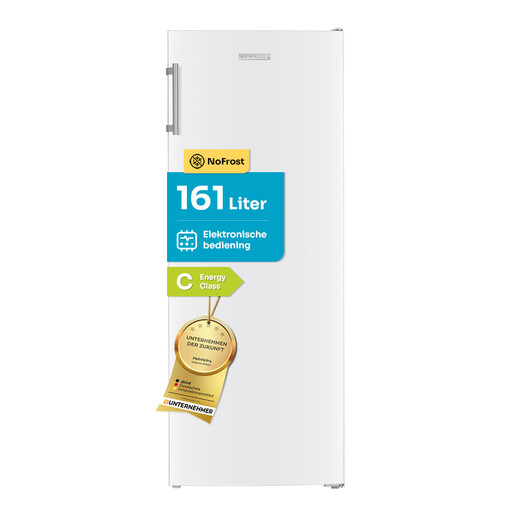
Heinrich’s upright freezer 161 l
The 161 l capacity is designed to provide extra freezer storage. Check that this size will fit in your available space.
The description lists a temperature range of −14 °C to −22 °C, a freezing capacity of 4,5 kg per 24 hours, No Frost, three drawers and energy class C. Check that it can be set to at least −18 °C before use.
View at Joybuy
 No image available
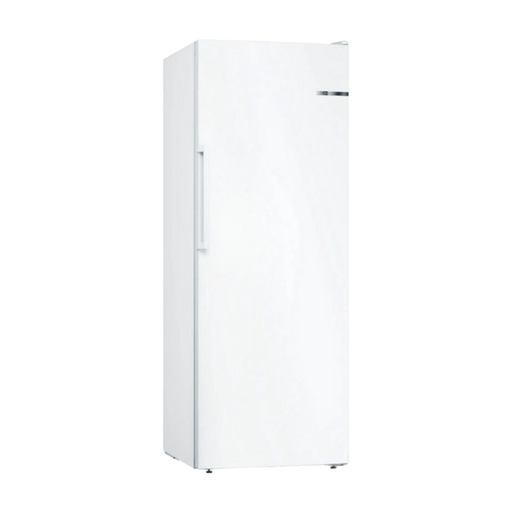
Bosch Series GSN29VWEV Series 4
The freestanding design and stated capacity are worth considering if you want to store family meals as well as mash.
The description lists a capacity of 200 l, a temperature setting of −18 °C, a freezing capacity of 16 kg per 24 hours and NoFrost.
View at Joybuy
 No image available
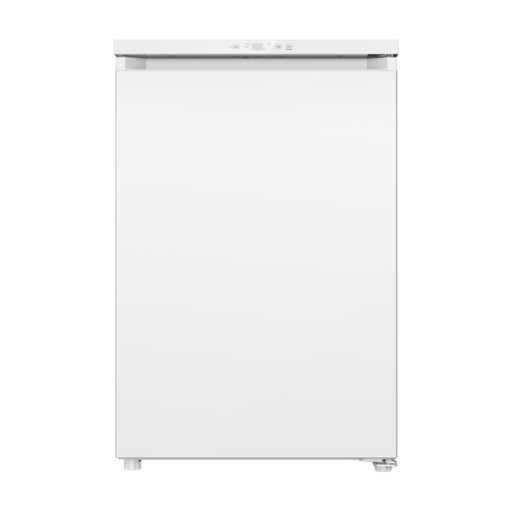
Frilec BREMEN138-NF-050DW
This under-counter model is worth comparing if you’re looking for compact extra freezer space.
The description lists a capacity of 87 l, three drawers, No Frost, a freezing capacity of 5 kg per 24 hours and a recommended temperature of −18 °C.
View at Joybuy
 No image available
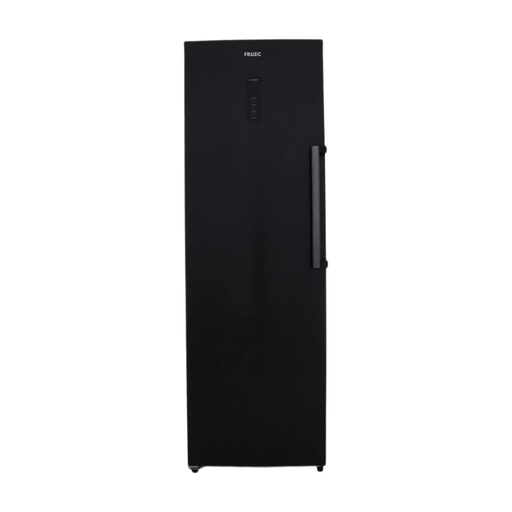
Frilec BREMEN295-NF-H-040CDI
The stated capacity is worth considering if you want to store a large amount of family food. Measure the space for an upright freezer beforehand.
The description lists a capacity of 274 l, a freezing capacity of 17 kg per 24 hours, No Frost and energy label C.
View at Joybuy
 No image available
Frilec BREMEN132-040BW
This under-counter model is designed for anyone looking for extra freezer space in a more compact size.
The description lists a capacity of 87 l, three drawers, a freezing capacity of 4,4 kg per 24 hours and annual energy consumption of 84 kWh. The product name lists energy label B.
View at Joybuy
Frequently asked questions
How long can you keep homemade mashed potato?
For mashed potato made with potatoes and semi-skimmed milk, the Netherlands Nutrition Centre recommends keeping it for two days in the fridge or three months in the freezer. After that, its quality may deteriorate. Cool leftovers quickly and refrigerate or freeze them in a sealed container within two hours. Storage times may vary depending on the recipe.
How do you defrost and reheat frozen mash?
According to the Netherlands Nutrition Centre, you can defrost leftovers in the fridge or use your microwave’s defrost setting. Then heat the mash thoroughly until piping hot, stirring it well as it warms. Don’t reheat leftovers for a third time.
Can you put any freezer in an unheated shed?
No. Check the permitted ambient temperature range for the exact model and the location where you plan to put it. Inventum specifies 10 °C to 38 °C for the VR550; Liebherr says the FNdi 1624 is designed for ambient temperatures down to −15 °C. These conditions apply only to the models named.
What should you look for on the energy label and in the warranty in the Netherlands?
The current EU energy label uses classes A to G. Also compare the stated annual consumption in kWh. The Dutch government says there is no fixed statutory warranty period covering all products in the Netherlands, and that the seller must provide a solution if a product is faulty. A manufacturer’s warranty is in addition to your statutory rights.
Does a shop have to take your old freezer when you buy a new one?
According to the Dutch government, when you buy a new, similar appliance, the shop must take your old one free of charge under the old-for-new scheme. This also applies to online purchases; the practical arrangements for handing it over may vary depending on the delivery.


