
Family with a large berry harvest
You want to freeze freshly picked berries without trying to freeze more at once than your appliance can handle. Compare the size of your harvest with the stated freezing capacity and the space available.


You may not need a separate freezer: if your existing freezer can be set to at least -18 °C and has room to freeze the berries in small portions, it may be all you need. If you need more space, choose based on your daily harvest, the room for a tray and where you plan to put the appliance. The Netherlands Nutrition Centre recommends freezing berries in a thin layer.
You want to freeze freshly picked berries without trying to freeze more at once than your appliance can handle. Compare the size of your harvest with the stated freezing capacity and the space available.
You want to freeze the berries in a thin layer first, then easily find them later in portion-sized amounts. Check there’s room for a tray and consider the freezer layout.
You’re considering a second appliance and want to check in advance that its size, energy consumption and the temperature of its location suit your needs.
Choose this if: your harvest fits in small portions in the available space and the freezer compartment can be set to at least -18 °C.
Bear in mind: you’ll need to keep an eye on the available space and how much you freeze at a time.
Choose this if: you need extra space for portions and your daily harvest is within the freezing capacity of the model you choose.
Bear in mind: drawers and available tray space may be limiting if you have a large harvest in one day.
Choose this if: you want to keep portions separate from the rest of your family’s frozen food.
Bear in mind: check that a tray for freezing a thin layer of berries fits in the drawer you plan to use.
Choose this if: you have room for a lid that opens upwards and the layout suits the way you store food.
Bear in mind: check how you’ll find smaller portions and whether the exact model is suitable for the temperature of its location.
The right choice mainly depends on how many berries you want to freeze in a day, how you’ll find your portions, the stated annual energy consumption and the space available for the appliance.
| What to consider | What to check before buying | Who should pay particular attention? |
|---|---|---|
| Daily freezing capacity | Weigh your harvest each day and compare it with the stated capacity in kg/24 hours. The Netherlands Nutrition Centre recommends freezing small portions and using a freezer compartment that can be set to at least -18 °C. | If I pick a lot of berries in one day, I want to be able to freeze them without overloading the freezer. Around 36% of consumers prioritise daily freezing capacity. |
| Portions and tray space | Measure up to see whether a tray for freezing a thin layer will fit in the appliance. The Netherlands Nutrition Centre recommends washing the berries first, patting them dry and freezing them in a thin layer. | I want to freeze the berries separately first, then easily find enough for a family meal later. Around 29% of consumers prioritise portions that are easy to organise. |
| Energy consumption | Compare the stated annual energy consumption in kWh of models with enough space. Milieu Centraal recommends taking the annual energy consumption on the energy label into account. | If I’m going to use an extra freezer outside the berry season too, I want to take its energy consumption into account. Around 21% of consumers prioritise the energy consumption of extra freezer space. |
| Location | Measure the space available and check the permitted ambient temperature for the exact model. | If the space is cold or limited, I want to know in advance whether the appliance will fit and can be used there according to its specifications. Around 14% of consumers say they want to check this suitability first. |
Capacity doesn’t tell you how much fresh produce a model can freeze in 24 hours according to the manufacturer, or whether your tray will fit in the drawers.
Compare the capacity and layout with the stated freezing capacity in kg/24 hours and the size of your own daily harvest.
An extra appliance uses electricity outside the berry season too. Milieu Centraal therefore recommends considering factors including size and stated annual energy consumption.
First, check whether your existing freezer can be set to at least -18 °C and has enough free space for small portions. Then compare the annual energy consumption in kWh of suitable models.
The permitted ambient temperature varies by model. Liebherr states that the CFc 1875 FrostProtect can operate at temperatures as low as -15 °C; Bosch gives a climate class range for the GSN29VWEP that starts at +10 °C.
Check the installation specifications for the exact model and measure the temperature where you plan to put the appliance.
Worth considering if you’re looking at a compact under-counter model with drawers, such as the VR550.
Worth considering if you’re looking at an upright freezer with drawers and a stated higher freezing capacity, such as the GSN29VWEP.
Worth considering if you’re looking at a chest freezer or putting an appliance in an unheated space; the model mentioned is the CFc 1875.
Worth considering if you want to compare under-counter models and the suitability of a specific model for your location, including the FNE1074N.
This Joybuy selection focuses on freestanding upright freezers and compact under-counter models for extra freezer space. Compare your daily harvest with the stated freezing capacity and, before freezing berries, check that the exact model can be set to at least -18 °C.
 No image available
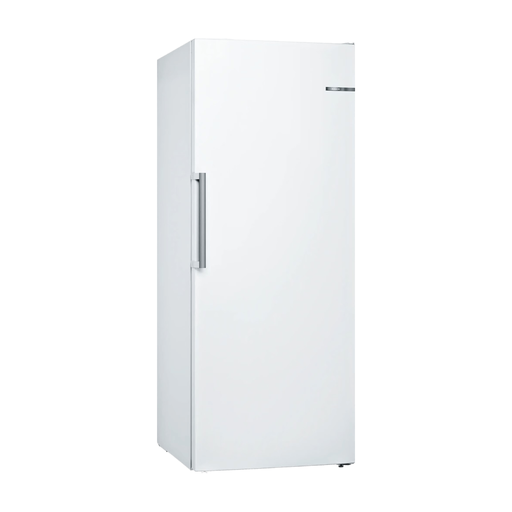
The stated freezing capacity can help you compare this model with a larger harvest. Check that you can also organise your tray and portions practically.
Capacity: 328 l. Freezing capacity: 23 kg/24 hours. Features listed: No Frost, Vario Zone and Big Box.
Check that this exact model can be set to at least -18 °C and that your chosen location is suitable.
 No image available
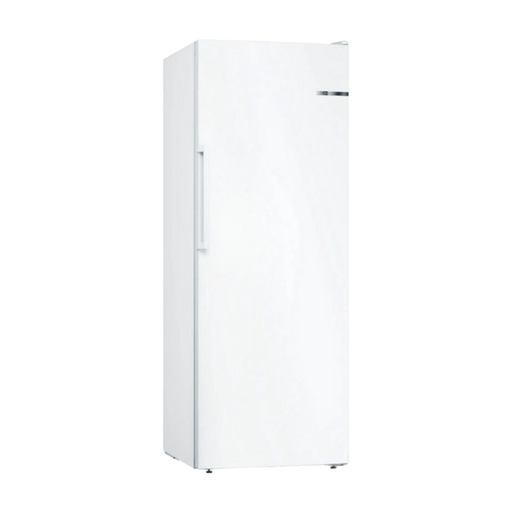
The stated capacity and layout give you a useful starting point for comparing this model with your harvest and family’s frozen food.
Capacity: 200 l. Freezing capacity: 16 kg/24 hours. Features listed: NoFrost, SuperFreeze, VarioZone and BigBox.
Check that this exact model can be set to at least -18 °C and that your chosen location is suitable.
 No image available
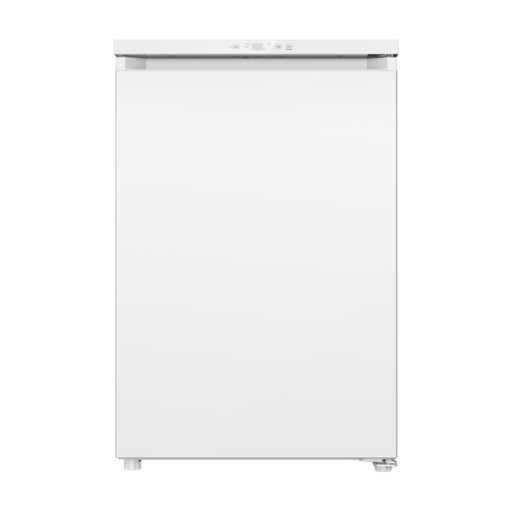
This under-counter model could be an option if you’re comparing compact appliances for a smaller daily harvest.
Capacity: 87 l. Freezing capacity: 5 kg/24 hours. Features listed: Fast Freeze and automatic defrosting.
Check that this exact model can be set to at least -18 °C and that a tray for the berries will fit inside.
 No image available
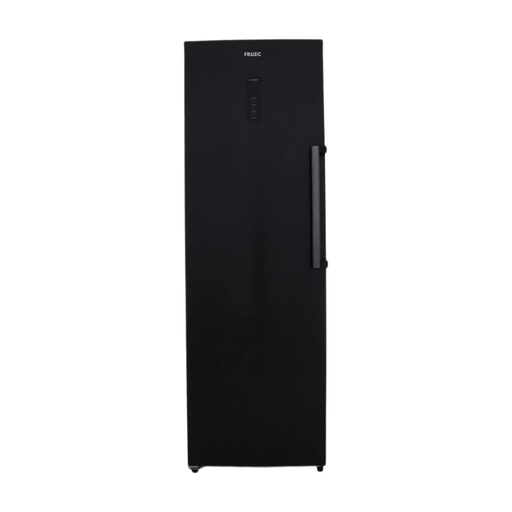
The stated freezing capacity can help you compare this model with a larger harvest and extra frozen food for the family.
Capacity: 274 l. Freezing capacity: 17 kg/24 hours. Features listed: No Frost and digital temperature control.
Check that this exact model can be set to at least -18 °C and that your chosen location is suitable.
 No image available
The stated capacity and three drawers are useful points of comparison if you’re looking for a compact way to store separate portions.
Capacity: 87 l. Freezing capacity: 4.4 kg/24 hours. Features listed: four-star rating and three transparent drawers.
Check that the usable space will fit your tray and that this exact model can be set to at least -18 °C.
Wash the berries, pat them dry and freeze them in a thin layer, for example on a tray. The Netherlands Nutrition Centre recommends storing them afterwards in an airtight container or freezer bag.
The Netherlands Nutrition Centre recommends a temperature of at least -18 °C and freezing berries in small portions. It says that freezer compartments with one or two stars don’t reach this temperature.
The Netherlands Nutrition Centre gives a freezer storage time of one year for redcurrants and 8–12 months for blackcurrants. Quality may decline after that; don’t assume these times apply to every type of berry.
Compare the permitted ambient temperature for the exact model with the temperature in that location. Liebherr states that the CFc 1875 FrostProtect can operate at temperatures as low as -15 °C; Bosch gives a climate class range for the GSN29VWEP that starts at +10 °C.
Compare the stated annual energy consumption in kWh of appliances with enough capacity; actual energy consumption may differ. In the Netherlands, statutory guarantees apply. According to the Dutch Government, if there’s a problem with a product, the retailer must provide a solution, not the manufacturer.