
Freezing portions
You want to store cooled crumble in small, well-sealed portions and first check whether your existing freezer compartment is up to the job. The Netherlands Nutrition Centre advises storing leftovers in well-sealed containers.


For a few sealed portions of cooled fruit crumble, you usually won’t need a separate appliance if your freezer compartment has enough room and can reach −18 °C. If that compartment is often too small, you could compare tabletop freezers by their internal dimensions and layout, the space available for installation and annual energy consumption. A larger upright or chest freezer is more suitable if you also regularly store other frozen food.
You want to store cooled crumble in small, well-sealed portions and first check whether your existing freezer compartment is up to the job. The Netherlands Nutrition Centre advises storing leftovers in well-sealed containers.
Your freezer space is often full, but you have room for just one compact extra appliance. Both the external dimensions and the size of the drawers determine whether your containers will fit.
You want extra freezer space, but also need to take annual energy consumption into account. Milieu Centraal advises choosing a suitable size and comparing energy use in kWh per year.
Choose this if: you freeze a few small portions now and then and have enough spare room.
The trade-off: you won’t need a second appliance, but the space available determines how many portions you can freeze at once.
Choose this if: your existing compartment is often full and you want to store portions separately.
The trade-off: models vary in external dimensions, drawer layout and energy consumption. An extra appliance will also use electricity continuously.
Choose this if: you regularly store other meals or groceries as well as crumble.
The trade-off: check whether the extra capacity suits your available space and the model’s annual energy consumption.
Choose this if: you also store large or unusually shaped items and have room for a freezer with a lid.
The trade-off: for small portions you take out frequently, drawers may be more practical. Compare the individual models.
If you’re considering a second freezer, key things to think about include whether your containers will fit in the drawers, where you’ll put the appliance and how much electricity it uses. The Netherlands Nutrition Centre advises storing frozen leftovers at −18 °C. The EU energy label shows, among other things, annual energy consumption and capacity.
| What to consider | What to check before buying | Which consumers this suits |
|---|---|---|
| Freezing safely and portioning | Check whether the freezer compartment can reach −18 °C and whether your containers fit in the compartment or drawers. | I want to store leftovers in small, sealed containers and take out one portion at a time; around 31% of consumers prioritise portion storage. |
| Suitable size | Measure the space where you’ll put the appliance and your containers. Also check the internal dimensions and drawer layout. | When living space is limited, I want to know whether both the appliance and my containers will fit; around 31% of consumers prioritise saving space. |
| Annual energy consumption | Compare the kWh per year shown on the EU energy labels of appliances that are the right size. | If I’m buying a second appliance, I want to take its energy consumption into account, even when it isn’t very full; around 23% of consumers prioritise energy use. |
| Organisation and defrosting | Check how many drawers the model has and whether it features NoFrost or needs to be defrosted manually. | I want to be able to find portions easily and spend as little time as possible on defrosting and maintenance; around 15% of consumers prioritise organisation and easy maintenance. |
Allow cooked crumble to cool, seal the portions well and put them in the fridge or freezer within two hours, advises the Netherlands Nutrition Centre. If you’re buying an extra appliance, also check that the installation instructions suit the space where you plan to put it.
An existing freezer compartment may be enough for a few portions, as long as there’s room and it can reach −18 °C.
First check the temperature, available space and dimensions of your sealed portions. Only then compare extra appliances.
The capacity in litres doesn’t tell you whether a container will fit in a drawer. External dimensions, internal dimensions and freezing capacity also describe different features.
Measure your containers and the space where you’ll put the appliance. Compare the drawer layout separately from the stated freezing capacity in kg per 24 hours.
An extra appliance uses electricity while it’s running. The EU energy label shows annual energy consumption in kWh.
Compare the annual energy consumption of models that fit your space, and first check whether your existing freezer space is already enough.
The VR550 is a tabletop model to compare if you want to store portions in drawers.
The FS166020 is a tabletop model to compare if you have limited width available.
The GTV15NWEB gives you a model to compare in terms of dimensions, capacity and freezing performance.
The FNdi 1624 is a tabletop model to compare if NoFrost is a factor in your decision.
These freestanding tabletop freezers are included to help you compare extra freezer space for a small household. Measure your containers and the space where you’ll put the appliance beforehand, and check the model’s annual energy consumption and maintenance instructions.
 No image available
A tabletop model to compare if you’re looking for extra space for portions; check that your containers and the space where you’ll put it are suitable.
Check which defrosting method applies to this version.
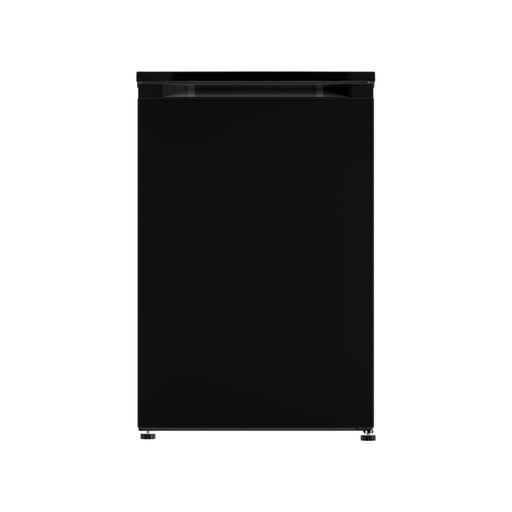 No image available
A tabletop model to compare if you’re looking for extra freezer space; check that the layout suits your crumble containers.
The product name states energy rating C and a capacity of 85 litres.
Check the defrosting and maintenance instructions before buying.
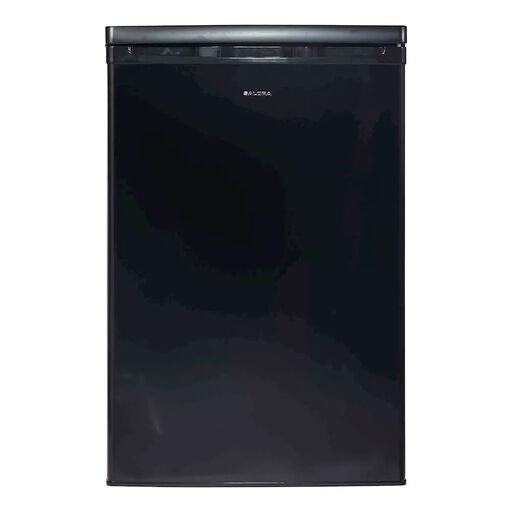 No image available
A freestanding model to compare if you’re looking for extra freezer space; check that its external dimensions suit the space where you’ll put it.
The product name states a capacity of 91 litres and a reversible door.
Check the temperature settings and maintenance instructions for this version.
 No image available
A compact tabletop model to compare if you have limited space; measure the containers you want to store, too.
The product name states a capacity of 60 litres.
Check the temperature settings and maintenance instructions before buying.
 No image available
A compact upright freezer to compare for storing individual portions; check that the compartments suit your containers.
The product name states a capacity of 60 litres, three compartments, adjustable temperature and a reversible door.
Put cooked leftovers in the fridge or freezer within two hours. Let them cool first, seal them well and, ideally, freeze them in small portions, advises the Netherlands Nutrition Centre.
For the general category of ‘leftovers’, the Netherlands Nutrition Centre recommends keeping them in the freezer for three months; after that, their quality may deteriorate. This isn’t a separately tested storage period or a guarantee that every fruit crumble recipe will retain its texture.
Choose a freezer compartment that can be set to −18 °C. According to the Netherlands Nutrition Centre, freezers with one or two stars cannot reach this temperature.
It varies by model. Liebherr lists NoFrost for the FNdi 1624, while Bosch states that the GTV15NWEB does not have NoFrost. Check the maintenance instructions for the version you’re considering.
The EU energy label shows, among other things, the freezer’s annual energy consumption and capacity. Milieu Centraal advises choosing a suitable size and comparing energy use in kWh per year.