You don’t necessarily need a separate freezer. Use your existing freezer space if it can freeze cooled curry portions, has enough room and can keep them at −18 °C or below. If there isn’t enough space, compare compact models by their drawer layout, annual energy consumption, freezing capacity and placement requirements. NoFrost can reduce the need for manual defrosting, but it isn’t essential for these portions.
Who is this choice relevant to?
A cook with limited freezer space
You want to store cooled curry in individual portions and need containers that will fit in your existing freezer or the drawers of a compact model. The Netherlands Nutrition Centre advises storing leftovers in sealed containers and labelling them with the date.
A single-person household keeping an eye on energy use
You’re considering an extra freezer, but want to weigh its annual energy consumption against the space you need. Milieu Centraal points out that annual energy use in kWh is an important factor when choosing.
Someone who batch-cooks and wants convenience and organisation
You regularly make portions and want to find them easily, with as little manual defrosting as possible. The Consumers’ Association describes NoFrost as a way to generally avoid manual defrosting. Inventum and Liebherr offer examples of models with different layouts and cooling technologies.
What should you look for when choosing?
For individual curry portions, an extra appliance only makes sense if your existing freezer space is insufficient or unsuitable for freezing fresh portions.
Use your existing freezer space
A good fit when: there’s enough room for your sealed containers and the freezer compartment can freeze the portions and keep them at the required temperature.
The trade-off: you won’t need a second appliance, but check that the compartment is suitable for freezing fresh portions.
Compact freestanding freezer
A good fit when: you want your own freezer space, with a clear layout for storing several portions.
The trade-off: drawers can help keep portions organised, but an extra appliance uses electricity and needs suitable space.
Compact NoFrost model
A good fit when: you need a separate freezer and want to reduce the need for manual defrosting.
The trade-off: compare capacity, external dimensions and annual energy use too. NoFrost alone doesn’t determine whether a model is right for you.
Larger upright or chest freezer
A good fit when: you regularly want to freeze larger quantities or other foods as well as curry.
The trade-off: if you’re only freezing single portions, don’t choose a larger capacity than you need. A chest freezer can be more practical for large or awkwardly shaped items.
The Netherlands Nutrition Centre recommends a freezer storage temperature of at least −18 °C. Also check whether the appliance can freeze fresh portions, how much you want to freeze at once and whether its stated placement requirements suit the space you have in mind.
| What to consider |
What should you check? |
Who is this important for? |
| Space for portions |
Measure your sealed containers and check the internal space, drawer layout and external dimensions. |
I want my containers to fit without taking up more freezer space than necessary; around 40% of consumers prioritise having enough room for suitable portions. |
| Energy consumption |
For appliances with sufficient capacity, compare annual energy use in kWh on the EU energy label. |
I don’t want to run an extra appliance with more capacity than I need; around 30% of consumers focus mainly on the energy use of additional freezer space. |
| Freezing and placement |
Check whether the appliance can freeze fresh portions, its freezing capacity and the permitted ambient temperature for the exact model. |
I want to know whether the appliance can really freeze my portions and keep them at −18 °C or below; around 20% of consumers prioritise suitability for freezing and placement. |
| Defrosting and organisation |
Compare the model’s cooling technology, drawer layout and maintenance instructions. |
I want to find portions quickly and avoid having to defrost manually on a regular basis; around 10% of consumers prioritise easy maintenance and an organised layout. |
Common buying mistakes
-
Confusing a storage compartment with one that can freeze fresh portions
A freezer compartment designed for food that’s already frozen isn’t automatically suitable for freezing fresh, cooled curry portions.
Check the freezing function and the stated capacity per 24 hours for the exact appliance. Compare that capacity with the amount you want to freeze at once.
-
Choosing a second freezer based on capacity alone
A larger or additional appliance isn’t necessarily needed for single portions, and it will use electricity on top of your existing appliances.
First check whether your existing freezer space is suitable. If it isn’t, compare the capacity you need with annual energy use in kWh.
-
Assuming any table-top freezer can go in a cold shed
The permitted ambient temperature varies from model to model, so the intended location may not be suitable for every appliance.
Compare the temperature of the space where you plan to put it with the limits specified by the manufacturer for that exact model.
Brands to consider
Inventum
The VR550 is a freestanding table-top model with three transparent drawers, making it easy to organise individual portions.
- Inventum states that the VR550 has a capacity of 88 litres, a D energy rating and a freezing capacity of 4 kg per 24 hours.
- This model doesn’t have NoFrost. Inventum specifies an ambient temperature of 10–38 °C for placement.
Bosch
The GTV15NWEB is a table-top model with three drawers and a stated fast-freeze function.
- Bosch states that this model has a capacity of 83 litres, a freezing capacity of 4.0 kg per 24 hours and annual energy use of 164 kWh.
- The GTV15NWEB doesn’t have NoFrost. These details apply to this model, not all Bosch freezers.
Liebherr
The FNe 1404 is a compact NoFrost freezer for anyone who wants to reduce the need for manual defrosting.
- Liebherr lists the FNe 1404 as having a capacity of 92 litres and NoFrost.
- The manufacturer says NoFrost means less defrosting. Also check the capacity, external dimensions and energy use of the exact model.
Beko
The FS166020 is a narrower static-cooling table-top model to consider if width is limited.
- Beko states that this model has a capacity of 65 litres, is 47,5 cm wide and has an E energy rating.
- The FS166020 uses static cooling. Before choosing, check the product specifications that matter for your intended location and use.
Compact freezers on Joybuy
This selection features compact, freestanding freezers for anyone looking for a separate space to store portions. For each model, check whether it can freeze fresh portions and keep them at −18 °C or below.
 No image available
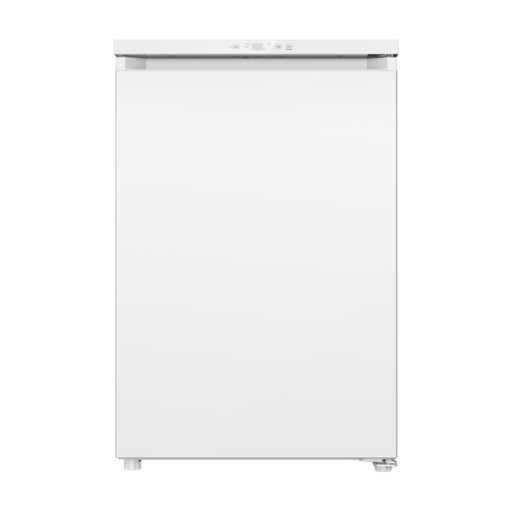
Frilec BREMEN138-NF-050DW
A freestanding table-top model for anyone considering NoFrost for a separate freezer. The product name lists a D energy label. Check the freezing capacity and whether the appliance can keep portions at −18 °C or below.
View at Joybuy
 No image available
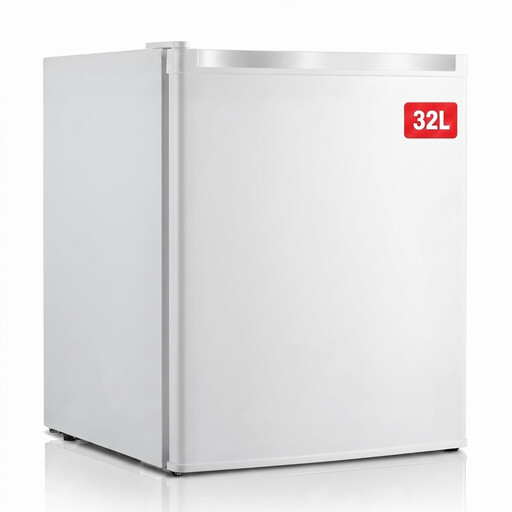
Mini freezer, 32 L
Compact freestanding freezer space for anyone short on room. The product name lists 32 L. Check whether the appliance can freeze fresh portions and keep them at −18 °C or below.
View at Joybuy
 No image available
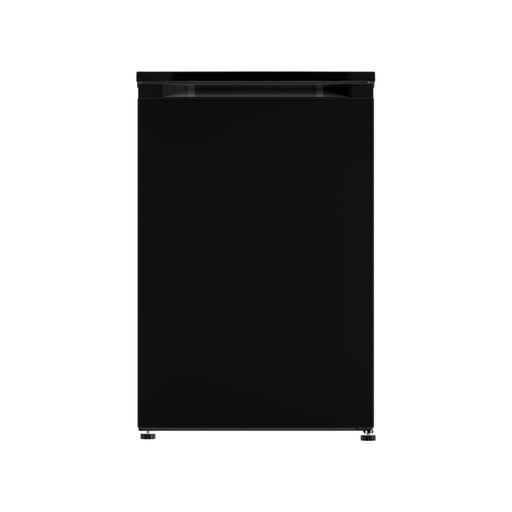
Exquisit GS581-051CB
A table-top model for anyone looking for separate freezer space. The product name lists a capacity of 85 litres and a C energy label. Check the freezing function, capacity and maintenance instructions for your needs.
View at Joybuy
 No image available
Frilec BREMEN132-040BW
A freestanding table-top model for anyone looking for extra freezer space. The product name lists a capacity of 87 litres and a B energy label. Check the freezing capacity and whether the model can keep portions at −18 °C or below.
View at Joybuy
 No image available
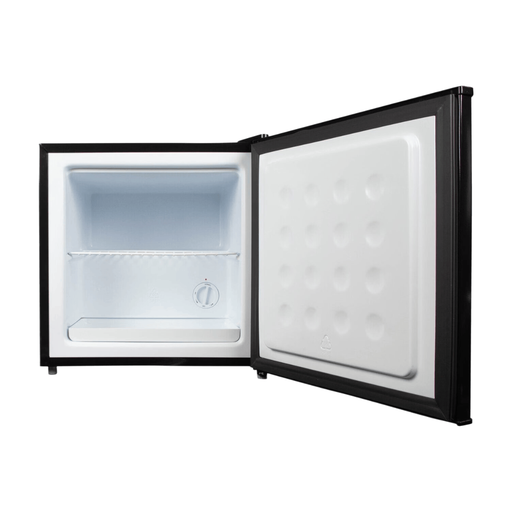
Salora FRB3200BL, 31 L
A compact freestanding freezer for anyone looking for a small, separate freezer space. The product name lists a capacity of 31 L and an A+ energy label. For energy use, compare the current EU energy label and annual consumption in kWh.
View at Joybuy
Frequently asked questions
How do you freeze cooled curry portions?
Divide the cooled curry between clean, sealed containers, label them with the date and use a freezer compartment that can freeze fresh portions. The Netherlands Nutrition Centre advises using frozen leftovers within three months and heating a defrosted portion thoroughly.
How do you defrost one portion of curry?
The Netherlands Nutrition Centre recommends defrosting a portion covered in the fridge where possible. You can also use the microwave. Stir the curry well while reheating.
Do you need to defrost a freezer without NoFrost yourself?
If ice builds up, you may need to defrost a model without NoFrost manually. The Consumers’ Association says a NoFrost freezer generally doesn’t need manual defrosting. Follow the instructions for your chosen appliance.
Which details on the energy label can you compare?
Compare annual energy use in kWh and the freezer capacity you need. The European Commission describes the current EU label as using a scale from A to G. The letter alone won’t tell you how much the appliance will cost to run in your circumstances.
What warranty applies to a freezer in the Netherlands?
In the Netherlands, you’re entitled to a product that meets reasonable expectations, but there’s no fixed statutory warranty period. According to the Dutch government, the retailer is your point of contact if the product doesn’t meet expectations. Any manufacturer’s warranty is in addition to this, not a replacement for it.


