
Family with lots of individual portions
Wants to store and find containers of different meals easily. Compares an upright freezer with drawers against the space already available in their current freezer. (Consumentenbond; Voedingscentrum)


Choose based on how many containers you want to store at once and how much space you have in your current freezer. An under-counter freezer may suit a small amount of extra storage, while an upright freezer with drawers makes individual portions easier to access. A chest freezer can be a good option if you also store large or awkwardly shaped items. Also compare freezing capacity, the energy label and whether the appliance is suitable for the place where you plan to put it.
Wants to store and find containers of different meals easily. Compares an upright freezer with drawers against the space already available in their current freezer. (Consumentenbond; Voedingscentrum)
Wants to store a few extra meals without making room for a large freezer. The capacity and freezing performance of an under-counter freezer are important considerations. (Inventum)
Freezes larger items as well as portions of curry, and has room for a chest freezer. The choice comes down to balancing storage space with how easy it is to reach smaller containers. (Consumentenbond; Liebherr Netherlands)
Best if: your sealed containers fit in your current freezer and you don’t need a large amount of extra storage.
Trade-off: you avoid adding a second appliance, but need to account for the space already taken up by other food.
Best if: you need a little extra freezer space and have a suitable spot for a compact appliance.
Trade-off: storage space and capacity for a large batch of food are more limited than with larger models.
Best if: you want to store lots of individual family portions and regularly freeze larger quantities at once.
Trade-off: an upright freezer is taller than an under-counter model. Also check that its layout suits your containers.
Best if: you want to store larger or awkwardly shaped items as well as portions, and have enough floor space.
Trade-off: small individual containers are less easy to reach than they are in an upright freezer with drawers.
| What to consider | What should you check? | Who should prioritise this? |
|---|---|---|
| Space for containers | Count and measure the containers you usually use, then compare them with the capacity in litres and the actual layout of the compartments. | If I want to store several family portions at once, I need to know whether my containers will actually fit. Around 36% of consumers say space for portion containers is their top priority. |
| Organisation and accessibility | Check whether your containers fit in the drawers or compartments, and note the contents and freezing date on each one. | If I want to find individual meals quickly, I look at how easy they are to separate and store. Around 29% of consumers prioritise keeping meal containers organised. |
| Freezing capacity | Estimate how much curry you usually freeze at once and compare it with the exact model’s stated capacity in kg per 24 hours. | If I’m adding a larger batch after cooking, I want to make sure it’s within the model’s specification. Around 21% of consumers prioritise freezing a large batch of food. |
| Energy use and installation location | Compare the annual energy consumption in kWh of suitably sized models, and check the permitted ambient temperature. | If I want to put the freezer in a shed or garage, the model needs to be suitable for that location; energy use matters too. Around 14% of consumers start by considering energy use and installation location. |
Capacity in litres tells you how much the freezer holds, but not whether your containers will fit in the compartments or how easy they are to reach.
Measure your containers and check the layout before comparing the capacity and annual energy use of suitable models.
Capacity in litres describes storage space; the stated freezing capacity in kg per 24 hours is a separate model specification.
Compare the amount you usually cook with the exact model’s freezing capacity, rather than looking at its storage capacity alone.
The Liebherr CFe 1870 is described as having SmartFrost and StopFrost, while Bosch specifies No Frost for the GSN36VWDG. These are different model features.
Check the exact features and maintenance instructions for the model you’re considering. A feature that reduces frost build-up doesn’t automatically mean you’ll never need to defrost the freezer manually.
The suitable ambient temperature varies by model, so the location may determine which freezer you can choose.
Compare the temperature at the intended location with the range specified by the manufacturer for the full model number.
Worth considering if you’re looking for a compact freestanding under-counter freezer with drawers.
A brand to include in your comparisons if you’re looking for a larger freestanding upright freezer with space for individual portions.
Worth considering if you’re thinking about a chest freezer for portions as well as larger or awkwardly shaped items.
Beko offers under-counter freezers, upright freezers and chest freezers to compare by size and storage type.
These product picks focus on freestanding upright freezers and an under-counter model for storing family portions and freezing larger batches.
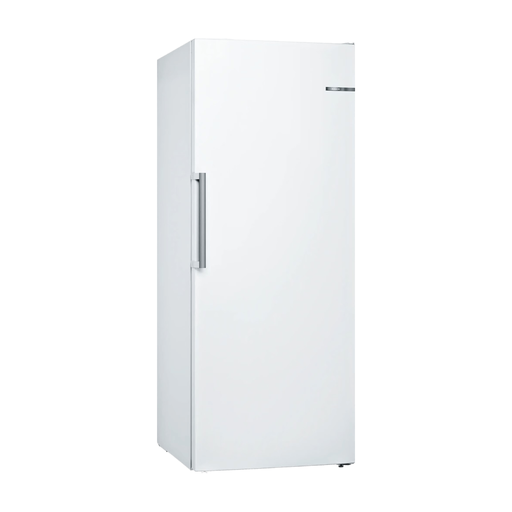 No image available
This freestanding upright freezer is an option for anyone looking to store lots of portions and freeze larger batches.
328 litres capacity; No Frost; energy class C; 170 kWh per year; stated freezing capacity of 23 kg per 24 hours; Vario Zone.
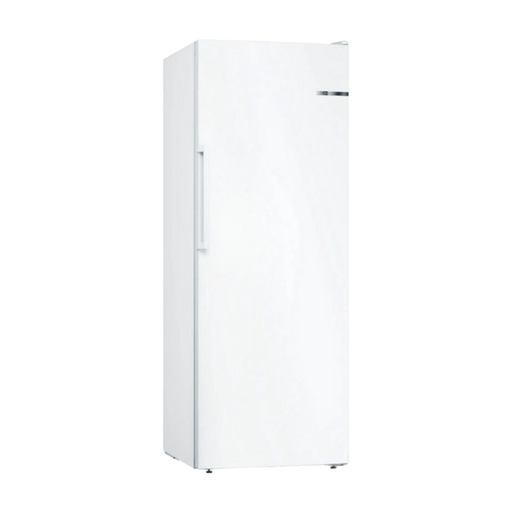 No image available
A freestanding upright freezer to compare if you want to store portions and need space for a larger batch.
200 litres capacity; NoFrost; stated freezing capacity of 16 kg per 24 hours; BigBox.
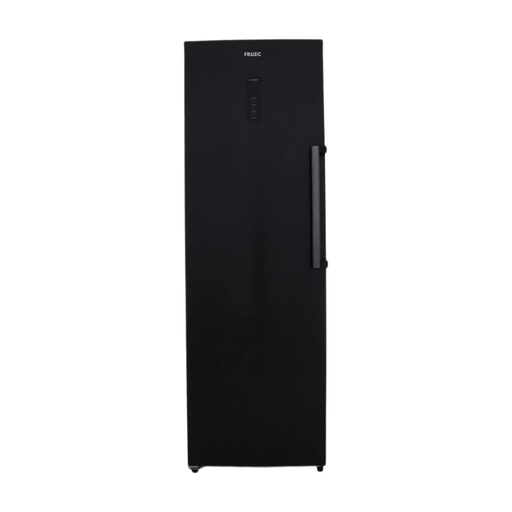 No image available
This freestanding upright freezer is worth comparing if you need space for portion containers and larger batches.
274 litres capacity; No Frost; energy class C; 157 kWh; stated freezing capacity of 17 kg per 24 hours. The stated height is 185 cm; check the available space.
 No image available
This freestanding freezer is worth comparing if you’re looking for extra space for portions.
122 litres capacity; four-star rating; stated freezing capacity of 5,5 kg per 24 hours; No-Frost; Multi-Airflow; energy class E.
 No image available
This under-counter model is an option if you need a little extra freezer space and want to keep portions organised.
87 litres capacity; three transparent drawers; energy class B; 84 kWh per year; stated freezing capacity of 4,4 kg per 24 hours. No No Frost; the product information recommends manual defrosting when a lot of frost has built up.
The Voedingscentrum recommends three months in the freezer as a guide for storing leftover meals; after that, the quality may deteriorate. Store the curry in a tightly sealed container, write the contents and freezing date on it, and divide the meal into portions you’ll need later.
The Voedingscentrum advises cooling hot leftovers quickly and putting them in the fridge or freezer within two hours of cooking. Don’t leave them out on the worktop for a long time.
The Voedingscentrum recommends defrosting leftovers in the fridge or microwave, heating them thoroughly and eating them straight away. It’s best not to refreeze a leftover meal that has already been frozen, reheated and left over again.
It depends on the exact model and the temperature in the garage. Inventum specifies an ambient temperature range of 10–38 °C for the VR550; for the CFe 1870, Liebherr specifies FrostProtect down to −15 °C. Check the model documentation before installing the appliance, and don’t assume that a feature of one model applies to another.
The EU energy label includes the energy class, annual consumption in kWh, capacity and noise level of household fridges and freezers. According to the European Commission, retailers must display the label and make the product information sheet available. This is an information requirement, not an obligation to choose a particular energy class.