
For cooks freezing small portions of herbs
You’ve brought home fresh herbs from the market and want to freeze them in small, sealed portions. Before considering another appliance, check whether your current freezer is suitable.


You don’t necessarily need a separate freezer for small, sealed portions of chopped herbs. First, use your existing freezer space if it’s suitable for freezing fresh herbs and can reach at least −18 °C. If you regularly run out of room, a compact under-counter model could suit a small kitchen and smaller portions. Consider a larger upright or chest freezer mainly if you also freeze bigger or bulkier food shops.
The Netherlands Nutrition Centre recommends finely chopping fresh herbs and freezing them in a sealed bag or container. Your freezer needs to be able to reach at least −18 °C for this method of storage.
You’ve brought home fresh herbs from the market and want to freeze them in small, sealed portions. Before considering another appliance, check whether your current freezer is suitable.
Your existing freezer is often full, but any extra appliance needs to be compact, with small portions easy to reach.
Alongside herbs, you freeze other groceries too, and are weighing up the easy access of an upright freezer against the storage style of a chest freezer.
Start by checking the temperature and spare space in your current freezer. If it’s not suitable, compare the capacity you need, the layout, annual energy consumption and maintenance requirements of suitable models.
| What to consider | What to look for when buying | Who is this important to? |
|---|---|---|
| Don’t buy more space than you need | Check whether your existing freezer can reach at least −18 °C and has enough space. If not, compare capacity and external dimensions. | If I only want to store small portions of herbs, I’ll first check whether my current freezer has room to spare. Around 36% of consumers prioritise using existing space or choosing a suitably compact model. |
| Finding portions and maintenance | Look at the layout, including drawers or baskets, and check whether each model has NoFrost. | If I want to find small bags or containers quickly and spend less time defrosting, I’ll pay attention to the layout and maintenance. Around 29% of consumers say this is their main buying consideration. |
| Ongoing electricity use | Compare the stated annual consumption in kWh of models with a suitable capacity. | If I’m going to run an extra appliance, annual electricity consumption will factor into my choice. Around 21% of consumers put this first. |
| Room for other groceries | Decide what else you want to freeze alongside herbs, then compare the layout and freezing capacity in kg per 24 hours. | If I also want to store larger market shops, I’ll consider whether a larger upright or chest freezer would be more practical. Around 14% of consumers prioritise this extra storage space. |
You can store small portions of chopped herbs in suitable existing freezer space, so you don’t automatically need another appliance for this.
First, check that your freezer can reach at least −18 °C and has room for sealed bags or containers.
Inventum describes the VK562W as a Low Frost chest freezer that still needs defrosting from time to time. Maintenance requirements vary by model.
Check the defrosting technology of the exact model before making your choice.
The energy label also shows annual energy consumption and capacity. The energy class alone won’t tell you how many kWh a suitable appliance uses per year.
First compare models with a suitable capacity, then compare their stated annual consumption in kWh.
The VR550 is an under-counter model with drawers, while the VK562W is a chest freezer. These models show how the layout and storage style can vary.
The Bosch GTV15NWEB is a compact under-counter model to consider if you’re short on space.
The Liebherr FNe 1404 is a compact under-counter model for anyone looking for NoFrost in this size.
The AEG AGB332E2NW is a larger freestanding upright freezer for storing more than just small portions of herbs.
These models are suited to anyone looking to add an under-counter or chest freezer to their existing freezer space, whether for compact portions or a wider range of groceries.
 No image available
An option to consider if you’re looking for a freestanding under-counter model with No Frost for herb portions and other small amounts of food.
Energy class D.
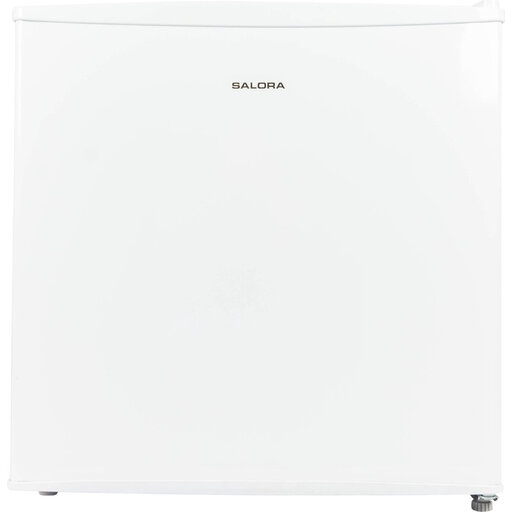 No image available
This could suit you if you’re looking for a compact freezer. Check in advance that 31 l is enough and that the model can reach the required temperature.
Capacity: 31 l.
 No image available
A chest freezer could be a good fit if you want to store a wider range of groceries as well as herbs. Small portions may be less easy to reach than in an upright freezer with drawers.
Capacity: 99 l. Energy class E. Removable basket.
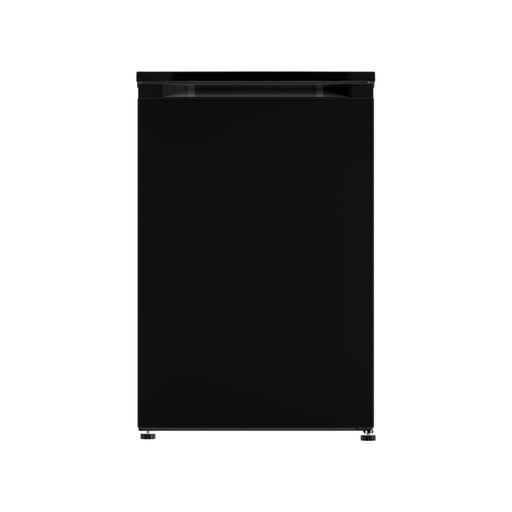 No image available
An under-counter model to consider if you want to keep portions separate; bear in mind that it needs to be defrosted manually.
Capacity: 85 l. Energy class C.
 No image available
An under-counter model to consider if you want to store small portions separately; bear in mind that it may need to be defrosted manually.
Capacity: 87 l. Energy class B.
Finely chop the herbs and freeze them in a sealed bag or container. The Netherlands Nutrition Centre recommends using them without defrosting them first.
Not for the storage method described here. The Netherlands Nutrition Centre recommends a temperature of at least −18 °C and says that one- and two-star freezer compartments can’t reach this temperature.
Measure the available space and follow the installation instructions for your chosen model. AEG support says that freezers without NoFrost need to be defrosted manually on a regular basis. Check the door seal too.
Compare the stated annual kWh on the energy labels of models with a suitable capacity. Without knowing your electricity tariff, you can’t work out the cost in pounds from this figure alone. If an appliance you’ve bought develops a fault, the Dutch government advises contacting the seller to find a suitable solution, such as a repair or replacement.
For household freezers covered by EU rules, the energy label must be clearly visible at the point of sale, including online. The Dutch government says that when a private customer buys a new, similar appliance, the seller must take the old one back free of charge under the described old-for-new scheme, either by drop-off or collection.