
The batch cook
You freeze cooled lentil stew in individual containers and want to know how much you can add at once without affecting your existing stock. The Voedingscentrum advises storing leftovers in sealed containers.


You don’t need a separate freezer if you can set your existing freezer space to at least −18 °C and have enough room for your sealed portions. According to the Voedingscentrum, one- and two-star freezer compartments do not reach this temperature. If you regularly run out of space, compare the amount you freeze at a time with the stated freezing capacity, and also consider the space available, annual energy consumption and maintenance.
You freeze cooled lentil stew in individual containers and want to know how much you can add at once without affecting your existing stock. The Voedingscentrum advises storing leftovers in sealed containers.
You want extra freezer space, but first need to weigh up the external dimensions and the space available. The Consumentenbond points out that a tall freezer, especially one with drawers, is easier to access than a chest freezer.
You want an appliance that suits the amount of food you store, and compare its annual energy consumption and maintenance. Milieu Centraal advises checking a freezer’s energy consumption in kWh per year.
The Voedingscentrum advises using freezer space that can be set to at least −18 °C. If you’re considering an additional appliance, also compare the number of portions you freeze at a time, the space available and the stated annual energy consumption.
A good fit if: you can set the freezer space to at least −18 °C and your sealed containers fit.
The trade-off: you won’t need to make room for or power another appliance, but space and freezing capacity may be limited. The Voedingscentrum says that one- and two-star freezer compartments do not reach the recommended temperature.
A good fit if: you regularly need extra space for individual portions and the model fits in the spot you’ve measured.
The trade-off: capacity and freezing performance vary by model. An additional appliance uses electricity, and models without No Frost need defrosting when ice builds up. Milieu Centraal advises comparing the annual energy consumption of suitable models.
A good fit if: you regularly store plenty of other food as well as lentil stew and need extra storage space.
The trade-off: the Consumentenbond says a tall freezer offers more usable space on average than an under-counter model, but you’ll need more height. Compare the annual energy consumption of the specific model.
A good fit if: the shape of your stored food and the space available suit a model with a lid.
The trade-off: according to the Consumentenbond, a tall freezer is easier to access than a chest freezer, especially if it has drawers. Think about how you’ll find small containers.
| What to consider | What to look for | Who is this most relevant to? |
|---|---|---|
| Portions per freezing cycle | Check that the freezer space can be set to at least −18 °C, then compare the amount you add in a day with the stated freezing capacity in kg/24 hours. | When I add several containers after a day of cooking, I want to know how much the freezer can handle. Around 36% of consumers put freezing capacity for portions at the top of their list. |
| Space and accessibility | Measure the height, width and depth, and check there’s room for the door to open. Then compare the capacity and drawer layout. | In a small kitchen, I want to be able to open the door and reach the containers without the appliance blocking the walkway. Around 29% of consumers say a suitable size and easy access are their main buying considerations. |
| Energy consumption | Compare the energy consumption in kWh per year on the energy label of models with a suitable capacity. | If a freezer is always on, I don’t want an unnecessarily large model for just a few portions. Around 21% of consumers prioritise the energy consumption of extra freezer space. |
| Defrosting | Check whether the exact model has No Frost, and allow for manual defrosting if it doesn’t. | When storing small portions, I want to minimise the need for manual defrosting. Around 14% of consumers prioritise low maintenance. |
Capacity in litres tells you how much food the freezer can store; freezing capacity tells you how much food the appliance can freeze in 24 hours.
Compare these two specifications separately with the number of containers you have and the amount you add on a single day of cooking.
If your existing freezer space can be set to the recommended temperature and has enough room, you may not need an additional appliance. A separate freezer also takes up space and uses electricity.
First check the temperature setting and the space available. Only then compare specific appliances and their annual energy consumption.
The permitted ambient temperature varies by model, so an unheated shed or garage isn’t automatically a suitable place to install one.
Measure the temperature at the location and check the operating limits for the exact model you’re considering.
No Frost relates to ice build-up and defrosting; the recommended temperature for storing the stew is a separate consideration.
Check separately that the freezer space can be set to at least −18 °C, and decide whether you want to avoid manual defrosting.
The details below apply to the models named and are provided by the respective manufacturers; they are not a general assessment of each brand.
The VR550 is a freestanding under-counter model with drawers for keeping portions separate.
The VV856WIT is a freestanding under-counter model with three drawers.
The FS166020 is a freestanding under-counter model to consider if you have limited width.
The FNe 1404 is an under-counter option if No Frost is important to you.
The GTV15NWEB is an under-counter model with drawers and a stated SuperVriezen function.
These freestanding under-counter models and tall freezers offer options for storing small meal portions separately. Compare their capacity, dimensions and features with your own freezing needs.
 No image available
A freestanding under-counter model to compare if you freeze several portions in one day.
 No image available
The three drawers can help you organise individual portions. Check that the exact model can be set to at least −18 °C.
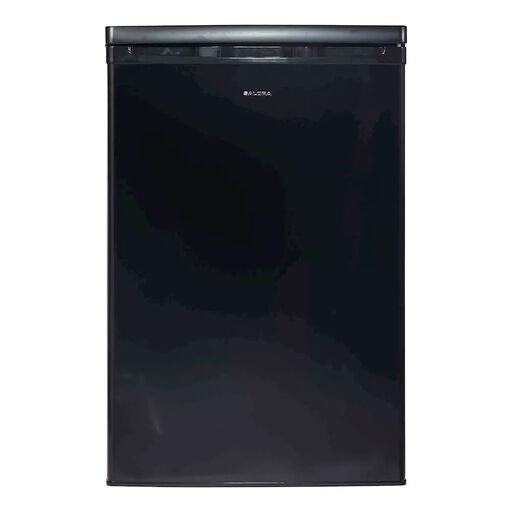 No image available
A freestanding freezer with four drawers for storing portions separately; the temperature settings include −18 °C.
 No image available
A compact under-counter model with three drawers for storing portions separately; the temperature settings include −18 °C.
 No image available
A tall freezer with a convertible fridge mode to consider if you want to store other food as well as meal portions.
Divide the cooled stew between sealed containers, label them with the date and use freezer space that can be set to at least −18 °C. This follows the Voedingscentrum’s advice on storing leftovers.
The Voedingscentrum advises keeping meal leftovers in the freezer for three months. Write the date on the container so you know when you froze it.
Compare the amount you add in a day with the model’s stated freezing capacity in kg/24 hours. Capacity in litres measures storage space and doesn’t replace this check.
Only if the ambient temperature is within the operating limits of that exact model. Measure the temperature at the location and check the climate class and the manufacturer’s installation requirements.
Compare the energy rating and stated annual energy consumption in kWh with the capacity of models that suit the amount of food you store. The European Commission also lists storage volume and noise emissions as information shown on freezer energy labels.