
Resident without their own freezer compartment
Wants to store sliced bread in clearly identified portions and needs to decide whether the shared freezer has enough room or whether they need their own appliance.


First, check whether you can store sliced bread in portions in the freezer you already have. A second appliance isn’t automatically the most economical option for extra storage. If you need your own freezer space, compare the external dimensions and layout with the amount you want to store, and check the annual energy consumption and noise level too. NoFrost can reduce the need for manual defrosting, but whether it’s worthwhile depends on the specific model and who is responsible for maintenance.
Wants to store sliced bread in clearly identified portions and needs to decide whether the shared freezer has enough room or whether they need their own appliance.
Has room for a compact appliance at most and needs to weigh its external dimensions, door clearance and layout against the amount of bread they want to store.
Wants to agree in advance how to split the electricity costs, what level of noise is acceptable and who will maintain the freezer.
Choose this if: there’s room for clearly labelled portions of bread and your housemates are happy to share the space.
The trade-off: you avoid adding another appliance, but you’ll need to agree on access and organisation.
Choose this if: you need your own freezer space and the model fits the area available.
The trade-off: compare the dimensions, capacity, kWh per year and noise level; these models don’t offer the convenience of NoFrost maintenance.
Choose this if: reducing the need for manual defrosting matters to the people who will use the appliance.
The trade-off: also check the capacity, dimensions, noise level and annual energy consumption; the feature alone won’t determine whether a model is right for you.
| What to consider | What should you check? | Who is this important for? |
|---|---|---|
| Dedicated space for bread portions | Measure the space available and the appliance’s external dimensions; check that the bread packaging will fit in the drawers. | I want to find my portions easily and not depend on a full shared freezer. Around 36% of consumers prioritise having their own storage space above all else. |
| Energy consumption | Compare the kWh per year shown on the energy label of models with a suitable capacity. Actual consumption also depends on use and location. | If I’m considering an extra appliance, I want to know how much it will add to annual consumption and how we’ll split the costs. Around 29% of consumers put energy consumption first. |
| Noise | Compare the stated noise level and consider where the freezer will go; a dB figure won’t tell you exactly how noisy it will seem in that spot. | If the kitchen is close to where I live or sleep, I want to take noise into account before agreeing on a location. Around 21% of consumers consider keeping things quiet their top priority. |
| Defrosting and maintenance | Check whether the exact model has NoFrost, and agree on who will keep track of the contents and defrost the appliance if necessary. | I want to make sure maintenance responsibilities are clear in a shared kitchen. Around 14% of consumers give top priority to minimising the need for defrosting. |
The Voedingscentrum recommends freezing bread in portions as soon as possible after buying it, then taking out what you need. If you’re considering a second appliance, check whether the extra capacity is worth the additional energy consumption too; Milieu Centraal points out that two refrigeration appliances use more energy combined than one large appliance.
If your portions of bread fit in the freezer you already use, you may not need another appliance.
First, check how much space is available and agree on how to keep your portions clearly labelled. Only then compare suitable models by their kWh per year.
Capacity in litres won’t tell you whether bread packaging will fit in the drawers. The energy label also gives annual energy consumption and noise information.
Compare the label and external dimensions of the exact model, and check whether its layout suits what you want to store.
Less manual defrosting won’t automatically resolve questions about available space, energy consumption, noise or how responsibilities are shared.
Agree on who will take care of maintenance, and compare NoFrost and static models using their individual specifications.
The VR550 is a tabletop model with a capacity of 88 litres, designed for anyone looking for a separate freezer with drawers.
The GTV15NWEB is an 83-litre tabletop model with published energy consumption and noise figures.
The FNe 1404 Pure NoFrost is a 92-litre tabletop model for anyone weighing up a compact size against less manual defrosting.
According to Beko, the FS166020 is a freestanding 65-litre tabletop model for anyone who mainly needs to check the available width.
This selection includes freestanding freezers with a range of capacities and layouts. Compare the space available and the amount of bread you want to store with each model’s features.
 No image available
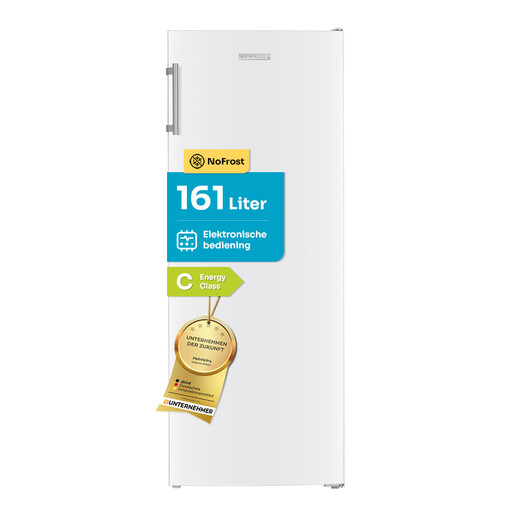
The capacity and drawer layout may suit anyone looking for dedicated space for several portions of bread; check the space available first.
161 litres; energy class C; No-Frost; reversible door hinge.
 No image available
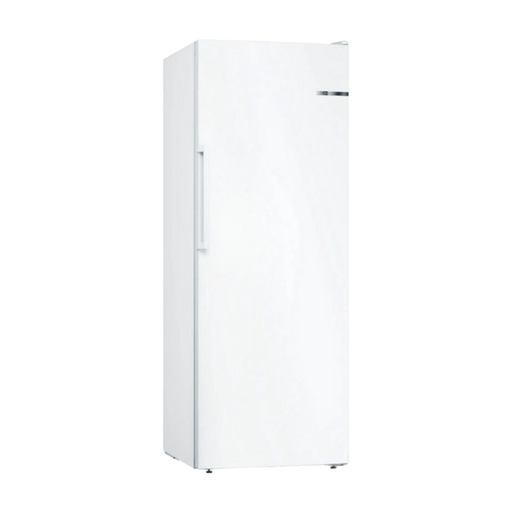
The described drawer layout gives you options for storing food separately; check that the larger freezer will fit in your shared kitchen.
200 litres; NoFrost; VarioZone drawer and BigBox.
 No image available
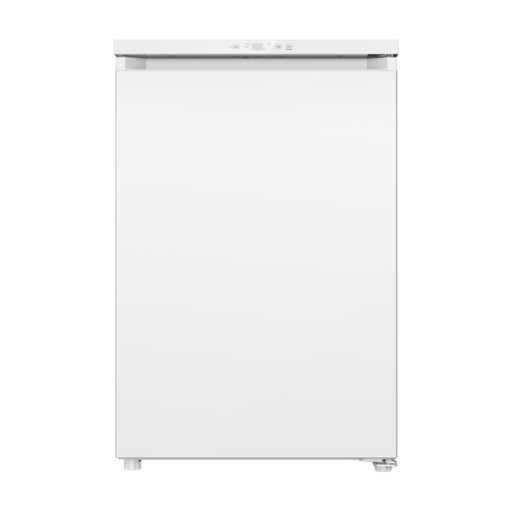
This tabletop model may suit you if you’re looking for your own freezer space; measure the available area before comparing its capacity with what you want to store.
87 litres; No-Frost; 35 dB; energy class D.
 No image available
The included storage basket can help you organise your food; check that the capacity and layout will work in your shared space.
98 litres; energy class E; storage basket; adjustable temperature control.
 No image available
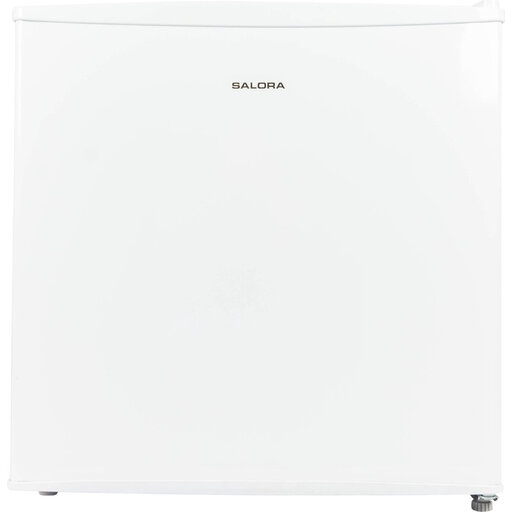
Its limited capacity may suit a small additional freezer space; check that it can hold enough bread and that the layout works for you.
31 litres; two compartments with a divider shelf; adjustable thermostat; reversible door opening.
The Voedingscentrum recommends freezing bread in portions as soon as possible after buying it, then taking out what you need. If you share a freezer, agree on how to label the portions so everyone knows whose they are.
No, it depends on the model. Check the external dimensions and installation instructions, and measure the space available. Inventum lists a removable top for the VR550; this isn’t a standard feature of all tabletop models.
Compare the stated kWh per year on the energy labels of models with suitable dimensions and capacity. To estimate your own costs, multiply that figure by your applicable price per kWh; actual consumption may vary depending on use and location.
Yes. For a domestic freezer covered by the applicable EU energy labelling rules, the retailer must display the label provided by the supplier and make the product information sheet available, including online. This is a requirement for offering the product for sale; it doesn’t mean you have to choose a particular energy class.