Choose a freezer based on the weight of the sauce you want to freeze in 24 hours, and check that your containers will fit in the available space and compartments. An under-counter model may suit smaller batches; an upright freezer offers drawers, while a chest freezer needs a different storage arrangement and enough floor space. Cool the sauce quickly and freeze it in small portions: extra freezer space does not make careless storage safe.
Who is this buying guide for?
Cook preparing a large batch of sauce
You’re making the sauce in advance and want to know whether the quantity you plan to freeze is within the stated freezing capacity per 24 hours. Compare the amount you’ll freeze in a day with the manufacturer’s specifications for the model.
Portion planner with limited space
You want to find containers for different diners easily, but have little room for an extra appliance. Check both the external dimensions and the layout: drawers and chest freezers offer different ways to store portions.
User with an unheated storage room
You want to put the freezer somewhere other than your heated kitchen. Measure how cold the room gets and compare this with the climate class and the details for the exact model.
What should you consider when choosing?
First, compare the amount you want to freeze in one day with the stated freezing capacity. Then check whether your portions will fit, where the appliance can go, and how much electricity and maintenance the size you choose will require.
| What to consider |
What should you check? |
Who should pay particular attention? |
| Freezing a day’s batch |
Compare the weight of your batch of sauce with the stated freezing capacity in kg/24 hours. Check the capacity in litres separately. |
If you make a large batch of sauce in advance, you’ll want to know whether it’s within the model’s stated capacity. Around 36% of consumers prioritise freezing a day’s batch. |
| Space and layout |
Measure the available space and check the net capacity, compartments and clearance needed to open the door or lid. |
If you want to organise several containers but have little room, check both the external dimensions and the layout. Around 29% of consumers prioritise a suitable space and an organised way to store portions. |
| Electricity and maintenance |
Compare the stated annual energy consumption in kWh for appliances of a suitable size. Also check whether the model has No Frost or needs to be defrosted manually. |
If you’re adding a freezer alongside an existing appliance, you won’t want to choose a larger size than you need, and you’ll want to compare annual energy consumption. Around 21% of consumers prioritise running costs and maintenance. |
| Positioning in a cold room |
Measure the lowest ambient temperature and compare it with the climate class and any additional information for the exact model. |
If you want to put the freezer in an unheated storage room, check whether the measured temperature is suitable for the appliance. For around 14% of consumers, whether the appliance will work in the intended location is their main concern. |
Things to consider when buying
-
Confusing capacity with freezing capacity
A spacious freezer can store a lot, but its capacity in litres doesn’t tell you how much fresh sauce it can freeze in 24 hours.
Weigh the amount you plan to freeze in a day and compare it with the stated capacity in kg/24 hours. Divide the sauce into small portions.
-
Assuming a cold shed is automatically suitable
An unheated space can get colder than the standard range for the climate class. Additional information about use at lower temperatures only applies if it’s provided for the exact model.
Measure the minimum temperature where you plan to put the appliance and check the product specifications for that model.
-
Choosing a large freezer for one meal without considering energy use
An extra appliance takes up space and uses electricity whenever it’s switched on, even if you use it less intensively after the meal.
First, choose a size that suits your portions and the freezer space you already have. Then compare the stated annual energy consumption in kWh.
-
Assuming a similar model number means it’s the same product
A nearly identical model code doesn’t prove that the specifications and product features are the same.
Check the full model number and product documentation before assuming that features of one model apply to another.
Brands to consider
Inventum
The models listed highlight the difference between an upright freezer with drawers and a larger chest freezer.
- Inventum states that the VR1430W has a capacity of 161 litres, No Frost and a freezing capacity of 12 kg/24 hours.
- Inventum states that the VK1300 has a capacity of 384 litres and a freezing capacity of 18,1 kg/24 hours, but it is no longer available.
Bosch
The GTV15NWEB and GSN54DWCV illustrate the difference between a compact under-counter model and a larger upright freezer.
- Bosch states that the GSN54DWCV has a capacity of 328 litres, No Frost and a freezing capacity of 23 kg/24 hours; the GTV15NWEB has a capacity of 83 litres and a freezing capacity of 4 kg/24 hours.
- The GSN54DWCV was temporarily out of stock in the Bosch online shop. This doesn’t tell you about stock at other retailers.
ETNA
The VV856WIT is a compact under-counter model with drawers for storing individual portions.
- ETNA states that this model has a capacity of 85 litres, three drawers and a freezing capacity of 4 kg/24 hours.
- The VV856WIT doesn’t have frost protection or FastFreeze. These features apply to this model and not automatically to other ETNA freezers.
Beko
The CF200EWN is a 198-litre chest freezer for anyone considering a chest-style layout.
- Beko lists energy class E and static cooling for the CF200EWN.
- Before deciding whether this model is suitable, compare its stated freezing capacity with the amount you plan to freeze in a day.
Freezers at Joybuy
These product options are for people who want to freeze extra portions of pasta sauce, with freestanding freezers and a range of chest freezer options.
 No image available
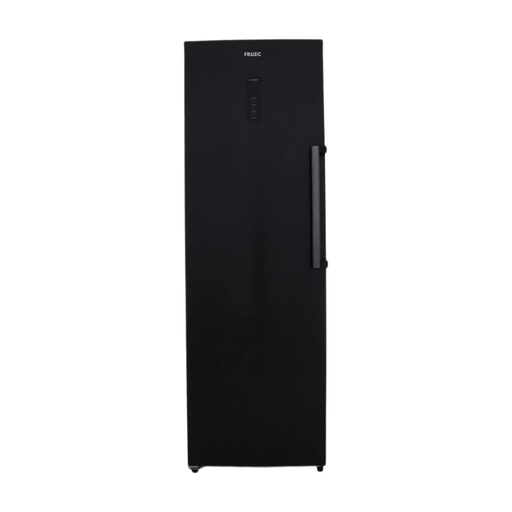
Frilec BREMEN295-NF-H-040CDI
An option for anyone looking for extra space for portions of sauce and considering a freestanding model.
274 litres; energy class C; No Frost; digital display.
View product
 No image available
AUCMA 291-litre chest freezer
A chest freezer option for anyone who wants to store containers of sauce alongside other frozen food.
291 litres; switchable between fridge and freezer modes; energy class E; removable basket.
View product
 No image available
CHiQ JR99DWE chest freezer
A more compact chest freezer option for anyone looking to store a smaller batch of sauce.
99 litres; 4-star freezer compartment; energy class E; wire basket.
View product
 No image available
CHiQ JR122WSD freezer
A freestanding model for anyone who wants to freeze portions and would find a switchable fridge mode useful.
122 litres; 4-star freezer compartment; switchable fridge mode; No Frost; energy class E.
View product
Frequently asked questions
How can you stop pasta sauce being left unrefrigerated for too long?
Cool the sauce quickly, divide it into small portions and store them in airtight containers. According to the Voedingscentrum, leftovers should be put in the fridge or freezer within two hours of cooking. Set the freezer to at least −18 °C and don’t freeze too many portions at once.
Can you defrost the sauce on the worktop and then reheat it?
It’s better to defrost the sauce in the fridge or microwave than on the worktop. Then heat it thoroughly until piping hot, stirring well. It’s best not to refreeze leftovers that have already been reheated.
How long can pasta sauce be kept in the freezer?
For pasta sauce without meat, the Voedingscentrum recommends three months; after that, the quality may deteriorate. This advice doesn’t automatically apply to every homemade sauce containing other ingredients.
What should you consider if the freezer is going in an unheated room?
Measure the lowest ambient temperature in the intended location and compare it with the climate class and any additional information for the exact model. Also check whether the appliance needs to be defrosted manually.
Do you need a HACCP plan for a community meal?
It depends on the situation: the description ‘community meal’ alone doesn’t make it clear whether this is private hospitality or food sales. The NVWA describes a food safety plan or hygiene code for food businesses and says a plan is compulsory for anyone who sells food several times a year. So first establish whether the meal counts as food sales or catering.


