For a single weekend lunch, an extra freezer may not be necessary: first check whether your existing freezer has room for the sealed portions. If you regularly freeze extra meals, choose a freezer based on the space available, its drawer layout and its stated energy consumption in kWh per year. An under-counter freezer, tall freezer, chest freezer or integrated model may suit different needs. Cool the stew quickly and put it in the fridge or freezer within two hours, advises the Netherlands Nutrition Centre.
Which type of freezer space is right for you?
Cooking a few portions for lunch
You want to store chilled lentil stew for a weekend lunch and first check whether your current freezer has enough room. The Netherlands Nutrition Centre advises storing leftovers in sealed containers and labelling them with the date.
Keeping a regular supply of meals
You freeze meals regularly and want to store and find portion-sized containers easily. A freezer with drawers can make the contents more accessible, according to the Dutch Consumers’ Association.
Buying for a small space or fitted kitchen
The available floor or cupboard space determines which type of freezer will fit. For an integrated model, the niche dimensions and door system are important things to check.
What should you consider when choosing?
Use your existing freezer
Right for you if: there’s room for the sealed portions and you don’t want to keep extra meals in stock regularly.
Trade-off: you’re limited by the space available and how easy it is to reach the portions, but you don’t automatically need a second appliance just for this lunch.
Freestanding under-counter freezer
Right for you if: you regularly freeze a few extra portions and have space for a compact appliance with drawers.
Trade-off: an under-counter freezer takes up less room than a tall freezer, but it also offers less storage space.
Tall freezer
Right for you if: you store lots of other meals as well as lunch portions and want to use several drawers.
Trade-off: the extra storage space takes up more room; compare the stated annual energy consumption of the exact models you’re considering.
Chest freezer
Right for you if: you mainly store large quantities or awkwardly shaped items.
Trade-off: for individual lunch containers, a chest freezer can be harder to search than a freezer with drawers, according to the Dutch Consumers’ Association.
Integrated freezer
Right for you if: you want to make use of an existing, suitable space in your kitchen.
Trade-off: check both the niche and appliance dimensions, and make sure you know which door system you need.
| What to consider |
What should you check? |
Who should pay closest attention? |
| Room for portions |
Count how many containers you want to store at once and check the usable drawer dimensions; capacity in litres alone won’t tell you whether your containers will fit. |
If I mainly need space for a few sealed lunch containers, I want to know whether they’ll fit in the drawers and be easy to find. Around 36% of consumers say suitable space for portions and layout are their main concern. |
| Location and surroundings |
Measure the available space and, for an integrated model, check the niche dimensions and door system. If you’re considering a shed or garage, check the permitted ambient temperature for the exact model. |
If my kitchen or utility room has limited space, the appliance needs to fit there and be suitable for the temperature in that location. Around 29% of consumers are most concerned about placement and ambient temperature. |
| Energy consumption |
Compare the stated energy consumption in kWh per year and the current energy label for the exact models. The current scale runs from A to G; Energielabel.nl states that this scale has applied since 1 March 2021. |
If I leave an extra freezer running all the time, I want to consider its annual energy consumption as well as the capacity I need. Around 21% of consumers say energy consumption is their main concern. |
| Layout and defrosting |
Check the drawer layout and technology listed for the full model number. NoFrost and LowFrost are different terms and don’t necessarily mean the same thing when it comes to maintenance. |
If I want to find portions quickly and spend less time defrosting, I look at the drawers and the stated Frost technology. Around 14% of consumers prioritise maintenance and accessibility. |
Common pitfalls
-
Buying an extra freezer for just a few lunch containers
If your existing freezer has enough room, a second appliance won’t automatically offer a practical benefit for such a limited purpose.
First count how many containers you actually want to store at once, then compare the layout and stated energy consumption in kWh per year.
-
Comparing an old A++ label directly with a current energy label
Since 1 March 2021, fridges and freezers have used a revised A-to-G scale, according to Energielabel.nl. This means the old plus ratings aren’t directly comparable with the current letters.
Compare the current label rating and, above all, the stated annual energy consumption of the exact models.
-
Assuming Frost technology and installation requirements are the same for every model
The stated Frost technology and permitted ambient temperature vary by model. An unheated shed may be outside the operating range of a particular freezer.
Check the documentation for the full model number and measure the temperature where you plan to put it. The Dutch Consumers’ Association advises taking the temperature into account when placing an appliance in a cold space.
Brands to consider
Bosch
The GTV15NWEB is a freestanding under-counter model to consider if you’re looking for a little extra freezer space.
- Bosch Netherlands lists the freezer capacity of this model as 83 litres.
- The stated energy rating is E and the model doesn’t have NoFrost; these details apply specifically to the GTV15NWEB.
Liebherr
The FNe 1404 Pure is an under-counter model to consider if you’re looking for a compact freezer with NoFrost.
- Liebherr lists this model as having a capacity of 92 litres, NoFrost and a noise level of 37 dB.
- These details are the manufacturer’s specifications for the FNe 1404 Pure, not the result of an independent comparative test.
Inventum
The VR600/03 is a freestanding under-counter model with three drawers to consider for storing portions regularly.
- The Dutch Consumers’ Association lists the manufacturer’s stated capacity for the VR600/03 as 98 litres, with an energy rating of D and LowFrost.
- The stated ambient temperature range for this model is 10 to 43 °C. The VR550 is a different model; don’t treat the two as interchangeable.
AEG
The NAB6L88EF is an integrated option if you already have a suitable space in your kitchen.
- AEG lists this model as having a capacity of 98 litres, LowFrost and installation dimensions of 880 × 560 × 550 mm.
- Check the niche dimensions and door system before choosing a model.
Freezers for extra portion storage
These compact freestanding freezers offer extra room for portions. Compare their capacity, layout, dimensions and stated annual energy consumption with what you actually want to store.
 No image available
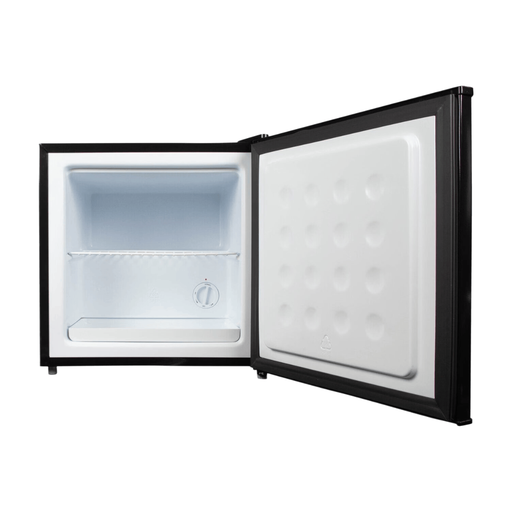
Salora FRB3200BL, 31 litres
Its compact capacity may suit you if you only need a small amount of extra space for portions.
31 litres capacity; two compartments; stated freezing capacity of 2 kg per 24 hours; adjustable thermostat.
View at Joybuy
 No image available
COMFEE' RCU60WH2(E), 60 litres
The three storage compartments give you different places to organise frozen portions.
60 litres capacity; three storage compartments, including two flap compartments and a bottom drawer; stated freezing capacity of up to 6 kg per 24 hours; three adjustable temperature settings.
The temperature control is behind the bottom drawer, which you’ll need to remove to reach it.
View at Joybuy
 No image available
Frilec BREMEN132-040BW, 87 litres
Three transparent drawers let you store portions separately.
87 litres capacity; three transparent drawers; stated energy consumption of 84 kWh per year; dimensions of 550 × 850 × 580 mm.
This model doesn’t have NoFrost and needs to be defrosted manually when ice builds up.
View at Joybuy
 No image available
Frilec BREMEN138-NF-050DW, 87 litres
The stated No-Frost feature is worth considering if you’re looking for a model with automatic defrosting.
87 litres capacity; stated energy consumption of 145 kWh per year; height 84.5 cm and width 55 cm; recommended freezing temperature −18 °C.
View at Joybuy
 No image available
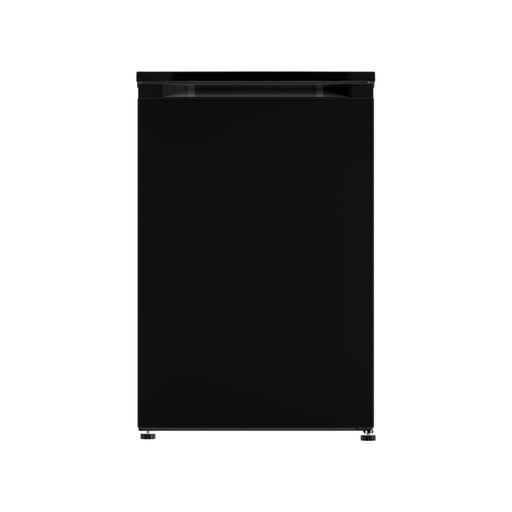
Exquisit GS581-051CB, 85 litres
The three transparent drawers can help you keep different portions separate.
85 litres capacity; three transparent drawers; stated freezing capacity of 4.5 kg per 24 hours; stated energy consumption of 105 kWh per year; dimensions of 84.5 × 54.9 × 55.7 cm.
Manual defrosting is needed when ice builds up.
View at Joybuy
Frequently asked questions
How do I freeze lentil stew?
Cool the leftovers quickly, put them in the fridge or freezer within two hours at the latest, and store them in a sealed container labelled with the date. The Netherlands Nutrition Centre recommends storing frozen leftovers for up to three months.
Can I put a freezer in a cold shed?
Not every model is suitable. Measure the temperature where you plan to put it and compare it with the climate class and the model instructions. An unheated shed can fall below 10 °C, according to the Dutch Consumers’ Association.
How do I compare the energy consumption of freezers?
Compare the stated energy consumption in kWh per year of models with enough space for your needs. The current energy label runs from A to G; the old plus ratings were used on the label before 1 March 2021, according to Energielabel.nl.
What can I do if a freezer I bought online doesn’t fit or breaks down soon after purchase?
For online consumer purchases in the Netherlands, you generally have a statutory 14-day cooling-off period after delivery, according to ACM ConsuWijzer. The seller must also repair or replace a product that, under normal use, fails to meet what you could reasonably expect under the statutory guarantee. This is not the same as a standard two-year guarantee period.
Does a freezer in the Netherlands have to have an energy rating of A?
No. EU energy labelling rules don’t require consumers to buy only appliances with an A rating within their scope. The current consumer label for the relevant electric refrigeration and freezing appliances runs from A to G, as set out on Energielabel.nl and in Regulation (EU) 2019/2016.


