What should you look for when buying?
Compact freestanding tabletop freezer
Suitable for: a measured space with limited room, and mainly small, separate portions.
Consider: a smaller external size generally means less storage space; also check the depth, door swing and ventilation requirements.
Tall freestanding upright freezer
Suitable for: a larger stock of food, if you have enough floor space and height.
Consider: a larger freezer may use more electricity each year, so compare kWh/year as well as capacity.
Built-in freezer
Suitable for: a kitchen with a suitable niche and compatible door system.
Consider: according to the Dutch Consumers’ Association, there’s less choice than with freestanding models; check the niche and door system before buying.
Chest freezer or existing freezer compartment
Suitable for: a chest freezer if there’s room to open the lid, or an existing compartment that can reach the required temperature and hold the required quantity.
Consider: a chest freezer needs access from above; according to the Netherlands Nutrition Centre, one- or two-star freezer compartments cannot reach the recommended setting of −18 °C.
The Netherlands Nutrition Centre recommends setting a freezer to at least −18 °C and says that one- or two-star freezer compartments cannot reach this temperature. The dimensions and freezing capacities given for the models mentioned are specific to each model.
| Concern |
What should you check before buying? |
Which consumers does this matter most to? |
| Will the freezer fit in the kitchen? |
Measure the width, depth and height, and allow for the door opening and the model’s installation requirements. |
I want to freeze the beans without the cabinet or open door blocking the way through. A suitable location is the top priority for around 36% of consumers. |
| Can the model freeze the quantity I need? |
Compare the weight you freeze in a day with the capacity in kg/24 hours; also check the capacity in litres and the layout. |
If I blanch a larger harvest in one day, I want to know how much the appliance can freeze during that period and how I can store portions. Around 29% of consumers prioritise the quantity they need to freeze each day. |
| What do energy use and noise mean? |
Compare kWh/year and capacity on the energy label; also check the stated dB rating if the freezer will be near a living or working area. |
If the freezer is near where I sit or work, I want to take noise and annual energy use into account. Running costs or noise are the main concern for around 21% of consumers. |
| How much maintenance does the model need? |
Check whether the specific model has NoFrost, and also compare the external dimensions and energy label. |
Once the size and temperature are right, I want to spend as little time as possible defrosting. Ease of maintenance matters most to around 14% of consumers. |
Joybuy products
The Joybuy options below include compact freestanding freezers and a chest freezer. Compare their dimensions and freezing capacity with your kitchen and the quantity of beans you need to freeze.
 No image available
COMFEE' RCU60WH2(E) freezer, 60 litres
An option to compare if width is limited and you freeze portions; check the stated capacity against the quantity you freeze each day.
Capacity: 60 litres. Width: 47,5 cm. Freezing capacity: up to 6 kg/24 hours. Door: reversible. Temperature setting: down to −24 °C.
View at Joybuy
 No image available
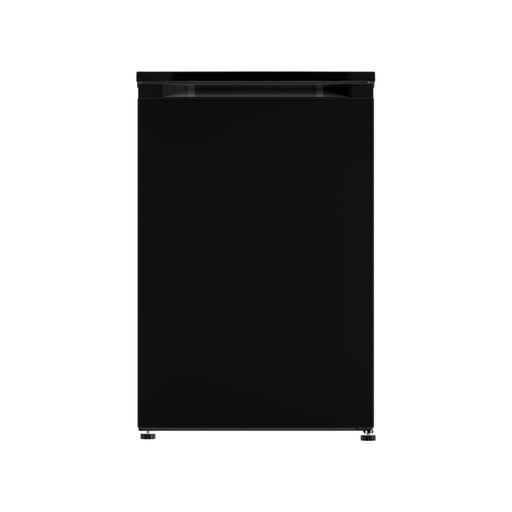
Exquisit GS581-051CB tabletop freezer, 85 litres
Worth comparing if a tabletop model will fit and a freezing capacity of 4,5 kg per 24 hours suits the quantity you freeze each day.
Dimensions: 84,5 × 54,9 × 55,7 cm. Capacity: 85 litres. Freezing capacity: 4,5 kg/24 hours. Energy rating C. Three drawers and a reversible door. Requires manual defrosting. Check that this exact model can be set to at least −18 °C.
View at Joybuy
 No image available
Frilec BREMEN132-040BW tabletop freezer, 87 litres
A tabletop model to consider if it fits the measured space and its stated freezing capacity suits your portions.
Dimensions: 85 × 55 × 58 cm. Capacity: 87 litres. Freezing capacity: 4,4 kg/24 hours. Energy rating B. Three drawers and a reversible door. Requires manual defrosting. Check that this exact model can be set to at least −18 °C.
View at Joybuy
 No image available
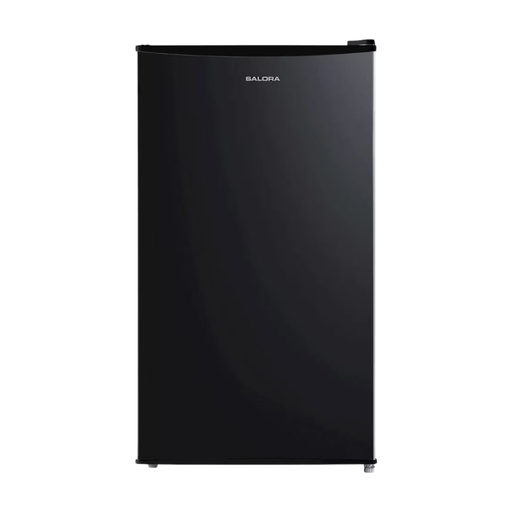
Salora 47FRT60BL tabletop freezer, 60 litres
May suit a narrow space and a daily portion for which a freezing capacity of 6 kg per 24 hours is sufficient.
Width: 47,2 cm. Capacity: 60 litres. Freezing capacity: 6 kg/24 hours. Temperature setting: −20 °C to −12 °C. Energy rating F. Door: reversible. Requires manual defrosting.
View at Joybuy
 No image available
CHiQ JR99DWE chest freezer, 99 litres
A chest freezer to compare if there’s enough space to open the lid from above and its capacity suits your portions.
Dimensions: 54,5 × 47,6 × 83,5 cm. Capacity: 99 litres. Freezing capacity: 4,5 kg/24 hours. Energy rating E. The specifications list a 4-star compartment with a recommended temperature of −18 °C. Requires manual defrosting.
View at Joybuy
Frequently asked questions
How do you prepare green beans for freezing?
The Netherlands Nutrition Centre recommends briefly blanching vegetables in boiling water, then cooling them in iced water. Drain and dry the beans thoroughly, then freeze them in portions. Blanching time depends, among other things, on the type of bean and the size of the pieces.
Which temperature and capacity matter?
Choose a freezer that can be set to at least −18 °C. If you’re freezing larger quantities, compare the weight of the beans with the stated freezing capacity in kg/24 hours. Litres indicate storage capacity; they don’t tell you how much the appliance can freeze per day.
How can you check whether a tabletop model will fit in your kitchen?
Compare all the external dimensions with the available space, allowing for the door and ventilation requirements. Consult the installation instructions for the exact model; a reversible door doesn’t change the depth or ventilation space required.
How do you compare the energy use of freezers?
Compare the stated annual energy use in kWh on the energy label for models that suit your space and needs. The energy label also shows capacity and noise; your actual electricity costs will also depend on your electricity tariff.
Who should you contact if an appliance develops a fault after purchase in the Netherlands?
According to the Government of the Netherlands, you should report a faulty product to the retailer. The retailer must provide a solution and cannot simply refer you to the manufacturer. A manufacturer’s or retailer’s guarantee is in addition to your statutory rights.


