
Cook with an existing freezer compartment
You want to freeze a few portions of herbs before guests arrive, and are first checking whether the space and temperature you already have are suitable.


For a small amount of chopped herbs, you don't necessarily need an extra freezer. First check whether your existing freezer can reach −18 °C or colder and has room for small, sealed portions. If you regularly need more space, choose between a compact table-top model and a larger upright freezer based on the space available, layout, stated freezing capacity and annual energy consumption. A capacity quoted in kg per 24 hours doesn't tell you when your portion of herbs will be frozen.
You want to freeze a few portions of herbs before guests arrive, and are first checking whether the space and temperature you already have are suitable.
You often freeze small portions but only have room for a compact appliance. Its footprint and how easy it is to access the drawers both matter.
You regularly freeze other foods too, so you compare capacity and freezing performance with energy consumption.
For a small, one-off portion, it makes sense to check your existing freezer space first. An extra appliance is mainly worth considering if you regularly run short of room.
| What to consider | What should you check? | Who is this important for? |
|---|---|---|
| Existing freezer space | Check whether the freezer compartment can reach −18 °C or colder and has room for sealed portions. The Netherlands Nutrition Centre states that one- and two-star freezer compartments cannot reach this temperature. | I only want to freeze a few herbs and will first check whether my current freezer compartment is suitable; consumers looking to make use of their existing freezer space account for around 42% of people with this buying need. |
| Space and layout | Measure the available height, width and depth, allowing for the door and ventilation space. Also check whether the drawers suit the portions you want to store. | If I often freeze small portions, I want an appliance that fits the available space and makes them easy to find; around 25% of consumers have this need. |
| Amount per batch | Compare the amount you usually freeze with the stated freezing capacity in kg per 24 hours. That figure doesn't guarantee that a portion will be frozen by a particular time; the Netherlands Nutrition Centre recommends freezing small portions. | I regularly freeze larger amounts too and want to know how much I can freeze in one go; around 17% of consumers focus mainly on the amount they can freeze at a time. |
| Energy consumption and defrosting | For the exact models, compare annual energy consumption in kWh, capacity and defrosting system. Since 1 March 2021, the European Commission has used the A–G energy label scale for freezers in the EU. | I want to avoid an extra appliance using unnecessary energy or needing a lot of maintenance; around 16% of consumers focus mainly on energy consumption and maintenance. |
If your existing freezer space is suitable and has room for sealed portions, a second appliance may be unnecessary. It takes up space and uses energy.
First check whether your current freezer compartment can reach −18 °C or colder and has enough spare room.
An extra appliance takes up space and uses energy all the time, even when you're not using it for herbs.
The stated daily capacity doesn't tell you when a particular portion of herbs will be frozen. So it can't tell you whether the herbs will be ready before your guests arrive.
Freeze small portions as early as possible, and use the capacity figure only to assess how much you can freeze at a time.
The energy class, annual consumption, capacity and defrosting system answer different questions. NoFrost doesn't automatically mean a model has the lowest energy consumption.
Compare the exact models by kWh per year, suitable capacity and defrosting system before you choose.
The GTV15NWEB is a freestanding table-top model worth comparing if you're looking for extra freezer space and the stated dimensions are important to you.
The FSE1074N is a table-top model to consider if you're weighing up the available width against extra capacity.
The FNe 1404 is a NoFrost table-top model for anyone looking to avoid manual defrosting.
The VR1430B is a larger upright freezer worth comparing if you regularly freeze extra food as well as herbs.
This selection includes compact freezers and larger upright models for anyone who regularly freezes other food as well as herbs. If you only need to freeze a small portion of herbs once, an extra appliance isn't necessarily needed.
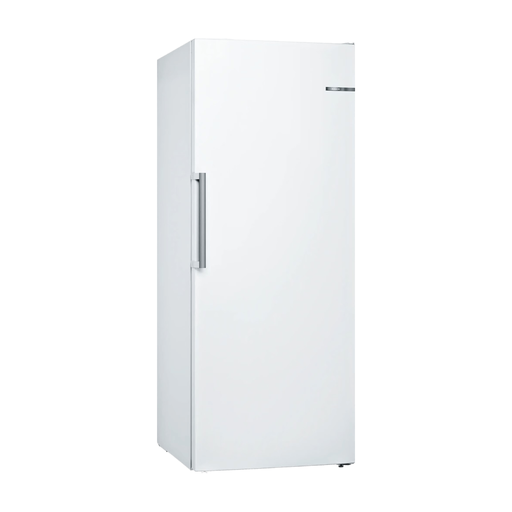 No image available
The generous capacity is best suited to anyone looking to freeze other food as well as herbs.
Capacity: 328 l. Stated freezing capacity: 23 kg per 24 hours. Energy class C and stated annual consumption: 170 kWh. No Frost and three drawers.
The capacity may be more than you need if you only want to freeze a small portion of herbs.
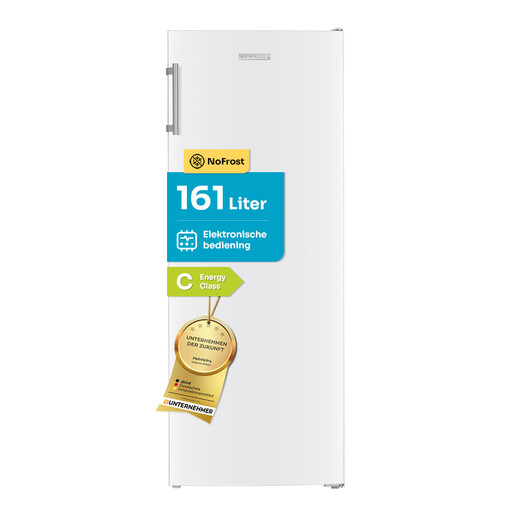 No image available
This model is designed for anyone looking to store other food as well as herbs.
Capacity: 161 l. The description lists three drawers, No Frost, energy class C and a temperature range of −14 °C to −22 °C. Fast Freeze is also listed.
The capacity may be more than you need if you only want to freeze a small portion of herbs.
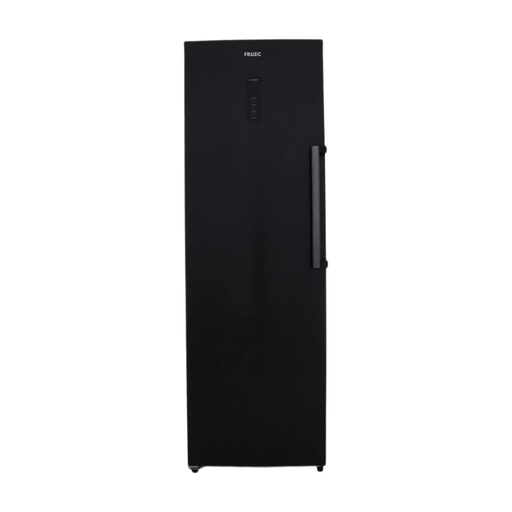 No image available
The generous capacity is suited to anyone looking to freeze other food as well as herbs.
Capacity: 274 l. Energy class C and No Frost.
The capacity may be more than you need if you only want to freeze a small portion of herbs.
 No image available
This table-top model may suit you if you regularly freeze small portions and have limited space.
Capacity: 87 l. Three transparent drawers and a stated freezing capacity of 4.5 kg per 24 hours. Energy class B. Stated dimensions: 550 × 850 × 580 mm.
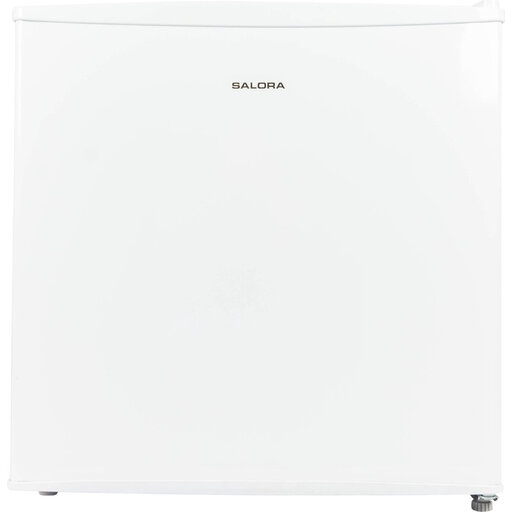 No image available
The compact capacity may be useful if you only need a little extra freezer space.
Capacity: 31 l. Two compartments and a stated freezing capacity of 2 kg per 24 hours.
The stated capacity and freezing performance are limited, so compare them with the amount you want to freeze at a time.
Chop the herbs finely and freeze small portions in a sealed bag or container. The Netherlands Nutrition Centre advises using the herbs without defrosting them first. Wash herbs that you plan to eat raw under running water beforehand.
Don't count on it without checking: after transport, the Consumers' Association advises leaving the freezer upright for around four hours before switching it on. The appliance then needs time to reach the set temperature. A stated capacity in kg per 24 hours doesn't tell you when your herbs will be frozen.
That depends on the exact model. According to the Consumers' Association, a freezer with NoFrost doesn't need manual defrosting. Follow the appliance's instructions for cleaning.
Freezers in the EU use the A–G energy label scale. According to the Dutch government, online purchases from a business usually come with a 14-day cooling-off period. Your statutory rights if a product is faulty are separate from any additional manufacturer's guarantee; contact the retailer.
Not necessarily. Compare the temperature in that location with the climate class and placement instructions for the exact model. An unheated shed can get colder than 10 °C in winter.