
Vandaag of morgen in huis

Kwaliteit gegarandeerd

Welkomstaanbiedingen ontgrendelen: GRATIS bezorging | Tot 80% korting | Gratis 30 dagen JoyPlus-proefperiode
Download de app
Whether you're an avid meal prepper, want to combat food waste, or simply need a smart way to store leftovers, the right freezer containers are essential. However, the market is flooded with options that overpromise and underdeliver. Many containers end up as a source of frustration: leaking lids, freezer burn on your food, or containers that warp after just a few uses. As a Joybuy Product Recommendation Officer, I'll help you see through the marketing claims and make a choice you'll actually benefit from.
Before you invest in a new food storage container set, watch out for these common pitfalls:
To avoid a bad purchase, it's better to focus on a few objective specifications rather than marketing promises.
The choice between glass and plastic depends on your priorities.
The lid is just as important as the container itself. For truly airtight food containers, lids with a four-sided locking system and a silicone sealing ring are the most reliable option. This design creates a vacuum effect that keeps air and moisture out, minimising freezer burn and maximising the freshness of your food. Simple snap-on lids without a silicone ring often provide insufficient protection for long-term freezer storage.
The term microwave and freezer safe should be examined critically. Always check the product information:
Below is a selection of products that are a good match for different needs, based on their specifications.
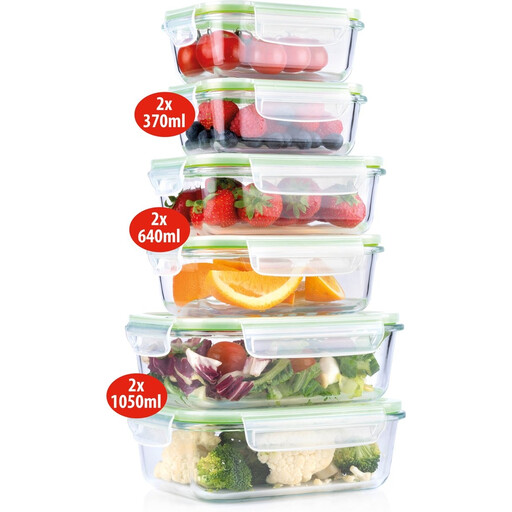
Why This Fits Their Persona: This set is ideal for those who prepare meals for the entire week. With three different sizes (370, 640, and 1050 ml), you have a suitable container for every portion. The borosilicate glass allows you to reheat the meal directly from the freezer in the microwave.
Using borosilicate glass prevents cracking from thermal shock and doesn't absorb odours or stains. The locking lids ensure a reliable, airtight seal.
A complete food storage container set made of durable glass that is suitable for the freezer, microwave, and dishwasher. The different sizes offer great flexibility.
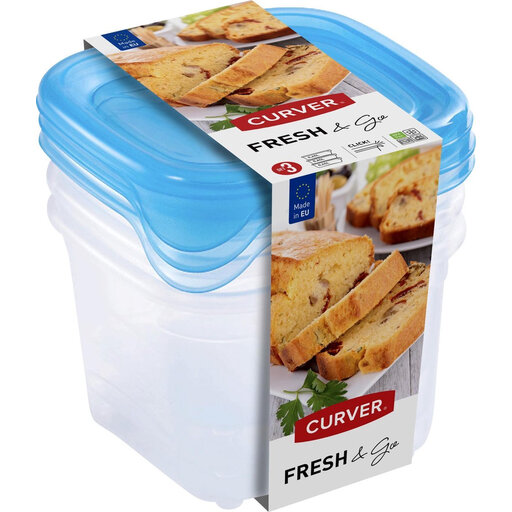
Why This Fits Their Persona: For those where every inch in the freezer and kitchen cupboards counts. These containers are both stackable (with lids) and nestable (without lids), which saves a huge amount of space. The 0.45L size is perfect for portions of sauce, soup, or leftovers.
These BPA-free freezer containers are specified for a temperature range of -40°C to +100°C, indicating high-quality plastic that won't warp easily. The lids are designed for a good seal.
Extremely space-efficient due to the stackable and nestable design. The convenient tabs on the lid make opening easy, even with cold hands.
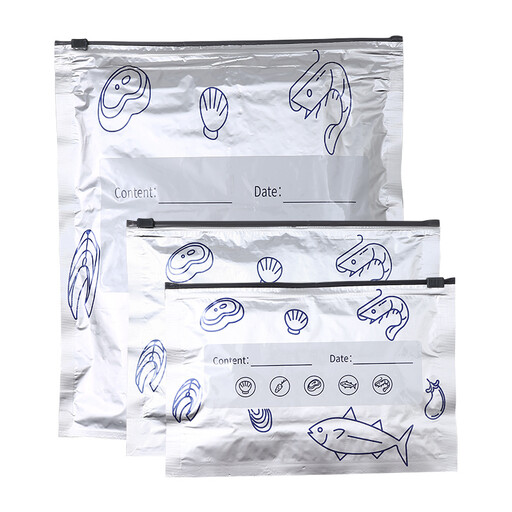
Why This Fits Their Persona: Those who buy in bulk need an efficient solution for freezing meat, fish, or vegetables. These reusable bags are more flexible and take up less space than rigid containers. The set includes three different sizes for various products.
The aluminium foil layer blocks light, which slows down oxidation. The slider closure provides a truly airtight seal, effectively preventing freezer burn. The write-on label solves the problem of anonymous frozen blocks.
Superior protection against light and air. The flexible, space-saving format is ideal for organising bulk purchases in the freezer.
We've compiled a complete, up-to-date list of products that meet these strict selection criteria and current safety regulations.
Yes, this can happen if they are not used correctly. Although borosilicate glass is designed for temperature fluctuations, it's important to take precautions. Never fill containers with liquids like soup or sauce to the brim; leave about 2-3 cm (1 inch) of space to allow the contents to expand during freezing. Also, avoid placing a hot container directly into the freezer. Let it cool to room temperature first.
Freezer burn is caused by exposure to air, which dehydrates the food. The key to prevention is using airtight food containers. Make sure the lid seals perfectly. When closing the container, gently press on the lid to let excess air escape before you seal it completely. The less air in the container, the lower the risk of freezer burn.
Not necessarily. The "BPA-free" claim only guarantees that the specific chemical Bisphenol A was not used. Whether a plastic container is microwave-safe depends on the type of plastic (such as polypropylene, indicated by PP or the number 5). Always check the symbols on the bottom of the product or the manufacturer's instructions. Some containers are only suitable for reheating at low power and not for cooking food.
