
Cook with a small worktop
Wants to freeze carrots in portions without losing worktop space, and is looking for a suitable spot under or next to the worktop. The Consumentenbond covers both table-top models and specific under-counter models.


First, measure the space where the freezer will go, then check its external dimensions, door clearance and usable capacity. A suitable table-top model may be enough for smaller portions; a taller upright freezer can offer more space for larger stocks, while a chest freezer needs clear space above it. Also compare the freezing capacity in kg/24 hours and energy consumption in kWh/year, as recommended by the Consumentenbond and Milieu Centraal.
Wants to freeze carrots in portions without losing worktop space, and is looking for a suitable spot under or next to the worktop. The Consumentenbond covers both table-top models and specific under-counter models.
Blanches larger quantities at a time, so considers the stated freezing capacity per 24 hours as well as storage space. Manufacturers such as Inventum and Bosch list this capacity for their models.
Wants a suitable size and compares the stated annual energy consumption on the energy label. Milieu Centraal recommends checking electricity consumption in kWh per year.
Start by considering the space available and how many carrots you want to freeze at a time. Then compare the energy consumption and maintenance requirements of suitable models.
Choose this if: you have a suitable spot under or next to the worktop and mainly store portions or a modest stock.
The trade-off: a table-top model generally offers less storage than a taller upright freezer; a freestanding model is not automatically suitable for built-in installation.
Choose this if: you want to keep the worktop clear and store a larger stock alongside your carrots.
The trade-off: allow for the required height, door clearance and ventilation space.
Choose this if: you have space outside the cramped kitchen for large or awkwardly shaped stocks.
The trade-off: the lid opens upwards, so you’ll need clear space above the chest freezer.
Choose this if: the available space and freezing capacity are sufficient, and the compartment can be set to at least −18 °C.
The trade-off: space may be limited, but avoiding a second appliance means you won’t use extra electricity.
| What to consider | What to check before buying | Who is this especially important for? |
|---|---|---|
| Placement without losing worktop space | Measure the height, width and depth; also check the door clearance and whether the model is suitable for the intended position. | If I have limited workspace, I want to know in advance whether the appliance and its door will fit in the chosen spot. Around 36% of consumers put placement first. |
| Capacity and freezing capacity per batch | Compare the freezer capacity in litres with the amount of carrots you want to freeze at a time, and check the capacity in kg/24 hours. | When blanching a larger batch, I want enough room for portions and a suitable freezing capacity. Around 29% of consumers prioritise batch capacity. |
| Energy consumption | For models of a suitable size, compare the consumption in kWh/year shown on the EU energy label. | Once the size and capacity are right, I also want to take the stated annual energy consumption into account. Around 21% of consumers put energy consumption first. |
| Defrosting and keeping things organised | Check whether the layout makes it easy to keep portions organised, and whether the exact model has NoFrost or static cooling. | If I want to find my portions quickly or reduce the need for manual defrosting, I look at the layout and cooling type. Around 14% of consumers prioritise maintenance and organisation. |
Table-top models vary in width and depth. The chosen position must also suit the appliance, and the door needs enough room to open properly.
Measure the available space and compare it with the exact model’s full external dimensions and installation instructions.
Capacity tells you how much food can be stored; freezing capacity in kg/24 hours tells you how much fresh food the appliance can freeze in a day.
Compare both specifications with the amount you plan to store, and divide the carrots into small portions.
Using two cooling appliances takes more energy than using one suitably sized appliance, as Milieu Centraal points out.
First check whether your existing freezer space is large enough and can be set to at least −18 °C. If not, compare the size and annual energy consumption of an additional appliance.
Cooling types vary from model to model. An appliance without NoFrost may need to be defrosted manually.
Check the cooling type of the exact model and weigh it against the size, capacity and energy consumption.
Manual defrosting can take extra time.
The FS166020 is a table-top model for anyone focusing on the width of the available space.
The VR550 is a table-top model with drawers for anyone who wants to store portions separately.
The GTV15NWEB is a table-top model with a stated fast-freeze function.
The FNe 1404 Pure is a table-top model for anyone considering NoFrost.
The BREMEN132-040BW is a table-top model to compare by size and stated energy rating.
This selection ranges from compact freezers and table-top models to a taller upright freezer. Compare the available space, capacity and freezing capacity with the portions of carrots you want to store.
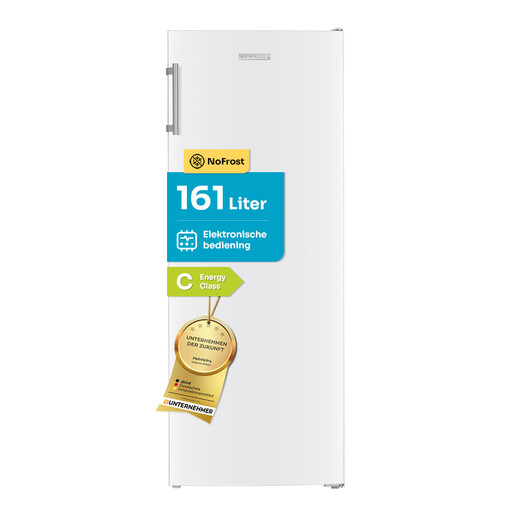 Image unavailable
The stated capacity and layout may be worth considering if you want to store a larger stock.
161 litres; three freezer drawers and two trays; No-Frost; temperature range from −14 to −22 °C; C energy rating.
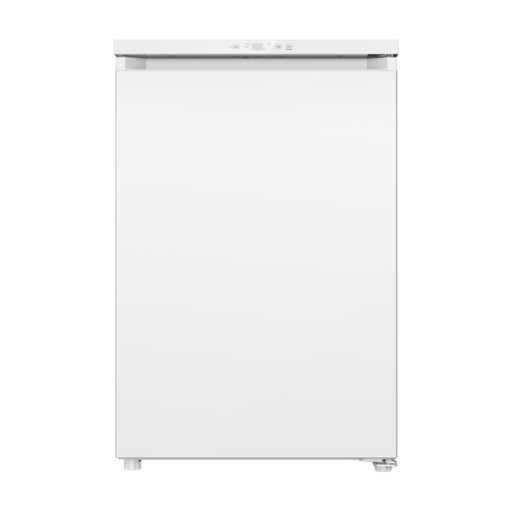 Image unavailable
The stated capacity and freezing capacity are relevant if you want to freeze larger portions of carrots.
87 litres; freezing capacity of 5 kg/24 hours; No-Frost; recommended freezing temperature of −18 °C; D energy rating.
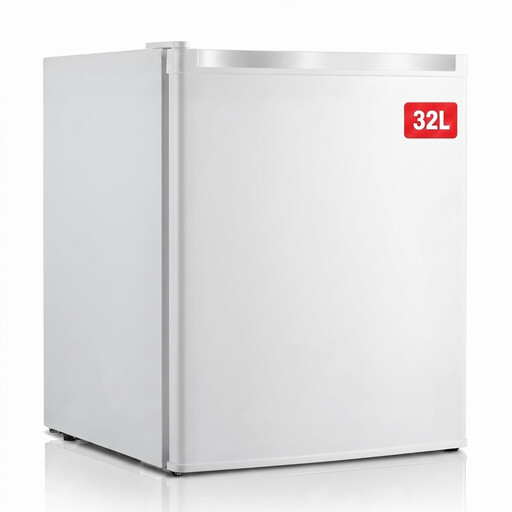 Image unavailable
The stated capacity and external dimensions can help you decide whether a small freezer will fit in the available space.
32 litres; external dimensions of 45,4 × 44,3 × 49,5 cm; seven temperature settings from −10 to −22 °C; reversible door; stated noise level of 43 dB.
 Image unavailable
The drawer layout and stated freezing capacity are worth considering when storing portioned carrots.
87 litres; three transparent drawers; freezing capacity of 4,4 kg/24 hours; B energy rating.
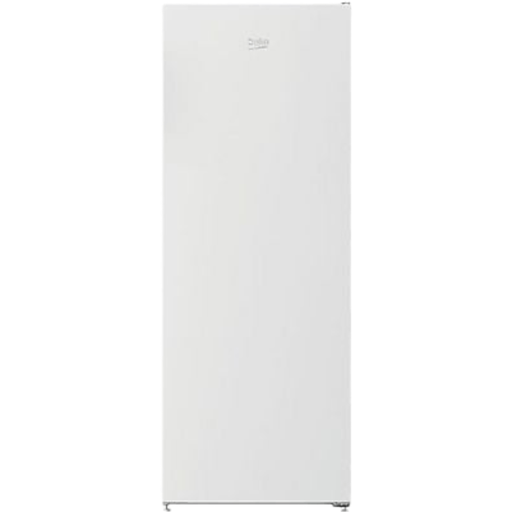 Image unavailable
This taller upright freezer is worth comparing if you need more storage space and have enough height available.
196 litres; five drawers; freezing capacity of 10 kg/24 hours; No Frost; height 1,457 m; E energy rating.
The Voedingscentrum recommends blanching carrots briefly before freezing them. Then cool them quickly in iced water, drain and dry them thoroughly, and freeze them in portions. Blanching time depends on the variety, the size of the pieces and how soft you want them.
The Voedingscentrum recommends setting your freezer to at least −18 °C for long-term storage. A freezer compartment with one or two stars cannot reach this temperature; also avoid freezing too much at once.
No. The term ‘table-top model’ does not automatically mean the appliance is suitable for placing under a worktop. The Consumentenbond points out that specific under-counter models are also available; measure the space and check the installation instructions for the model you choose.
Household refrigerators and freezers covered by the applicable EU rules must meet energy labelling requirements. The European Commission outlines these rules for this product category; compare the annual energy consumption on the label for models with a suitable capacity.
There is no fixed statutory warranty period in the Netherlands; the Dutch government states that the retailer is your point of contact if a product is faulty. What you can expect depends on what was reasonable to expect from the product.