
Sharing with others and keeping portions separate
You share a freezer and want to find sealed, dated portions quickly. The Netherlands Nutrition Centre recommends using well-sealed containers and date labels to keep track of what you have in stock.


Choose a freezer with a layout that makes it easy to keep portions sealed, clearly labelled and easy to find. An under-counter model is more suited to limited space and smaller batches; for larger batches, the stated freezing capacity matters just as much as the storage volume. Also compare annual energy consumption and consider whether NoFrost offers the level of convenience you want when it comes to maintenance. If you sell cakes, food safety and allergen rules also apply.
You share a freezer and want to find sealed, dated portions quickly. The Netherlands Nutrition Centre recommends using well-sealed containers and date labels to keep track of what you have in stock.
You’re looking for your own freezer space in a small kitchen. Compare the external dimensions and door clearance with the space available, and check that your portion containers will fit in the drawers.
You regularly add several fresh portions at once. So, compare not only the storage volume but also the stated freezing capacity in kg per 24 hours with the size of your largest batch.
In a shared freezer, set spaces and well-sealed, labelled containers make it easier to find portions. The Netherlands Nutrition Centre recommends labelling food containers with their contents and date.
Best for: when you have little floor or worktop space and usually freeze modest-sized batches.
Trade-off: there may be less room for wide containers and a growing stock of food.
Best for: when you need more separate storage spaces or regularly add larger batches.
Trade-off: check that the larger external dimensions will fit in your kitchen, and compare freezing capacity separately from storage volume.
Best for: when you mainly store larger, well-packed stocks of food and have enough floor space.
Trade-off: top access and fewer built-in compartments may mean you need to agree on containers, labels and ownership in a shared kitchen.
| Priority | What to look for | Who should pay particular attention |
|---|---|---|
| Keeping portions separate | Number and internal dimensions of the drawers; space for sealable containers. | I share the freezer and want to find my sealed, dated portions quickly; around 33% of consumers rank separation and organisation as their top buying priority. |
| Finding a suitable place for the freezer | External dimensions and door opening direction; installation and ventilation requirements. | If the kitchen is short on space, I want to know in advance whether the appliance will fit; around 27% of consumers give suitability for their space top priority. |
| Freezing fresh batches | Stated freezing capacity in kg per 24 hours; weight of your largest batch. | I regularly freeze several portions at once and want to make sure the capacity is suitable; around 20% of consumers prioritise batch size. |
| Energy use and maintenance | Annual energy consumption in kWh and noise level on the energy label; NoFrost or manual defrosting. | If we use the appliance all the time, I want to take energy use and maintenance into account; around 20% of consumers rank these points as their top buying priority. |
Litres indicate storage space, not how much fresh cake you can freeze in a day. So, compare the freezing capacity in kg per 24 hours separately with the size of your largest batch. The EU energy label includes information such as annual energy consumption, storage volume and noise level. NoFrost reduces the need for manual defrosting; check the instructions for the model you choose.
Storage volume doesn’t tell you how much fresh cake you can freeze in a 24-hour period. You could end up choosing a model without considering whether it can handle your largest batch.
Compare the storage volume and the dimensions of your packaging with the stated freezing capacity in kg per 24 hours.
An under-counter model might fit in the space you’ve chosen, but your portion containers may not fit in the individual drawers.
Measure your containers and check the drawer dimensions, door clearance and the model’s ventilation requirements.
NoFrost reduces the need for manual defrosting, but it doesn’t replace sealed packaging, labels or agreements between users.
Choose a defrosting system that suits the level of maintenance you’re happy with, and organise and date your food separately.
The VR550 is a compact under-counter model with drawers, ideal if you’re short on space and want to store portions separately.
The FNe 1404 combines an under-counter design with drawers and NoFrost, making it suitable for limited space and reducing the need for manual defrosting.
The GSN29VWEP is a larger freestanding upright freezer with NoFrost, for anyone looking for more storage space who has enough headroom.
The AGB332E2NW is a freestanding NoFrost freezer with several drawers, for anyone looking for more separate storage space.
The Dutch model range includes under-counter models, upright freezers and chest freezers.
This selection includes compact under-counter models and larger freestanding upright freezers for storing portions or freezing fresh batches.
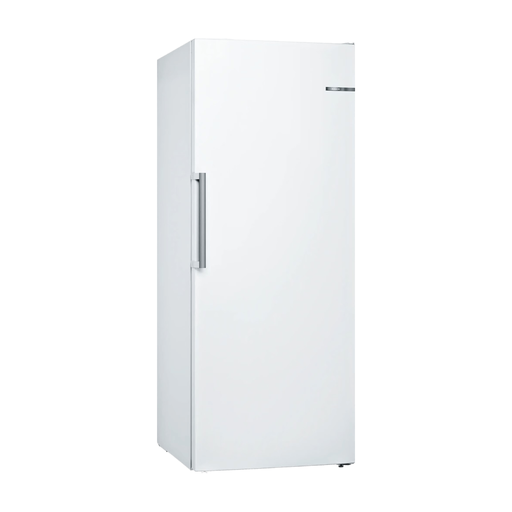 No image available
A freestanding upright freezer for anyone who wants to store portions separately and needs more storage space.
The product name lists a capacity of 328 L and energy class C. Compare the stated freezing capacity with the weight of your largest fresh batch.
 No image available
A compact under-counter model to consider when space is limited and you want No-Frost.
The product name lists a capacity of 87 L, No-Frost and energy class D. Check the stated freezing capacity if you regularly add a fresh batch.
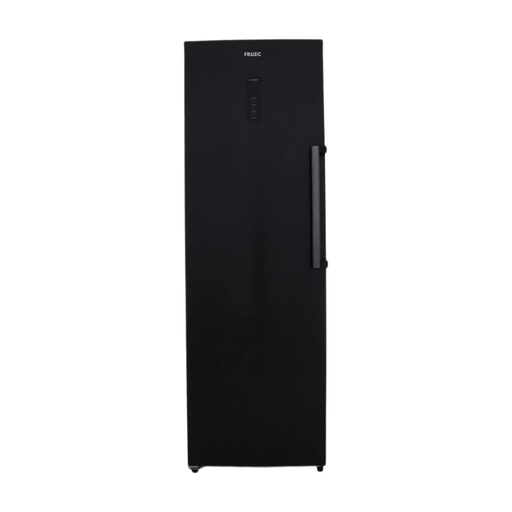 No image available
A freestanding upright freezer to consider if you need more storage space for portions.
The product name lists a capacity of 274 L, No-Frost, energy class C and a digital display. Check the stated freezing capacity if you add larger fresh batches.
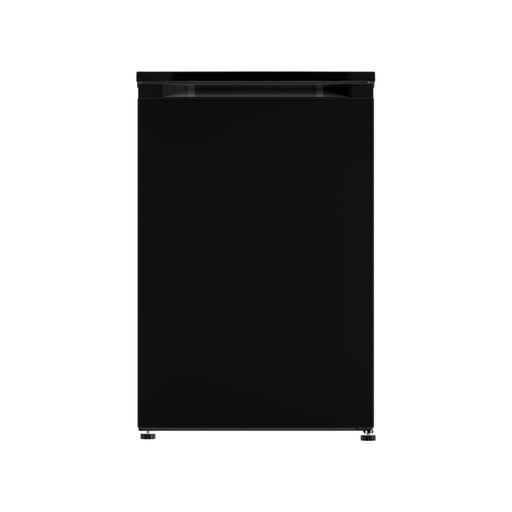 No image available
An under-counter model with a modest capacity for anyone who wants to store portions in a compact freezer.
The product name lists a capacity of 85 L and energy class C. This model needs to be defrosted manually, so bear that in mind when considering maintenance.
 No image available
A freestanding under-counter model to consider if you’re short on space and looking for a smaller freezer.
The product name lists a capacity of 60 L. This model doesn’t have No Frost and needs regular manual defrosting.
Not necessarily: litres describe the storage space, not how much fresh cake you can freeze in 24 hours. Compare the stated freezing capacity with the weight of the batch you’ll be adding at once. For example, Inventum lists a freezing capacity of 4 kg per 24 hours for the VR550.
Agree on set spaces and store portions in well-sealed containers labelled with their contents and date. The Netherlands Nutrition Centre recommends using sealed containers and date labels to keep track of your food.
According to AEG’s user information, ice defrosts automatically in NoFrost models; a model without NoFrost needs to be defrosted manually on a regular basis. Also check the installation and ventilation instructions for the appliance you choose.
Compare the annual energy consumption in kWh on the EU energy label and check the delivery and installation terms. ACM ConsuWijzer distinguishes between statutory and seller’s guarantees; there isn’t a fixed statutory guarantee period for every appliance. Assess business purchases separately.
If you prepare or offer cakes to customers from the kitchen as a food business, the Netherlands Food and Consumer Product Safety Authority says you must work in line with a food safety plan or hygiene code based on HACCP. If you sell to consumers, you must also give them information about any allergens present. Sharing a kitchen for private use, without selling food, does not in itself mean these business obligations apply.