
Planning a big blanching session
Wants to freeze several portions for a shared meal in a short time, so compares how much the appliance can freeze in a day with the total storage capacity.


Start by asking two separate questions: how much space will the packed portions take up, and how many kilos do you want to freeze in one day? Then compare the appliance’s dimensions and layout with the space available, and check whether the model can reach −18 °C. The Voedingscentrum recommends this temperature for storing food. If you won’t need the extra space after your celebratory meal, an existing freezer that meets these requirements may be sufficient.
Wants to freeze several portions for a shared meal in a short time, so compares how much the appliance can freeze in a day with the total storage capacity.
Wants to keep portions for guests neatly organised, and weighs up the appliance’s external dimensions and layout against the space available.
Plans to keep using the freezer after the celebratory meal, so considers the capacity needed, annual electricity consumption and maintenance.
First, assess the fresh batch you’ll be freezing that day and the total stock you want to store separately. Then check that the appliance will fit and consider whether you’ll use the extra capacity after the meal.
| What to consider | What should you look for? | Who should consider this? |
|---|---|---|
| Space for portions | Measure the packed portions and check how much usable space you’ll actually need. Compare this with the capacity and layout of the model. | If I want to fit all the portions for our shared meal without buying more space than I need, I look at the usable storage capacity. Around 26% of consumers give top priority to having enough room for the stock they plan to store. |
| Freezing capacity | Weigh the cooled, packed beans you plan to add within 24 hours and compare the weight with the stated freezing capacity in kg/24 hours. | For a big blanching session, I want to know how much I can freeze in one day. Around 26% of consumers give the fresh daily batch the greatest consideration. |
| Dimensions and layout | Measure the space where the appliance will go, allowing room for the door or lid to open. Compare drawers with baskets to see how easy it will be to find portions. | In a small kitchen or utility room, I want to be able to reach the portions without the appliance blocking the way through. Around 21% of consumers prioritise a compact fit and easy organisation. |
| Annual energy consumption | For models with a suitable capacity, compare the annual consumption in kWh on the energy label. Also consider whether you’ll keep using the extra space after the meal. | If the freezer will stay plugged in afterwards, I want to factor in its annual energy consumption before buying extra capacity. Around 16% of consumers prioritise energy use when choosing an appliance for longer-term use. |
| Location and maintenance | If you’re placing the freezer in an unheated room, check the permitted ambient temperature for the exact model. Also check whether it has No Frost, Low Frost or no frost-reduction feature. | In a cold shed, or if I want to avoid frequent defrosting, I need to know the requirements for the exact model. Around 11% of consumers base their decision on suitability for the location or maintenance needs. |
Litres describe the storage space; kg/24 hours tells you how much fresh food the appliance can freeze in a day. So a model with enough storage may still be unsuitable for one big blanching session.
Compare both figures separately with the packed stock you want to store and the weight of the fresh batch. Adding too much fresh food at once can warm food that’s already frozen and affect its quality.
If your existing freezer has enough spare space and can reach the required temperature, you may not need extra capacity.
First check the space in your existing freezer and decide whether you’ll keep using the extra capacity after the meal. An appliance that stays switched on will use electricity and take up space.
Low Frost reduces frost build-up, but it doesn’t mean you’ll never need to defrost the appliance. Inventum describes the VK1122W as having Low Frost; Bosch lists No Frost for the GSN36VLCG.
Read the feature description for the exact model, and bear in mind that you may need to defrost it and temporarily reorganise your food if you choose a chest freezer.
Suitability for low ambient temperatures varies by model. A brand’s general reputation won’t tell you whether a specific appliance is suitable for the place where you plan to put it.
Measure the space and check the permitted ambient temperature in the documentation for the full model code.
The VR550 is an under-counter model, while the VK1122W is a larger chest freezer. The right option depends on the size of your daily batch, how much you need to store and the space available.
The VV856WIT is an under-counter model with three freezer drawers, designed for buyers who want to keep portions separate and organised.
The FNE1074N is a compact under-counter model for anyone looking for No Frost in a space with limited room.
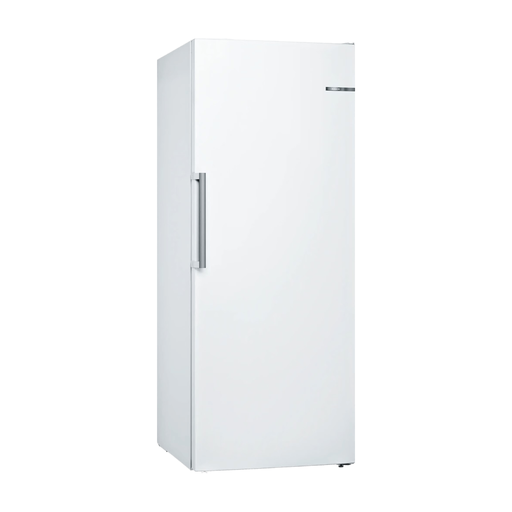
The GSN36VLCG is a tall, freestanding upright freezer with drawer access, for anyone looking to store a larger shared stock of food.
The CFd 2085 Plus is a chest freezer for anyone considering a larger stock of food and installation in a cold room.
This selection includes tall upright freezers, under-counter models with drawers and a chest freezer. Compare the kg/24 hours with your fresh daily batch, and the capacity with the total amount you want to store. Before use, check that the exact model can be set to −18 °C, as recommended by the Voedingscentrum.
 No image available
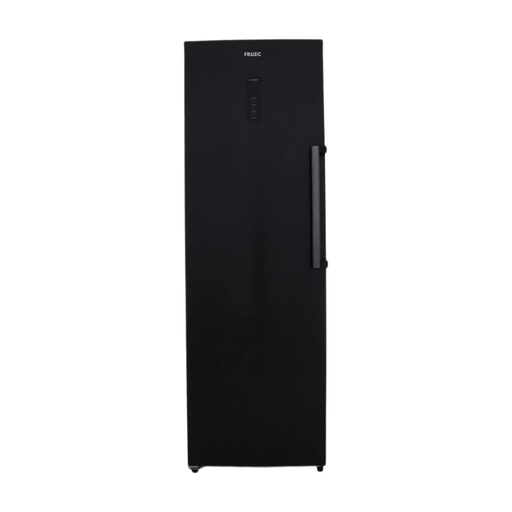
Suitable for anyone looking to freeze a larger daily batch and organise portions across different compartments.
Capacity of 328 litres and freezing capacity of 23 kg per 24 hours. Listed features include No Frost, energy class C and annual energy consumption of 170 kWh. Vario Zone and a Big Box drawer are also mentioned.
 No image available
Suitable for a modest fresh daily batch and separate portions in a smaller space.
Capacity of 87 litres and freezing capacity of 5 kg per 24 hours. The description mentions three drawers, Fast Freeze and automatic defrosting, and gives a recommended freezing temperature of −18 °C.
 No image available
Suitable for anyone looking to store a larger shared stock of food and wanting a tall upright freezer.
Capacity of 274 litres and freezing capacity of 17 kg per 24 hours. Listed features include No Frost and energy class C.
 No image available
Suitable for a smaller daily batch and portions you want to keep in separate drawers.
Capacity of 87 litres and freezing capacity of 4,4 kg per 24 hours. Listed features include three transparent drawers, energy class B and annual energy consumption of 84 kWh.
 No image available
Suitable for anyone looking for extra freezer space in a chest-style design, with a removable basket for easy access to food.
Capacity of 95 litres and energy class E are listed, along with a seven-setting thermostat. The description mentions a switchable fridge and freezer function.
Not if the fresh batch is larger than the appliance’s stated freezing capacity. Divide the cooled beans into portions and compare the weight you’ll add within 24 hours with the freezer’s kg/24-hour capacity.
No. Blanching beans before freezing doesn’t mean they’ll be ready to eat once defrosted. The Voedingscentrum says green beans must be heated before eating, so cook them until tender before serving.
It depends on the exact model and the lowest temperature in the shed. The Consumentenbond points out that performance at low ambient temperatures varies by model; check the climate class and any additional temperature information from the manufacturer.
The energy label helps you compare the energy consumption of suitable models. According to the Rijksoverheid, it is required for new freezers sold on the Dutch market. ACM ConsuWijzer explains that the retailer must offer an appropriate solution free of charge if an appliance used normally doesn’t do what you could reasonably expect; this doesn’t mean there is a fixed guarantee period for every freezer.
If the food is still frozen solid, the Voedingscentrum says you can put it back in the freezer. If the outside has started to soften, don’t freeze it again.