
Market shopper with a large haul
You regularly buy a lot of carrots at once and want to know how much you can freeze in a single day. So, look beyond the storage capacity and check the stated freezing capacity too.


A compact freezer is a good fit if you freeze small portions and its stated freezing capacity matches the amount of carrots you freeze each day. For larger market hauls, daily capacity and storage space matter more. Compare kg per 24 hours separately from the number of litres, measure the available space, and weigh up the layout and maintenance against annual energy consumption. For long-term storage, the freezer should be set to at least −18 °C.
You regularly buy a lot of carrots at once and want to know how much you can freeze in a single day. So, look beyond the storage capacity and check the stated freezing capacity too.
You want an appliance that takes up little space and makes it easy to find individual portions.
You want to weigh up energy consumption and maintenance against the freezer’s capacity and convenience.
Start by considering how many carrots you freeze at a time and where the appliance will go. Then compare the energy consumption and maintenance requirements of the exact models.
| Buying consideration | What to look for | Who should pay particular attention? |
|---|---|---|
| Amount to freeze each day | Compare the weight of the carrots with the stated freezing capacity in kg per 24 hours; use smaller portions if necessary. | If I want to freeze a large amount of carrots at once after a trip to the market, I need to know whether the daily capacity is sufficient. Around 33% of consumers say the amount they need to freeze each day is their main buying concern. |
| Available space and portion visibility | Measure the external dimensions and the space needed to open the door; also check the layout and storage capacity of the exact model. | I have limited space and want to find my portions easily without having to fit a larger appliance. For around 27% of consumers, the space an appliance takes up and being able to see their portions are the main buying concerns. |
| Energy consumption | Compare annual consumption in kWh with the storage capacity shown in the specifications for the exact models. | For long-term use, I want to weigh up energy consumption against the amount of space I need. Around 20% of consumers prioritise energy consumption when choosing a freezer. |
| Maintenance and placement | Check the climate class and permitted ambient temperature for the location; compare NoFrost and static cooling in terms of maintenance, capacity and energy use. | I want to spend less time defrosting, or put the freezer in an unheated room, but the appliance must be able to operate there according to its specifications. Around 20% of consumers prioritise maintenance or the space available. |
Capacity tells you how much food you can store, but not how many fresh carrots the appliance can freeze within 24 hours. Inventum warns that freezing too much at once in the VR550B can cause the temperature inside the freezer to rise.
Compare the weight of your market haul with the stated freezing capacity and, if necessary, divide the carrots into smaller portions.
Even a compact appliance needs room for the door or lid to open. If you’re planning to use it in an unheated garage or shed, the ambient temperature must be within the limits specified for the exact model.
Measure the available space, including room to open the appliance, and check the model’s climate class and permitted ambient temperature.
NoFrost can reduce the need for defrosting, but it doesn’t automatically mean that a model is more energy-efficient or offers more usable space. The Consumentenbond also highlights trade-offs around space and energy use with this technology.
Compare the annual energy consumption and capacity of the exact models, as well as how easy they are to maintain.
The VR550B is a compact under-counter model with drawers, suited to storing individual portions.
The CF100EWN and CF200EWN are examples of freestanding chest freezers with different storage capacities.
The GSN36VLCG upright freezer is an example of a model with separately stated storage capacity and freezing capacity.
The FNe 1404 Pure NoFrost shows that compact under-counter models are also available with NoFrost.
This selection includes freestanding upright freezers for larger quantities, a chest freezer and compact drawer models for smaller portions.
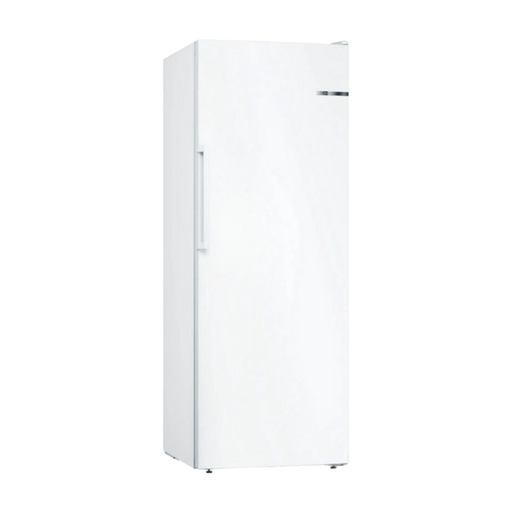 Image unavailable
A good fit if you want to freeze a larger amount each day and organise your stock by compartment.
Stated freezing capacity: 16 kg per 24 hours; capacity: 200 litres; NoFrost and SuperFreeze.
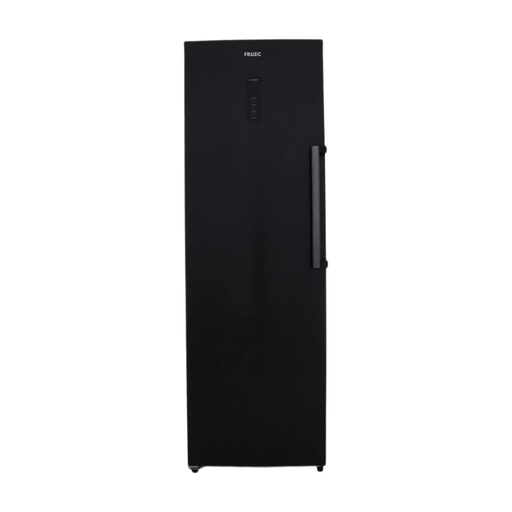 Image unavailable
An option to compare if you want to freeze a larger amount at once and are looking for NoFrost.
Stated freezing capacity: 17 kg per 24 hours; capacity: 274 litres; NoFrost, digital display and energy label C.
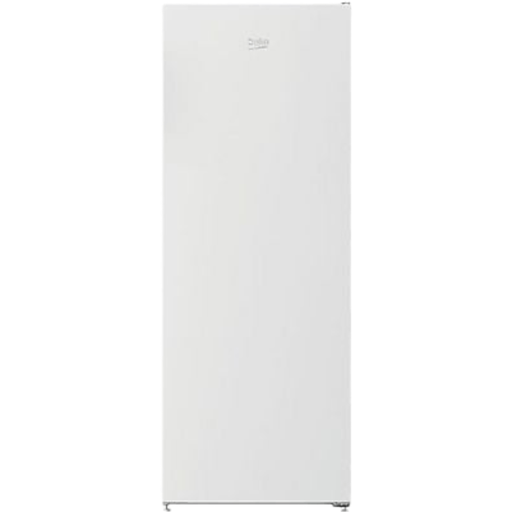 Image unavailable
A good fit if you want to store food in separate drawers and compare the stated freezing capacity.
Stated freezing capacity: 10 kg per 24 hours; capacity: 196 litres; No Frost and five freezer drawers.
 Image unavailable
A chest freezer to consider if you want to store a small to medium-sized batch and would find a removable basket useful.
Capacity: 99 litres; stated freezing capacity: 4,5 kg per 24 hours; four-star rating and wire basket.
 Image unavailable
A compact option if you want to store smaller portions in separate drawers.
The product name states 60 litres. The description lists four transparent drawers and no No Frost.
After blanching, cool the carrots quickly in iced water, then let them cool thoroughly and divide them into small portions. Set the freezer to at least −18 °C and don’t add more at once than the model’s stated freezing capacity allows.
Voedingscentrum recommends storing vegetables in the freezer for up to 12 months after blanching, although their quality gradually declines. Bewaarwijzer recommends three months for fully cooked carrots, which is a different preparation category. Write the freezing date on the packaging.
It depends on the exact model and the temperature in the shed. Check the climate class and permitted ambient temperature; not every appliance operates according to its specifications at temperatures below 10 °C.
NoFrost is mainly useful if you want to defrost the freezer manually less often; it isn’t essential for freezing carrots. The Consumentenbond also points to possible trade-offs around space and energy, so compare the energy consumption and capacity of the exact models.
Compare the current EU energy label for the exact version, and check its annual consumption in kWh and storage capacity too. The European Commission states that household freezers have used the A to G scale since 1 March 2021; older label ratings aren’t directly comparable.