
Small harvest, limited space
You want to store a few portions and first work out whether your existing freezer space is sufficient or a compact table-top model would fit.


Start with the amount of berries you pick at a time and the freezer space you already have. For a few portions, a suitable existing freezer compartment may be enough, while a larger or recurring harvest may make a separate freezer more practical. Then choose between a table-top, upright or chest freezer, based on the space available and how easily you want to reach individual portions. The Netherlands Nutrition Centre advises using freezer space that can be set to −18 °C or colder to freeze berries.
You want to store a few portions and first work out whether your existing freezer space is sufficient or a compact table-top model would fit.
You want to freeze berries from different picking sessions separately and easily find the right portion later.
You want to process larger quantities and weigh up storage space, freezing capacity and the room available for an upright or chest freezer.
Start by considering the space you need for your largest picking session and how you want to store portions. Then compare the annual energy consumption and dimensions of models that meet your needs.
| Buying consideration | What to look for | Who is it for? |
|---|---|---|
| Freezing berries in portions | Check that the freezer space can be set to −18 °C or colder and that there is room for a tray or shallow containers. For a large picking session, also compare the freezing capacity in kg per 24 hours. | I want to freeze the berries individually so I can easily take out a portion for a meal later. Around 40% of shoppers in this garden-berry scenario prioritise portioning. |
| Capacity and layout | Measure the space where you plan to put the freezer and check the capacity, external dimensions and layout of drawers or baskets. The Consumers’ Association notes that the contents of an upright freezer with drawers are easier to access than those of a chest freezer. | When I store berries from different picking sessions, I want plenty of space and to find the right portion quickly. Around 30% of shoppers prioritise capacity and layout. |
| Energy consumption | Compare the energy label and stated consumption in kWh per year for models with a suitable capacity. Actual consumption may differ from the label measurement. | I don’t want to choose a larger freezer than my harvest requires, and I also consider its energy consumption throughout the year. For around 20% of shoppers, energy use is the main consideration. |
| Positioning and maintenance | Measure the available space and check the permitted ambient temperature range for the exact model. Also find out what defrosting and maintenance the system requires. | If I’m using an unheated space, I want to know whether the manufacturer says the freezer can be kept there and how much maintenance it needs. Around 10% of shoppers prioritise positioning and maintenance. |
The Netherlands Nutrition Centre advises a temperature of −18 °C or colder. A one- or two-star freezer compartment cannot be set to this temperature.
Check the star rating and temperature setting before using your existing freezer space or choosing a new appliance.
Capacity doesn’t tell you how easy it is to find small portions. Milieu Centraal recommends choosing a suitable size and paying attention to the energy label; the layout also affects how accessible your frozen food is.
Compare your largest expected harvest with the space available, and check the layout and energy consumption of the exact models you’re considering.
The permitted ambient temperature range varies by model. Bosch and Liebherr provide model-specific information about this.
Check the manufacturer’s temperature range for the exact appliance and compare it with the temperature where you plan to put the freezer.
Bosch offers a range of freestanding upright freezers. The GSN29UWEW is one model to compare if you’re looking for drawers and a stated freezing capacity.
Liebherr offers table-top and chest freezers, among other options, so you can compare a model with accessible drawers against a chest freezer with a top-opening lid.
Beko offers several types of freezer. The CF100EWN is a chest freezer worth comparing with upright models.
These compact upright and table-top freezers are worth comparing for storing individual portions. To freeze berries, the freezer space must be settable to −18 °C or colder; check the setting for the exact model.
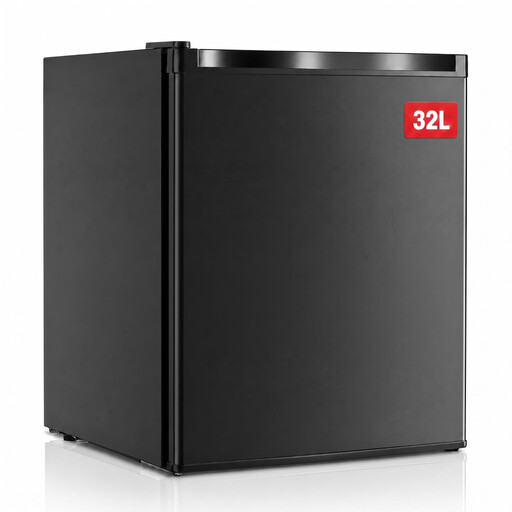 Image unavailable
Could suit small portions and limited space, if 32 litres is enough for you.
Capacity: 32 litres. Stated temperature setting: −10 °C to −22 °C. Dimensions: 45,4 × 44,3 × 49,5 cm. The description mentions removable glass shelves.
 Image unavailable
Could suit you if you’re looking for a table-top model with drawers for separate portions. Check that its temperature setting meets your requirements for storing berries.
Capacity: 87 litres. Three transparent drawers. Energy rating B and stated consumption of 84 kWh per year. Freezing capacity: 4,4 kg per 24 hours. Dimensions: 550 × 850 × 580 mm.
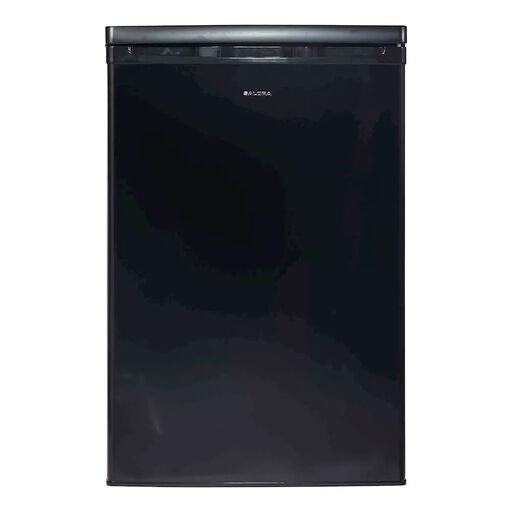 Image unavailable
Could suit you if you pick berries regularly and want to store them in separate drawers.
Capacity: 91 litres. Four drawers. Stated temperature setting: −12 °C to −20 °C. Freezing capacity: 4,4 kg per 24 hours. Energy rating E and stated consumption of 166 kWh per year. Dimensions: 85 × 55 × 58 cm.
 Image unavailable
Could suit a larger or recurring harvest if you want to take the stated freezing capacity into account.
Capacity: 122 litres. Stated temperature setting down to −24 °C and freezing capacity of 5,5 kg per 24 hours. Energy rating E and stated consumption of 193 kWh per year. The product title mentions No-Frost.
 Image unavailable
Could suit you if you’re looking for a smaller freezer with separate compartments to organise your frozen food.
Capacity: 60 litres. Stated temperature setting down to −24 °C and freezing capacity of 6 kg per 24 hours. The description mentions three storage compartments.
Use freezer space that can be set to −18 °C or colder, and don’t freeze too much at once. For raspberries, the Netherlands Nutrition Centre advises washing and patting them dry first, then freezing them in a thin layer on a tray so they’re less likely to stick together.
The Netherlands Nutrition Centre gives a freezer storage time of 8–12 months for strawberries, raspberries and blueberries; the quality may deteriorate after that. This is storage guidance for these types of fruit, not a promise that a particular freezer will preserve their original texture.
That depends on the permitted ambient temperature range of the exact model. Bosch lists an SN range starting at +10 °C for the GSN29UWEW; Liebherr says the FNdi 1624 can operate at an ambient temperature as low as −15 °C. Compare this manufacturer information with the conditions where you plan to put the freezer.
The European energy label runs from A to G. Also compare the stated consumption in kWh per year of models with a suitable capacity. ACM ConsuWijzer explains that a manufacturer’s or additional warranty is separate from your legal right to a product that, under normal use, meets the standards you could reasonably expect. For this legal right, you should contact the seller.
According to the Dutch government, when a private customer buys a new, similar appliance, the free old-for-new scheme applies, including to online purchases. If the old appliance can’t be taken away at the same time, agree in advance how collection will be arranged when your new one is delivered.