
Vandaag of morgen in huis

Kwaliteit gegarandeerd

Welkomstaanbiedingen ontgrendelen: GRATIS bezorging | Tot 80% korting | Gratis 30 dagen JoyPlus-proefperiode
Download de app
Freezer bags may seem straightforward, but you often only notice a poor choice when food leaks, bags tear or portions don't stack neatly. When storing food in the freezer, size, closure and material all play an important role.
Also pay attention to marketing claims. A bag labelled "extra strong" can still be unsuitable for sharp bones or overfilled portions in practice. And "reusable" doesn't automatically mean the product is dishwasher-safe or suitable for long-term use. Always check the product description and packaging.
A small bag is handy for snacks or chopped fruit, but not for a full meal. A bag that's too large contains lots of empty space, making it harder to organise portions neatly. For meal prep, multiple sizes are often more practical than one universal size.
Think about:
A large pack may seem good value, but the real benefit depends on the contents per bag and the closure. Compare the price per bag and the capacity. A pack of 120 small freezer bags might suit daily use, while 25 bags of 1 litre could be enough for occasional freezing.
Also check whether they are genuine freezer bags or general resealable bags. Not every food storage bag is suitable for long-term storage at low temperatures.
A zip-lock or press-seal closure helps seal the contents, but the result depends on correct use. A bag that's too full, dirty at the seal edge or closed crookedly can still leak. Place liquid contents upright and leave some space at the top.
Claims like "leak-proof" or "100% leak-proof" come from the brand's product communication. Don't treat them as a guarantee for every situation. Check the closure after filling and use an extra container for soups or sauces if needed.
For food storage bags, a clear indication of food suitability is important. Look for information on the packaging about the material, food contact and use in the fridge or freezer. A suitable bag should not only be flexible but also withstand the temperatures it's intended for.
Polyethylene (PE) is common in freezer bags and resealable bags. The exact thickness and composition vary by product. If in doubt about microwave, oven or dishwasher use, always follow the instructions on the packaging. A bag that's suitable for the freezer is not automatically suitable for heating.
A sturdy zip-lock or resealable edge makes portioning easier. Look for:
For daily use, reusable freezer bags are interesting, but check the care instructions. Some bags can go in the dishwasher according to the product description; others are intended for single or limited reuse. Let reusable bags dry completely before using them again.
A capacity indication in litres is handy, but dimensions give extra information. A 1-litre bag can be wide and flat or narrow and tall. For meal prep, a flat shape is often practical: portions freeze faster and more tidily.
Label each bag with contents and freezing date. This stops older meals from getting left at the back of the freezer. Store raw and cooked products separately and never fill bags so full that the closure is under strain.
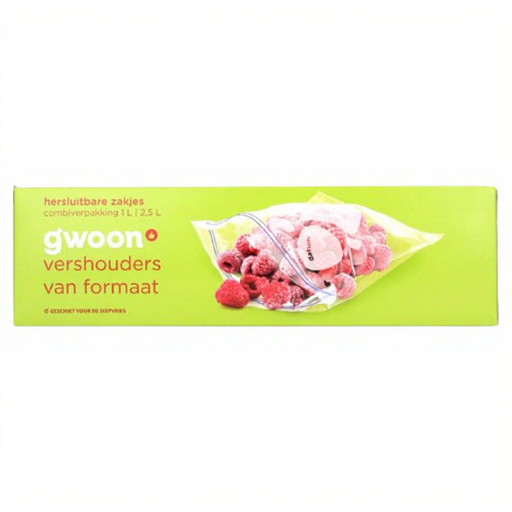
Why this fits the profile: The 1-litre capacity is straightforward for snacks, small leftovers and single portions. The transparent bags are suitable for meal prep and organising according to the product description.
The fixed size stops you from using bags that are too large for small portions. Check the packaging to confirm that freezing is allowed.
1-litre capacity; resealable closure; food-safe material according to the product information.
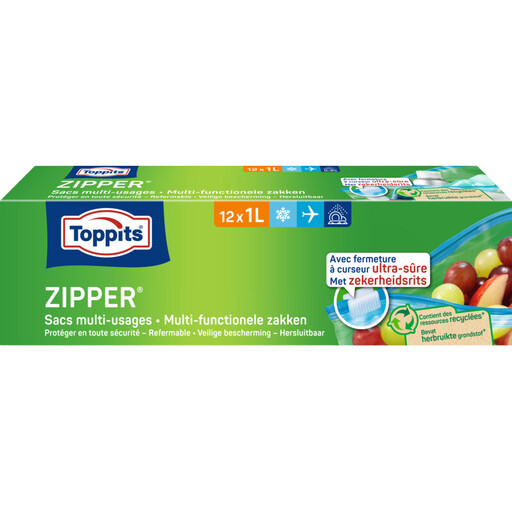
Why this fits the profile: This 1-litre format is intended for the fridge, freezer, snacks and marinades. According to the product description, the bags are reusable and dishwasher-safe; check the current packaging to confirm.
The product information mentions sturdy film and reuse. Don't overfill the bag and check the seal edge before transporting.
1-litre capacity; suitable for multiple storage applications according to the product description; dishwasher resistance is stated by the brand.
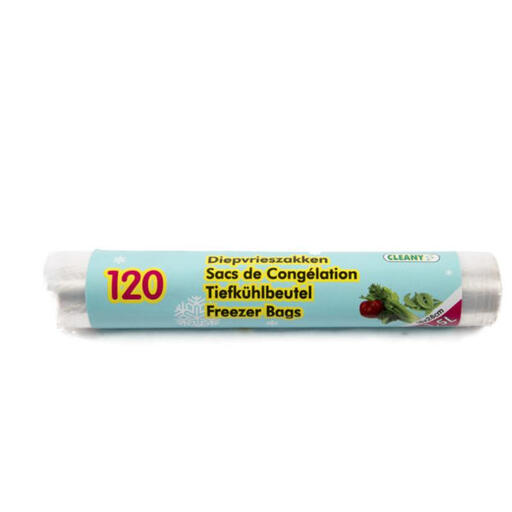
Why this fits the profile: The pack contains 120 bags of 1.5 litres. That suits families, regular meal prep and households that often freeze fruit, vegetables, meat or leftovers.
The generous number of bags reduces the chance of having to reuse bags for raw and cooked products. Seal the bag properly and leave room for expansion.
1.5 litres per bag; 120 bags per pack; made from leak-resistant plastic and produced in the Netherlands according to the product description.
We've put together a full, up-to-date list of products that fully meet these strict selection criteria and current European safety regulations.
Fill a bag with a cooled portion and gently press out excess air before closing the seal. Lay liquid products flat first or place them upright in a container until frozen. Use a permanent marker or label for the contents and date.
Wash reusable bags according to the instructions. Don't reuse bags when they are damaged, have a lasting odour or no longer seal properly. General zip-lock bags are suitable for household items, but don't reuse them for food if they've previously come into contact with cleaning products or other non-edible items.
Only if the packaging states they are suitable for freezing. A general food storage bag may be thinner or have a closure not intended for long-term storage at low temperatures. When in doubt, choose freezer bags with a clear freezer indication.
The lifespan depends on the material, use and care. There is no fixed usage duration for all products. Check the bag after each use for tears, discolouration and a poorly sealing edge. A brand's product information about reuse is a product specification, not a guarantee for every household situation.
Large freezer bags can be used for this if they are suitable for liquid foodstuffs according to the packaging. Don't fill them completely, seal them carefully and place them upright in a bowl or container. This limits the consequences of possible leakage during freezing.
