
Cooks with a large saucepan
You make a generous amount of sauce and want to know whether your pan’s base will fit the cooking zone. Measure the base of your pan and compare it with the dimensions of the zone.


Start by checking the base diameter of your saucepan, how many pans you want to use at once and the connection in your kitchen. A freestanding hob may suit you if you mainly want to simmer one pan; if you want to cook a sauce and side dishes at the same time, the space and layout of the cooking zones matter more than the number of zones alone. Induction requires suitable pans, while ceramic hobs let you continue using your existing flat-based pans; bear in mind that a ceramic hob stays hot for longer.
You make a generous amount of sauce and want to know whether your pan’s base will fit the cooking zone. Measure the base of your pan and compare it with the dimensions of the zone.
You want to use several pans at once. So, look not only at the number of zones, but also at their position, the space available and room for the handles.
You’re looking for a freestanding hob or a built-in model that suits your kitchen’s electrical installation. The connection required varies by model; don’t assume it based only on the number of phases in your home.
A good fit if: you don’t have a suitable space for a built-in hob and want to use one or two pans.
Bear in mind: two zones won’t necessarily provide enough space or power for two large pans. According to Inventum, the Inventum VKI3020ZWA has two 19 cm zones and a maximum total power of 2000 W.
A good fit if: you regularly cook sauce and side dishes at the same time, and your available space, pans and electrical connection are suitable.
Bear in mind: measure the cut-out and the space between pans. A bridge function depends on the model and doesn’t replace checking pan size and the electrical installation.
A good fit if: you want to keep using your existing flat-based pans that aren’t suitable for induction.
Bear in mind: the hob stays hot for longer after use. According to ETNA, the ETNA KCV254KWIT requires a two-phase Perilex connection.
| What to consider | What should you check? | Who is this important for? |
|---|---|---|
| Will the saucepan fit? | Measure the base of the pan and compare it with the diameter of the cooking zone. | If I’m making a large pan of sauce, I want to know whether the base will fit the zone; around 36% of consumers prioritise pan fit. |
| Cooking at the same time | Compare the position of the zones and the space the pans take up, including their handles. | If the sauce needs to cook alongside a side dish, I want to be able to fit both pans on the hob; around 29% of consumers prioritise cooking at the same time. |
| Electrical connection | Check the plug, phases and connection rating required for the exact model. | If I want to use the existing installation, I want to know in advance what connection the model requires; around 21% of consumers prioritise the connection. |
| Pans and residual heat | Check whether your pans are suitable for induction and read the manual to see how residual heat is indicated. | If I want to keep my current pans or need to allow for a hot hob after cooking, I want to know which heating method is suitable; around 14% of consumers prioritise pan compatibility or residual heat. |
The size and position of the zones can determine whether your pans will fit at the same time. The Consumentenbond points out that some freestanding hobs can be a tight fit.
Measure your pans, including the handles, and compare the zone layout before choosing based on the number of zones.
The connection required depends on the model. According to ETNA, the ETNA KCV254KWIT requires a two-phase Perilex connection.
Check the connection details for the exact model and, if in doubt, ask an installer to assess your installation.
Induction requires a suitable pan base. AEG says that existing flat-based pans can be used on a ceramic hob; a ceramic hob may stay hot for longer after use.
Check the base of your saucepan before choosing a heating method, and follow the instructions for use and cleaning.
Worth considering if you’re looking at a freestanding induction hob.
Worth considering if you’re comparing a freestanding ceramic hob with a built-in induction hob.
Worth considering if you’re looking at a four-zone built-in induction hob.
Worth considering if you’re looking at a wider built-in induction hob or a zone for larger cookware.
This selection includes freestanding and built-in hobs, with both ceramic and induction models for cooking with one or several pans.
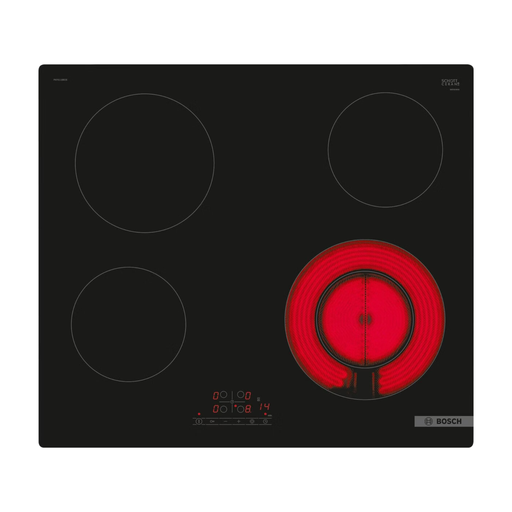 No image available
A ceramic built-in hob for anyone who wants to keep using their existing flat-based pans and cook with several pans.
The product information specifies a two-phase, 5-pin Perilex connection; the cable and plug are not included, and professional installation is required.
 No image available
A two-zone option to consider if you’re looking for a freestanding hob for a main course and perhaps a second pan.
The product name lists five temperature settings. Before buying, check the connection required and whether your pans are suitable for induction.
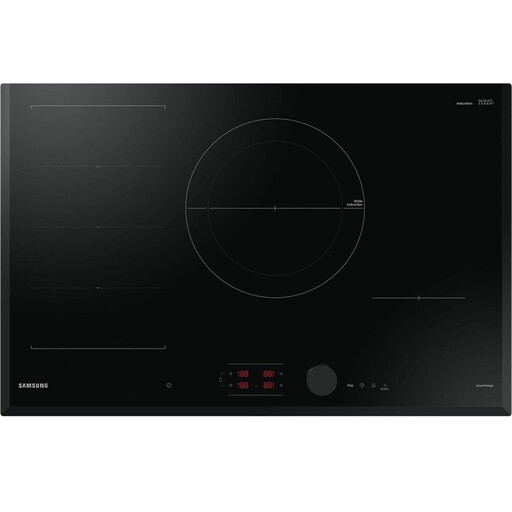 No image available
A built-in model to consider if you need room for several pans and your kitchen can accommodate a wider hob.
The product name lists four cooking zones and a ceramic glass surface. According to the product information, installation must be carried out by a qualified electrician.
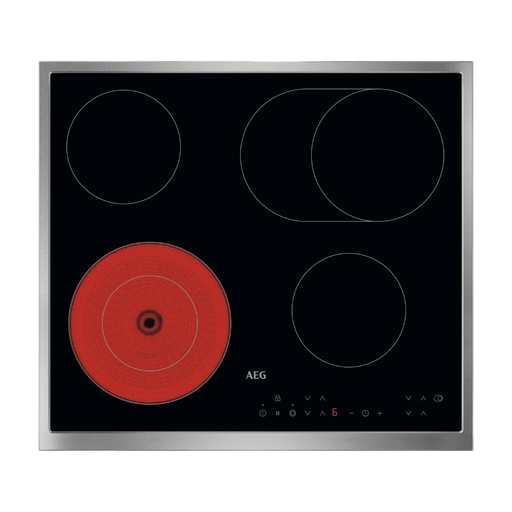 No image available
A ceramic built-in hob to consider if you want to use several of your existing flat-based pans.
The product name lists four cooking zones and expandable cooking zones. Check the product information to see whether the zone layout suits the base of your saucepan.
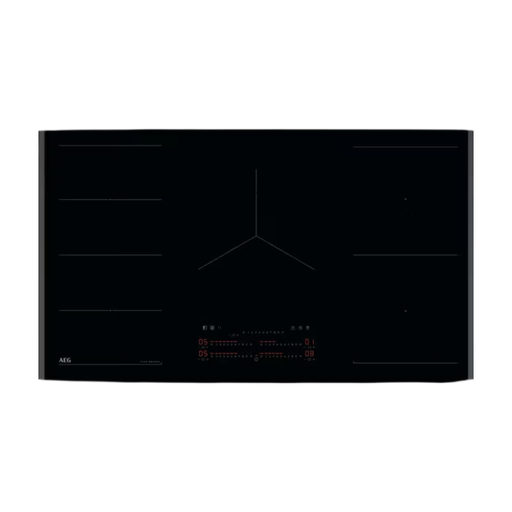 No image available
A built-in induction hob to consider if you use several pans and want to fit a larger pan on the hob.
The product name lists touch controls, PowerBoost and a bridge zone. Check the pan sizes required and the connection needed for your kitchen.
Choose based on how many pans need heat at the same time, and measure the pan bases and the available space. An extra zone only helps if the pans fit next to each other; the Consumentenbond notes that some freestanding hobs can be a tight fit.
That depends on the exact model and your electrical installation. Inventum states that the VKI3020ZWA has a standard plug for an earthed socket; ETNA states that the KCV254KWIT requires a two-phase Perilex connection. If in doubt, ask an installer to assess the connection.
Check the controls and timer for your chosen model in the manual, and allow for residual heat. According to Inventum, the timer on the VKI3020ZWA switches off the relevant zone after the set time; this feature isn’t automatically available on other hobs.
According to ACM ConsuWijzer, the seller is responsible if a product used normally doesn’t do what you could reasonably expect it to. A manufacturer’s warranty doesn’t replace this legal right; in the Netherlands, there isn’t one fixed statutory warranty period for every hob.
A CE mark is required for product categories covered by the applicable harmonised EU rules. Your Europe explains that the mark is a declaration by the manufacturer, not a quality mark issued by a central EU body. Check the information for the exact appliance; general guidance doesn’t confirm that an individual product listing complies.