
Vandaag of morgen in huis

Kwaliteit gegarandeerd

Welkomstaanbiedingen ontgrendelen: GRATIS bezorging | Tot 80% korting | Gratis 30 dagen JoyPlus-proefperiode
Download de app
Choosing a new fridge freezer can sometimes feel like navigating a maze of specifications and marketing promises. You're looking for a reliable appliance that keeps your groceries fresh, doesn't consume too much power, and, most importantly, doesn't create an annoying hum in your kitchen. However, a few common pitfalls can lead to a disappointing purchase.
Before you make a decision, it's important to know what to look for. We've outlined the key points to consider, ensuring you choose a model that truly fits your household.
To avoid these pitfalls, focus on a few objective specifications. These three factors will determine if a freestanding fridge freezer is right for your situation.
Based on these objective criteria, we have selected several models that suit different households.
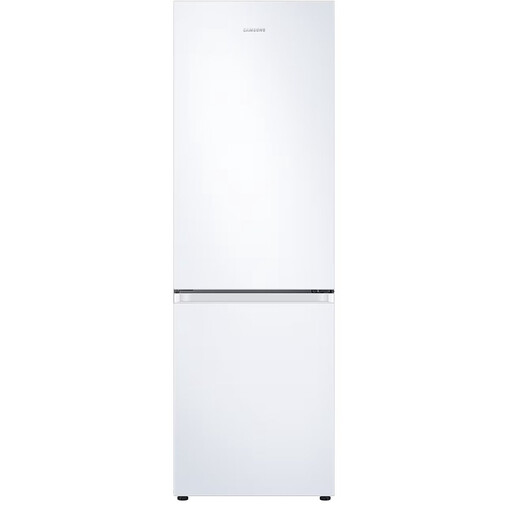
Why This Fits Their Persona: With 344 litres, this Samsung fridge freezer offers plenty of space for a family's weekly groceries. The Wi-Fi connectivity with the SmartThings app allows for energy consumption monitoring, which is useful for a cost-conscious household.
With a noise level of just 35 dB (Class B), this is a very quiet refrigerator, ensuring it won't be disruptive in an open-plan kitchen. The No Frost technology is reliable, and the AI Energy Mode actively helps to reduce consumption.
SpaceMax technology provides more internal space within the same external dimensions. The combination of a generous capacity, smart features, and a low noise level offers excellent value.
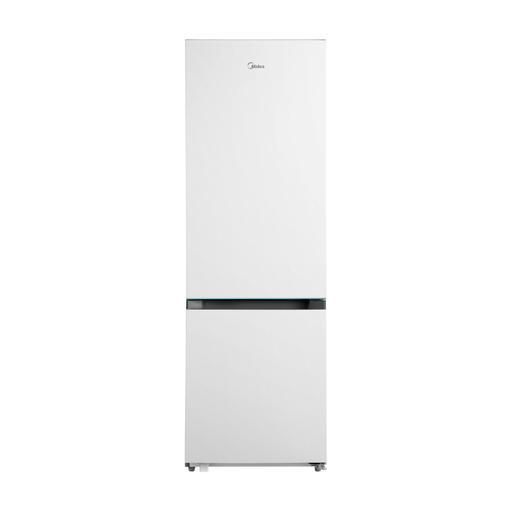
Why This Fits Their Persona: This model offers a generous 330-litre capacity at a competitive price. It's a no-nonsense fridge with a no-frost freezer that does what it's supposed to do, without unnecessary extras. Ideal for those seeking a reliable and affordable appliance.
The noise level of 35 dB is exceptionally low for this price category, avoiding the pitfall of a loud refrigerator. Its energy consumption of 248 kWh/year is transparent and predictable.
Excellent value for money. The reversible door offers flexibility for placement in a smaller kitchen or apartment.
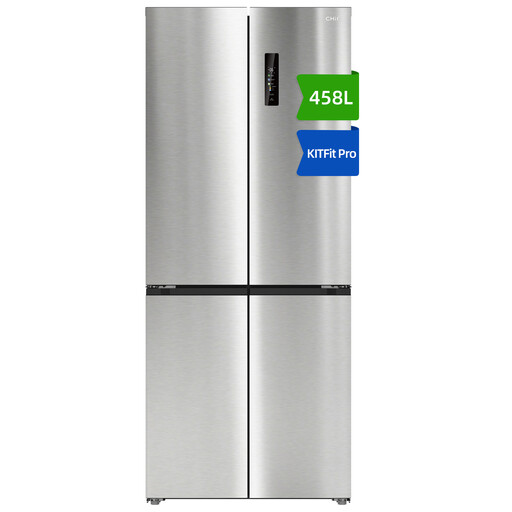
Why This Fits Their Persona: For large families or those who like to buy in bulk, the 458-litre capacity of this cross-door model is ideal. The four-door design minimises cold loss, and the special Care+ drawer offers flexible storage for meat, vegetables, or drinks.
Despite its size, this model is very quiet at 37 dB thanks to its inverter compressor. The No Frost technology with 360° air circulation tackles the problem of dehydration by ensuring an even temperature throughout.
The KITFit Pro design allows for a sleek installation with minimal clearance, giving it a built-in look. Its huge capacity and flexible fresh zone are its biggest advantages.
We have compiled a complete, up-to-date list of products that meet these strict selection criteria and local safety regulations.
A modern, energy-efficient fridge freezer (approx. 300-350 litres) with a D rating consumes, on average, between 190 and 210 kWh per year. A model with an E rating is often around 230-250 kWh per year. Always check the specific annual consumption on the energy label for the most accurate information.
For an open-plan kitchen, a noise level of 37 dB or lower (Class B) is recommended. These models are considered very quiet and produce a sound comparable to a whisper. Appliances around 40 dB (Class C) are audible and can be perceived as disruptive if you are in the same room.
The average lifespan of a fridge freezer is between 10 and 15 years. This is influenced by the quality of the components, such as the compressor, and proper maintenance. Regularly cleaning the dust from the back and ensuring adequate ventilation space can extend its lifespan.
