
Vandaag of morgen in huis

Kwaliteit gegarandeerd

Welkomstaanbiedingen ontgrendelen: GRATIS bezorging | Tot 80% korting | Gratis 30 dagen JoyPlus-proefperiode
Download de app
Picking out a new freestanding fridge-freezer seems simple until you get tangled in a web of marketing jargon, energy labels, and features you might never use. Many people pay too much for specifications that add little practical value or choose a model that doesn't suit their lifestyle. As a Product Recommendation Officer at Joybuy, I cut through the noise and give you practical guidance to make a well-informed choice.
Before we look at models, let's discuss the three most common pitfalls:
Don't be distracted by marketing fluff. These three technical specifications determine whether a fridge-freezer is a smart purchase for your household.
Since 2021, the energy label has been updated, with the scale now running from A (most efficient) to G. A model with an old A+++ label might now have a C or D rating. Don't just focus on the letter grade. The annual energy consumption in kilowatt-hours (kWh) is the most important indicator for your wallet. An energy-efficient fridge with a C rating under the new standards is already a highly efficient choice and can save you a significant amount each year compared to an E or F-rated model.
A refrigerator's noise is measured in decibels (dB). For a quiet living environment, particularly in an open-plan kitchen, this is a crucial factor.
Ice build-up in the freezer compartment reduces efficiency and takes up valuable space. The solution lies in the defrost system.
Below are several models that score well on the core specifications above, matched with a suitable user profile.
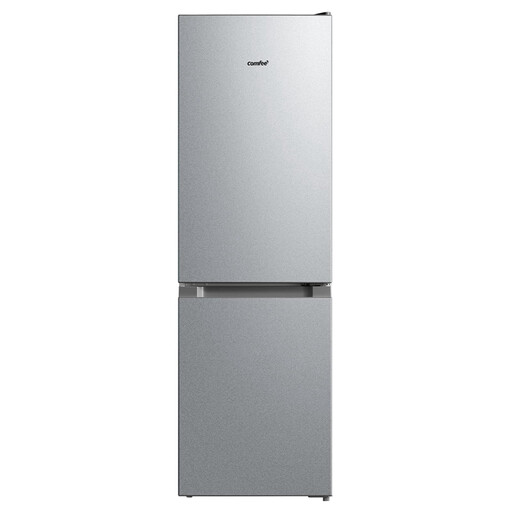
Why This Fits Their Persona: Ideal for one or two-person households with a smaller budget or kitchen. This model provides essential features without the cost of advanced extras.
You aren't paying for superfluous smart features. The Low Frost technology is a smart compromise that keeps the price down while minimising maintenance.
An attractive price point and a compact footprint (150 cm height) that fits into many kitchens. The total capacity of 174 litres is practical for smaller households.
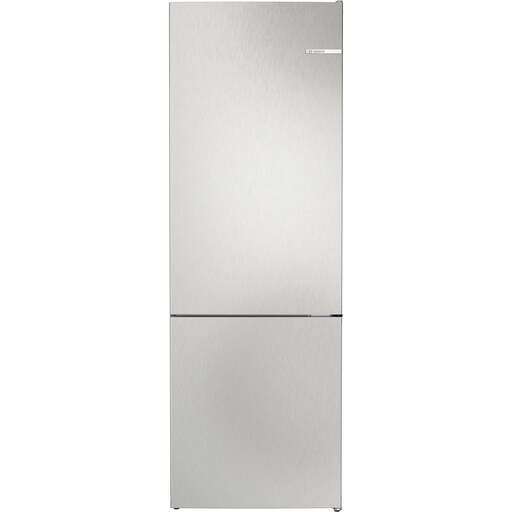
Why This Fits Their Persona: Families need a large fridge with a flexible layout for the weekly grocery haul. The VitaFresh drawers help keep food fresh for longer, reducing waste and extra trips to the supermarket.
The XXL capacity isn't just an empty claim here. The Flex Interior design and adjustable shelves make the 391 litres of space genuinely usable for large items and platters.
Full No Frost technology saves time and effort. The VitaFresh drawers with adjustable humidity keep vegetables, fruit, meat, and fish fresh for longer.
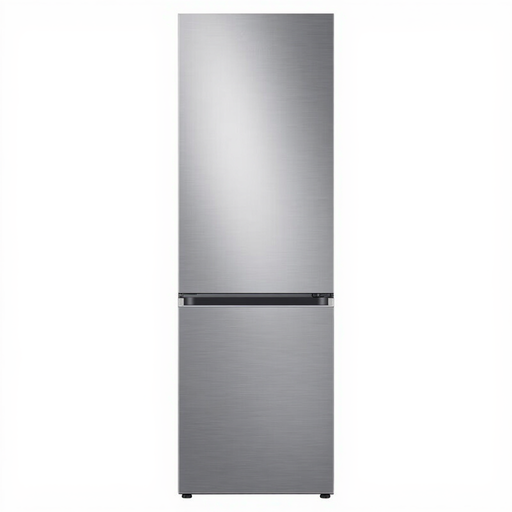
Why This Fits Their Persona: For those with an open-plan kitchen who value peace, design, and modern technology. This Samsung fridge-freezer combines a very low noise level with a sleek stainless steel finish and useful smart features.
This is a genuinely quiet fridge-freezer with a verifiable noise level of 35 dB. The SmartThings app focuses on practical energy management, which adds real value instead of being a gimmick.
Extremely quiet (35 dB) and energy-efficient (Class C). The Optimal Fresh+ and Humidity Fresh+ drawers offer advanced, flexible options for optimal food preservation.
We've compiled a complete, up-to-date list of products that fully meet these strict selection criteria.
A model is considered quiet at a noise level of 38 decibels (dB) or lower. Models rated at 35 dB or less are exceptionally quiet and ideal for open-plan kitchens, as their sound level is comparable to a whisper. Always check the specifications for the exact dB rating.
The difference can be significant over the appliance's lifespan. A C-rated fridge consumes around 165 kWh per year on average, which at an electricity price of €0.30/kWh, amounts to about €49.50. A comparable E-rated model can easily use 215 kWh (€64.50 per year). This represents an annual saving of €15, adding up to €150 over a 10-year period.
The average lifespan of a modern fridge-freezer is between 10 and 15 years. This depends on the quality of the compressor, usage, and maintenance. Regularly cleaning dust from the back and keeping the door seals clean can help extend its lifespan.
