
Vandaag of morgen in huis

Kwaliteit gegarandeerd

Welkomstaanbiedingen ontgrendelen: GRATIS bezorging | Tot 80% korting | Gratis 30 dagen JoyPlus-proefperiode
Download de app
Choosing a new fridge-freezer seems simple, until you dive into the specifications. Manufacturers make big promises, but in practice, vague terms and marketing hype often lead to a poor purchase. Before you invest in an appliance that will be in your kitchen for years, it's wise to look beyond the sales pitch.
There are three common pitfalls:
To find a model that truly fits your situation, it's helpful to understand a few key specifications. These objective criteria will help you make an informed decision.
The new energy label runs from A (most efficient) to G (least efficient). An energy-efficient fridge with a C or D rating is an excellent choice today, especially for larger models. Pay close attention to the annual energy consumption in kWh on the label. Multiply this number by your electricity rate, and you'll know exactly what the appliance will cost you annually. This makes comparing models much more concrete.
For those with an open-plan kitchen or who are sensitive to noise, the sound level is a crucial factor. A quiet fridge-freezer is essential for home comfort.
Remember that every 3 dB increase represents a doubling of the sound. A 38 dB model is therefore twice as loud as a 35 dB model.
The term "No Frost" is used frequently, but the technology differs.
A No Frost fridge-freezer (Total No Frost) offers the most convenience and ensures a more stable temperature, which improves the shelf life of your food.
Every household has different needs. Below are some recommendations linked to specific requirements and based on verifiable specifications.
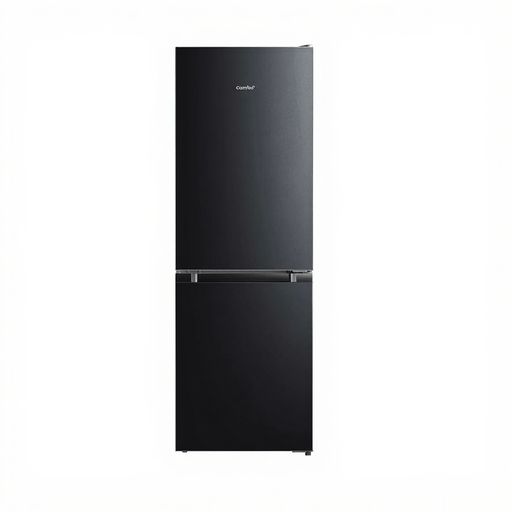
Why it's a match: Perfect for 1- to 2-person households or kitchens with limited space. At 150 cm tall and 47 cm wide, this black fridge-freezer is exceptionally compact.
The "Low Frost" specification is clear, so there's no false promise of being completely frost-free. You know what you're getting at a competitive price.
Its compact size and a reversible door offer maximum placement flexibility in smaller spaces.
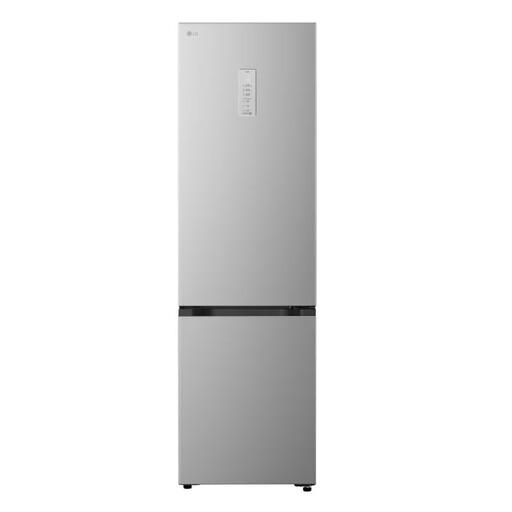
Why it's a match: With a noise level of just 34 dB, this LG fridge is exceptionally quiet, allowing it to blend seamlessly into an open-plan kitchen without any disruptive humming.
This model directly tackles the "quiet" marketing pitfall with an objectively low decibel rating. No subjective claims, just a measurably silent appliance.
Extremely quiet (34 dB) with an excellent C-class energy rating. Its Total No Frost technology makes defrosting a thing of the past.
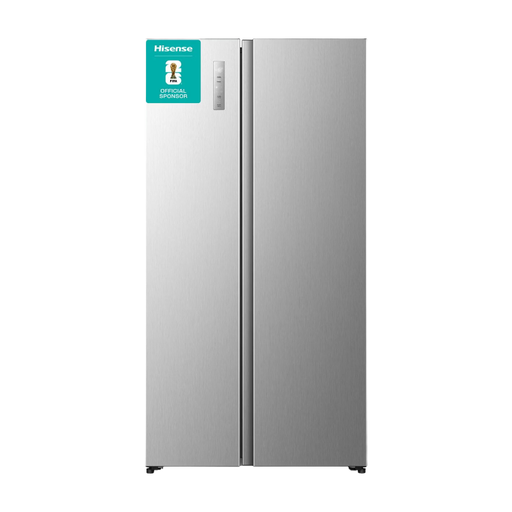
Why it's a match: This American-style fridge from Hisense offers an abundance of space with 558 litres of capacity, ideal for large families or those who like to buy in bulk.
It delivers on the side-by-side promise: massive capacity and the convenience of Total No Frost, so you'll never have to defrost again.
Enormous storage capacity and a well-organised layout. The stainless steel finish gives it a modern look.
We have compiled a complete, up-to-date list of products that meet these strict selection criteria and local regulations.
No Frost (or Total No Frost) completely prevents ice build-up in both the fridge and freezer compartments by circulating cold, dry air. You never have to defrost manually. Low Frost significantly reduces ice formation, but a thin layer of ice will eventually form, requiring you to defrost about once a year. It's a more budget-friendly alternative.
A good rule of thumb for the total capacity of a fridge-freezer is:
This is a guideline. If you often buy in bulk or freeze a lot of food, a larger model may be more convenient.
Most freestanding models require a few centimetres of clearance at the back and sides for ventilation to prevent overheating. Always check the user manual for the specific model's recommended distances. Some modern designs, such as models with bottom-mounted heat dissipation, can be placed closer to a wall.
