
Vandaag of morgen in huis

Kwaliteit gegarandeerd

Welkomstaanbiedingen ontgrendelen: GRATIS bezorging | Tot 80% korting | Gratis 30 dagen JoyPlus-proefperiode
Download de app
Choosing a new freestanding fridge-freezer seems simple until you dive into the specifications. Manufacturers use many terms that sound better than they are. As a result, you might pay for features that don't work as expected or end up with an appliance that doesn't suit your household. As a Product Recommendation Officer at Joybuy, I filter the market to help you make a well-informed choice, free from marketing jargon. Let's look at the three most common pitfalls so you can avoid a bad purchase.
To sidestep these pitfalls, it's crucial to check a few key specifications. This objective data says more than any marketing claim.
An energy-efficient refrigerator is not only good for the environment but also for your wallet. Don't just focus on the letter on the energy label (A to G). The most reliable indicator is the kWh/annum (kilowatt-hours per year). This number, which is mandatory on the label, shows the estimated annual electricity consumption. Multiply this by your current electricity rate, and you'll know exactly what the appliance will cost you annually.
Want to never defrost the freezer again? Then choose a model with Total No Frost. This system prevents ice build-up in both the fridge and freezer compartments by continuously circulating dry, cold air. A No Frost fridge-freezer not only saves you work but also keeps the temperature more stable, helping your food stay fresh longer. Models with Low Frost significantly reduce ice formation but still require you to manually defrost the freezer compartment about once a year.
For anyone with an open-plan kitchen or a home where noise travels easily, a quiet fridge-freezer is essential. The noise level is expressed in decibels (dB). A model with 39 dB or lower is generally considered quiet. The energy label also shows a noise class (A to D), with A being the quietest. This is an objective measure that helps you choose a model that won't become a disruptive factor in your home.
To get you started, I have selected a few models that are well-suited for different households. These choices are based on objective specifications like capacity, energy consumption, and ease of use.
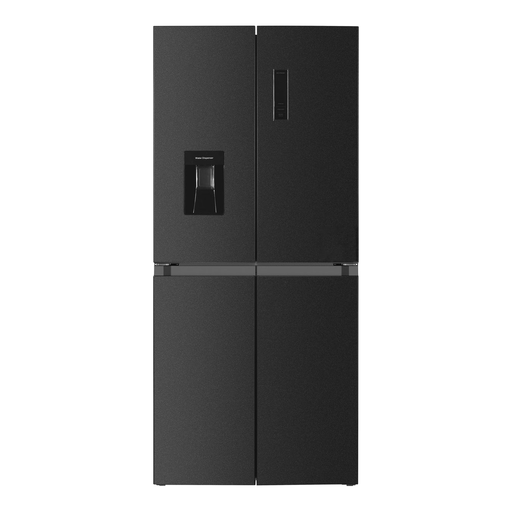
Why This Fits Their Persona: Perfect for families who buy groceries in bulk. This four-door `American-style refrigerator` offers an enormous 419 litres of space and a clear layout. The water dispenser is a handy extra for busy mornings.
This model is equipped with Total No-Frost technology, so you'll never have to defrost manually again. No hidden maintenance, just convenience.
Very spacious capacity: 269 litres for cooling and 150 litres for freezing. Convenient features: Includes a fast-freeze function and a door-open alarm.
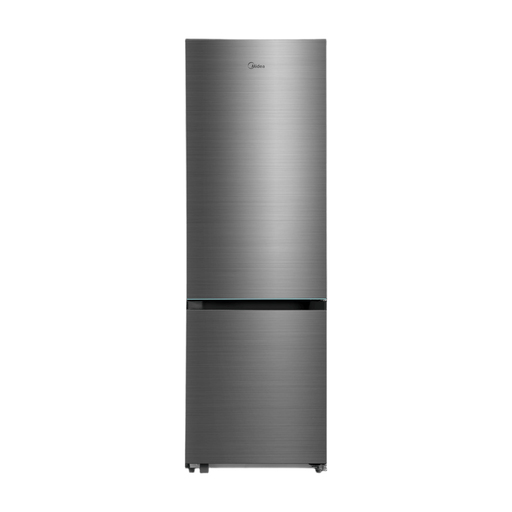
Why This Fits Their Persona: Ideal for city dwellers with an open-plan kitchen where peace and style are important. The sleek `stainless steel refrigerator` design fits into a modern interior, and its size is practical for smaller households.
With a noise level of just 35 dB (noise class B), this is a very `quiet fridge-freezer`. You avoid the pitfall of a disruptive, humming appliance in your living space.
Very quiet: 35 dB is ideal for open-plan kitchens. Total No Frost: No ice build-up in the fridge or freezer section.
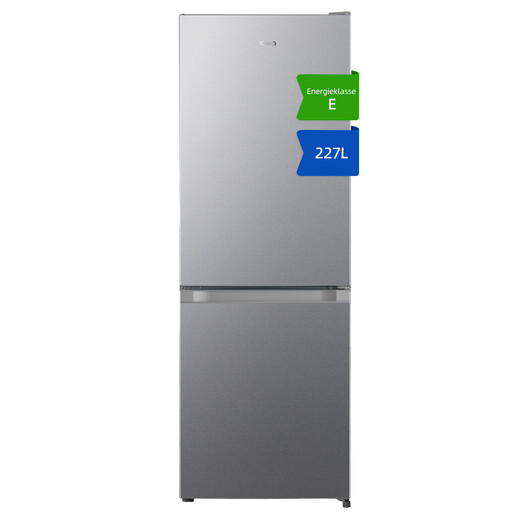
Why This Fits Their Persona: A solid and affordable choice for first-time buyers or small households. Its compact size (54 cm wide) fits in almost any kitchen, and it offers excellent value for money.
This model has Low Frost, which is a conscious trade-off. It's not Total No Frost, but it greatly reduces ice build-up and keeps the price down. A transparent choice for those for whom budget is a priority.
Compact size: At 54 cm wide, it's ideal for smaller kitchens. Quiet operation: A noise level of 39 dB is comfortable for most living environments.
We've compiled a complete, up-to-date list of products that meet these objective selection criteria and EU safety regulations.
The difference depends on the specific consumption (kWh/annum) of the models. For example, suppose a D-label refrigerator consumes 200 kWh/year and an E-label model consumes 240 kWh/year. At an electricity price of €0.30 per kWh, you would save (240 - 200) * €0.30 = €12 per year with the D-label model. Therefore, always look at the specific kWh consumption on the label for an accurate comparison.
For proper air circulation and efficient operation, it is recommended to leave at least 5 to 10 centimetres of space at the back. A few centimetres on the sides and top is usually sufficient. Always consult the manual of your specific model for the manufacturer's exact recommendations.
For most households, yes. The benefits are significant: you never have to defrost manually, the temperature in the freezer is more stable (which is better for your food), and there is no ice build-up that reduces storage space. The convenience and better food preservation make it a worthwhile investment for many.
