
Vandaag of morgen in huis

Kwaliteit gegarandeerd

Welkomstaanbiedingen ontgrendelen: GRATIS bezorging | Tot 80% korting | Gratis 30 dagen JoyPlus-proefperiode
Download de app
Choosing a new freestanding fridge seems simple until you dive into the specifications. Manufacturers throw around terms like "net capacity," "No Frost," and "energy class," but what do they really mean for your budget and daily convenience? Many people fall for marketing traps and end up with a model that's too large, too loud, or impractical.
As a Joybuy Product Recommendation Officer, I'm here to help you cut through the noise. We'll focus on what truly matters. Let's expose the three most common pitfalls when buying a fridge, so you can make an informed choice.
Pitfall 1: Misleading Capacity Specs. The gross capacity might sound impressive, but it's the net (usable) capacity that counts. An inefficient layout with thick walls can swallow up dozens of litres of usable space.
Pitfall 2: Fixating on the Energy Label. An A-rated, enormous American-style fridge can cost more to run annually than a C-rated compact model that's a perfect fit for your needs. The absolute consumption in kWh per year is a much better indicator.
Pitfall 3: The "Almost No Frost" Promise. True No Frost technology prevents ice build-up throughout the entire appliance. Cheaper variants like "Low Frost" or systems that only keep the freezer section ice-free mean you'll still have to defrost periodically.
Before you consider a fridge deal, it's crucial to match your needs to the specifications. These are the three factors that will define your choice.
The right capacity prevents energy waste and lack of space. A good rule of thumb for the required fridge space is:
Next, choose the type that suits your household:
Since 2021, the energy label scale runs from A (very efficient) to G (least efficient). An energy-efficient fridge is a smart investment, but look beyond the letter. The annual energy consumption in kWh on the label provides the most realistic cost estimate. A model with a lower kWh consumption is always more economical in the long run, even if its energy label isn't necessarily 'A'.
Below is a selection of models that score well on the above criteria, tailored to specific user profiles.
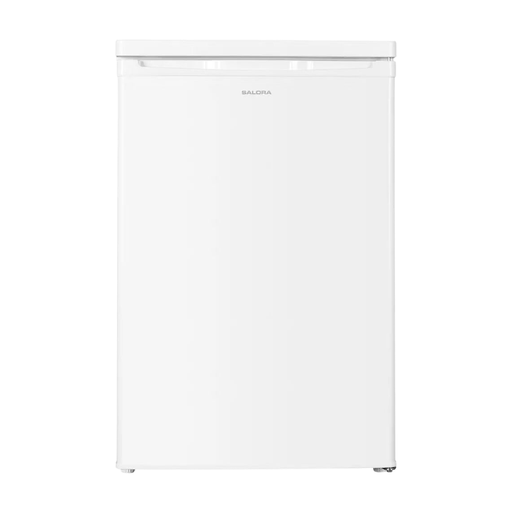
Why This Fits Their Persona: This tabletop model is perfect for a student room or a first apartment. With 95 litres of fridge space and a 14-litre freezer compartment, it offers enough capacity for a one or two-person household without taking up unnecessary space.
The net capacity of 109 litres is clear and practical. You're not paying for superfluous features or an oversized format, which keeps energy consumption manageable.
Compact and functional design with a 4-star freezer compartment for longer-term storage of frozen goods. The door is reversible for flexible placement.
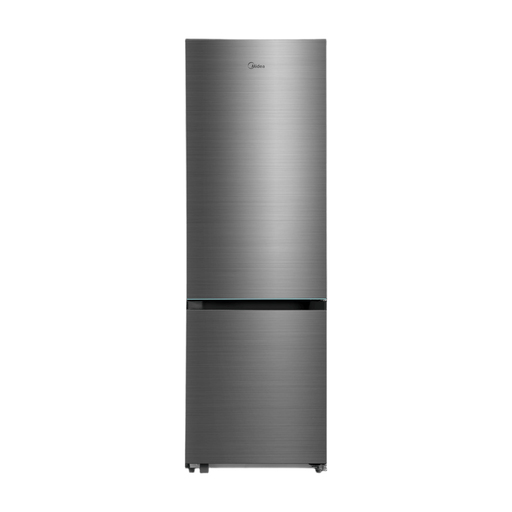
Why This Fits Their Persona: With 330 litres of total capacity, this fridge-freezer offers ample space for a family's weekly groceries. The combination of a spacious layout and modern features makes it a practical choice for a bustling household.
This model features true No Frost technology, making manual defrosting a thing of the past. With a noise level of just 35 dB, it's a very quiet fridge that won't be a disturbance in an open-plan kitchen.
Whisper-quiet operation (35 dB) and maintenance-free No Frost technology. The electronic controls with an LED display ensure precise temperature regulation.
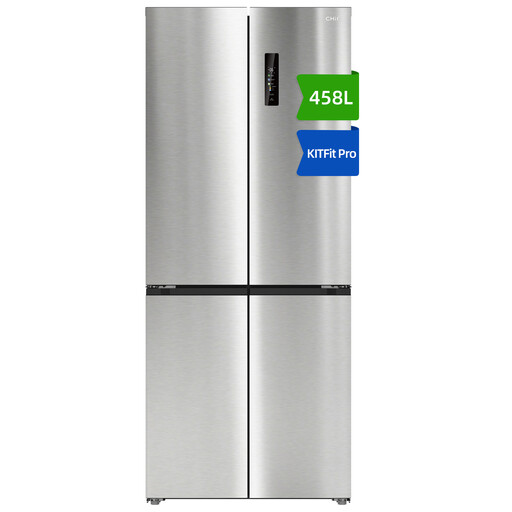
Why This Fits Their Persona: For those who want to make a statement in the kitchen. This cross-door model combines a huge capacity (458 litres) with a sleek, modern design. The KITFit Pro technology ensures the fridge aligns almost seamlessly with your kitchen cabinets for a built-in look.
This model offers luxury that is functional. The Care+ zone with three temperature settings is genuinely useful for storing meat, vegetables, or drinks. The inverter compressor is not only quiet (37 dB) but also energy-efficient.
Seamless 'True Flush' installation for a built-in appearance. Full No Frost technology and a quiet, reliable inverter compressor.
We've compiled a complete, up-to-date list of products that fully meet these strict selection criteria and local regulations.
A good rule of thumb is to plan for about 100-150 litres for a one or two-person household. For each additional person, you can add about 50 litres. Therefore, a family of four typically has enough with a fridge capacity of 200-250 litres.
No Frost completely prevents ice formation by continuously circulating cold, dry air through the freezer section. This means you never have to manually defrost again. Low Frost significantly reduces ice build-up, but you will still need to defrost the freezer compartment about once or twice a year.
A fridge is considered quiet when its noise level is below 38 decibels (dB). Models around 35 dB are whisper-quiet and ideal for open-plan kitchens or studios, where every sound is noticeable. This noise level is comparable to a whisper or the ambient sound in a library.
