
Vandaag of morgen in huis

Kwaliteit gegarandeerd

Welkomstaanbiedingen ontgrendelen: GRATIS bezorging | Tot 80% korting | Gratis 30 dagen JoyPlus-proefperiode
Download de app
Choosing a new freestanding freezer seems simple until you get tangled in a web of specifications, marketing terms, and models that all look the same. Many people fall into the same traps, ending up with an appliance that consumes too much power, doesn't fit, or constantly needs defrosting. As a Joybuy Product Recommendation Officer, I'm here to help you make the right choices based on facts, not sales pitches. Let's tackle the three most common mistakes head-on.
Before you buy a freezer, it's crucial to know what really matters.
Focus on the specifications that make a practical difference. This will help you avoid buyer's remorse and save money in the long run.
Since 2021, freezers have a new energy label ranging from A (most efficient) to G (least efficient). An energy-efficient freezer with a C or D rating is an excellent choice these days.
Pay close attention to the annual energy consumption in kWh. This figure tells you exactly what the appliance will cost you per year. A simple calculation:
A freezer with a consumption of 150 kWh will cost you about €45 per year at a rate of €0.30/kWh. An inefficient model using 250 kWh will cost you €75. That difference adds up over the appliance's lifespan.
The net capacity, expressed in litres, is the actual storage space. Don't be misled by the external dimensions. A 180 cm tall upright freezer can sometimes have a less efficient layout than a more compact model.
A good rule of thumb for the required capacity:
Always measure the available space and check if the freezer door can open wide enough. Many models have a reversible door, which offers flexibility in placement.
A freezer runs 24/7. Its noise level, expressed in decibels (dB), is therefore important, especially in an open-plan kitchen or studio apartment.
The climate class indicates the ambient temperature range in which the freezer functions optimally. This is crucial if you plan to place the freezer in an unheated room.
A freezer with only an N or ST class is unsuitable for a cold garage where the temperature can drop below 16°C. Some brands, like a Beko freezer with special technology, are designed for this.
To help you choose, we've matched a few models to specific user profiles.

Why This Fits Their Persona: Ideal for a student's room, studio, or as an extra freezer in the kitchen. With 60 litres and a compact width of 47.5 cm, this table-top freezer fits almost anywhere, even under a countertop.
This model avoids the capacity trap by being upfront about its compact size. The 60 litres are practically divided over three compartments, giving you a realistic idea of the storage space.
The reversible door and adjustable feet offer maximum placement flexibility. The 4-star freezing performance ensures reliable, long-term food preservation.
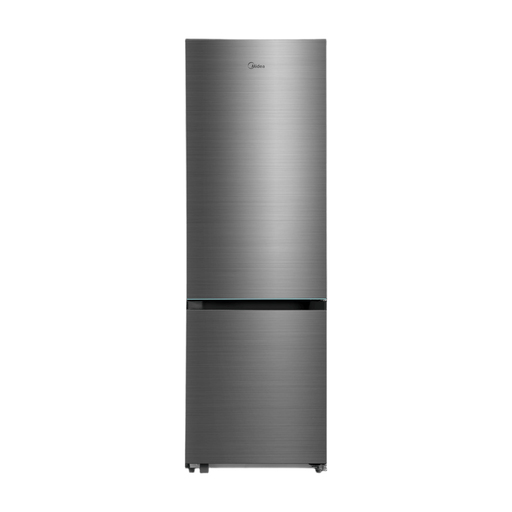
Why This Fits Their Persona: This fridge-freezer combi offers ample capacity (232L fridge, 98L freezer) and convenience. Perfect for families who want to keep both fresh produce and frozen meals neatly organised.
This model tackles the 'No Frost' myth with a full-fledged Total No Frost system. This prevents ice build-up in both the fridge and freezer sections, meaning you'll never have to manually defrost again.
With a noise level of just 35 dB, this is an exceptionally quiet fridge-freezer, ideal for an open-plan kitchen. The electronic controls ensure a precise and stable temperature.
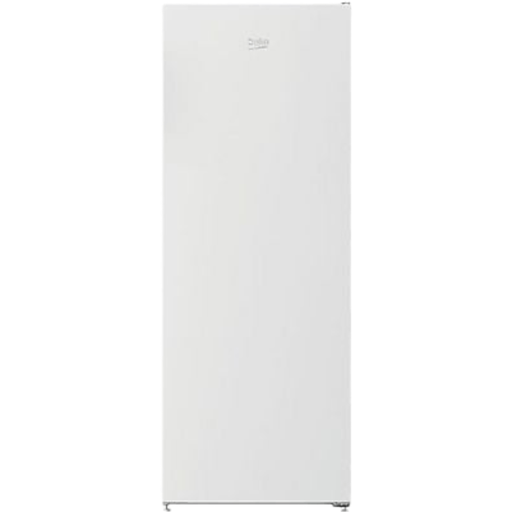
Why This Fits Their Persona: For those who buy in bulk, have a vegetable garden, or need a reliable freezer for the utility room or garage. The 196-litre capacity offers plenty of space for bulk purchases and seasonal produce.
This model solves the climate class mistake. According to Beko, its FreezerGuard technology ensures the freezer continues to operate in ambient temperatures as low as -15°C, making it suitable for unheated spaces.
The combination of a large capacity (196L) and suitability for cold spaces makes this a highly practical choice for extra freezer space outside the kitchen. The five drawers help to keep your stock organised.
We have compiled a complete, up-to-date list of products that fully meet these strict selection criteria and UK safety regulations.
No, absolutely not. Most freezers are designed for a minimum ambient temperature of 10°C or 16°C (climate class N/ST). If the temperature in your shed or garage drops lower in the winter, the freezer may stop working. Always check if a model has a special feature for cold environments, like Beko's FreezerGuard, or a suitable climate class (SN).
The cost depends on the energy label and the consumption in kWh. A modern, energy-efficient freezer (label C or D) with a capacity of around 200 litres consumes about 150-200 kWh per year. At current electricity prices, that amounts to about €45 to €60 per year. An older, inefficient model can easily cost double. Investing in a better energy rating pays off in the long run.
