What should you look for when choosing?
First, ask what dietary restriction your guests have. Then choose the exact crisp variety and decide how to serve it separately from the other party snacks.
| What to consider |
What to check when buying |
Who it matters most to |
| Gluten-free option |
If a guest has coeliac disease, look for ‘gluten-free’ on the current packaging or the Crossed Grain symbol, as advised by the Netherlands Nutrition Centre. Check for other allergens separately if they’re also relevant. |
If my guest needs to avoid gluten, I don’t want to rely on crisps being made from potatoes. Around 33% of consumers prioritise a verifiably gluten-free option. |
| Specific allergen |
Read the ingredients and any warnings about possible cross-contamination for the exact flavour. The Netherlands Food and Consumer Product Safety Authority explains the mandatory declaration of the 14 designated allergens. |
When someone in the group has an allergy, I need to know whether that specific allergen is in or may have come into contact with the crisps I’ve chosen. Avoiding a specific allergen is a priority for around 33% of consumers. |
| Vegan combination |
Check the vegan claim or ingredients for both the crisps and the dips and toppings. |
I want to be able to offer a guest a plant-based combination for their drinks, not just a potentially suitable crisp with an unsuitable dip. Around 20% of consumers prioritise a vegan combination. |
| Serving separately |
Use a clearly identifiable plate with its own serving utensils, and keep the packaging so you can answer guests’ questions. |
At a crowded drinks table, I don’t want guests to have to guess which snack is suitable for them. A clearly labelled option served separately matters most to around 14% of consumers. |
Crisps and snacks on Joybuy
These broccoli, okra, plantain, taro and cassava crisps come in a range of flavours and pack sizes for a drinks gathering. If you need a gluten-free or allergen-free option, check the claims, ingredients and warnings on the current packaging first; the type of product alone can’t tell you whether it’s suitable.
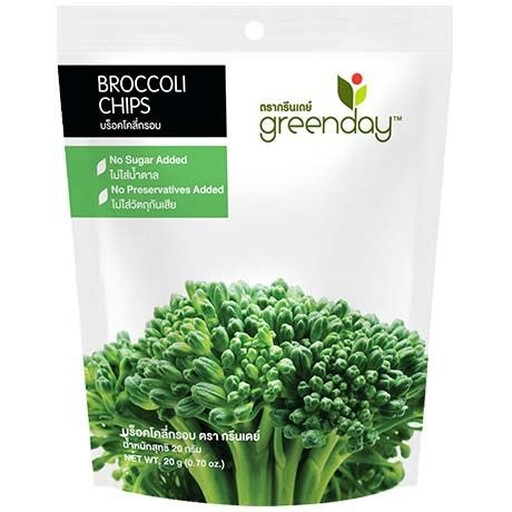 Image unavailable
Broccoli Chips 20 g
An option if you’re looking for broccoli crisps to serve on a separate plate.
Pack size: 20 g. For a gluten-free, vegan or allergen-free option, check the current packaging and any warnings about possible cross-contamination.
View on Joybuy
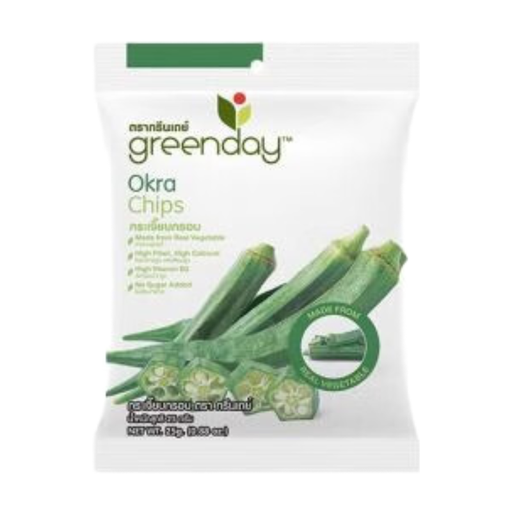 Image unavailable
Okra Chips 25 g
An option if you’d like to serve okra crisps alongside other savoury snacks.
Pack size: 25 g. Check the current label to see whether its claims and warnings suit your guest’s dietary restriction; check separately if they want a vegan option.
View on Joybuy
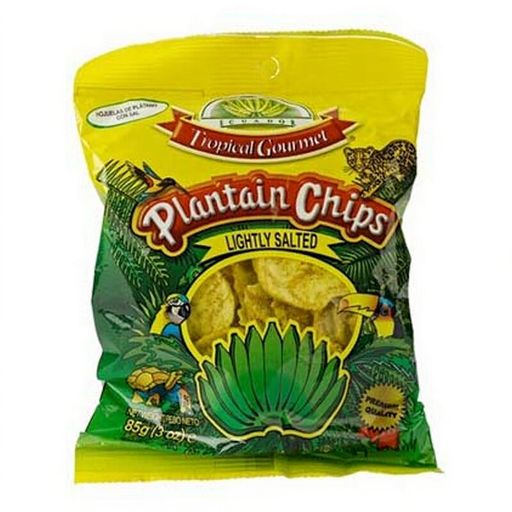 Image unavailable
TG Salted Plantain Chips 85 g
A salted plantain crisp if you’re looking for something other than potato crisps for your drinks gathering.
Pack size: 85 g. Don’t assume it’s gluten-free or allergen-free because it’s made from plantain; read the current ingredients and warnings.
View on Joybuy
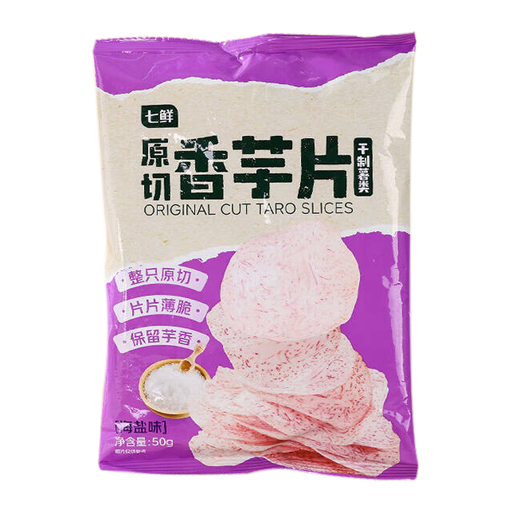 Image unavailable
7FRESH Original Cut Taro Chips Sea Salt Flavor 50 g
Taro crisps with a sea salt flavour if you’d like to serve a variety of crisps with your party snacks.
Pack size: 50 g. Before choosing these for a guest with a dietary restriction, check the exact variety for gluten-free claims, relevant allergens and possible cross-contamination.
View on Joybuy
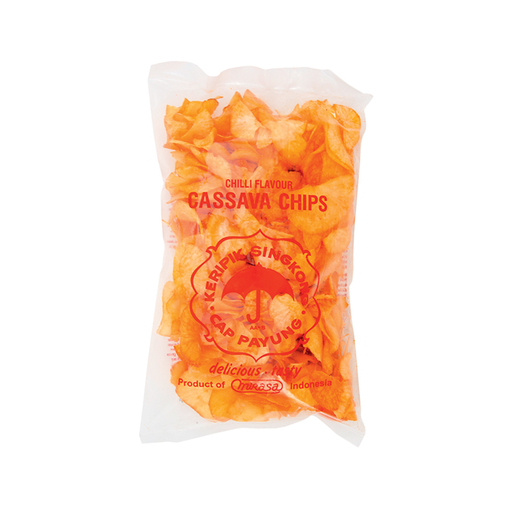 Image unavailable
Mirasa Cassava Chips Chilli 250 g
A chilli-flavoured cassava crisp if you’re looking for a seasoned option for your drinks gathering.
Pack size: 250 g. If a guest has a food allergy or needs to avoid gluten, check the full ingredients, claims and any warnings on the current packaging.
View on Joybuy
Frequently asked questions
Are ordinary potato crisps automatically gluten-free?
No. Potatoes being the main ingredient doesn’t prove that the crisps are gluten-free. For a guest with coeliac disease, the Netherlands Nutrition Centre advises looking for ‘gluten-free’ or the Crossed Grain symbol on the packaging. Check the exact variety too: for example, Pringles Netherlands lists wheat flour in Pringles Original.
Is the ingredients list enough if someone has a food allergy?
As well as the ingredients list, check for any warnings about possible cross-contamination with the allergen your guest needs to avoid. The Netherlands Food and Consumer Product Safety Authority explains the mandatory declaration of the 14 designated allergens. A warning about possible presence refers to a different kind of contact from an allergen listed as an ingredient.
How should I serve gluten-free crisps alongside other party snacks?
Put the crisps you’ve checked on a separate plate and use dedicated serving utensils. This helps prevent crumbs from bread or breaded bites getting onto the crisps via the plate or tongs. Keep the packaging so guests can check the claims for themselves.
Can I rely on the ingredients information on a supermarket website?
Use online information to compare varieties, but check the current packaging before serving. Albert Heijn notes on its product pages that ingredients, nutritional values and dietary or allergy information may change.


