
Vandaag of morgen in huis

Kwaliteit gegarandeerd

Welkomstaanbiedingen ontgrendelen: GRATIS bezorging | Tot 80% korting | Gratis 30 dagen JoyPlus-proefperiode
Download de app
Foundation can look different on your skin than it does in the packaging. A shade that looks neutral online may appear too yellow or too pink in daylight. A matte foundation may feel comfortable at first, then leave your skin feeling dry a few hours later. So if you rely only on terms such as “long-lasting”, “natural” or “full coverage”, you could easily end up with a product that isn’t right for you.
Use this practical guide to compare the features that really matter when choosing foundation: undertone, skin type, coverage, finish and ingredients. Then browse a selection of products for different needs.
Names such as Vanilla, Beige or Sand don’t always tell you enough. Check whether the shade has a warm, neutral or cool undertone too. For example, according to its product description, W7 HD Foundation Sand Beige is intended for medium skin tones with warm undertones. TIRTIR uses codes such as 17N, 13N and 15C, where the letter refers to the undertone.
If possible, test a shade along your jawline and check how it looks in natural light. The skin on your hand is often a different colour from your face.
A full-coverage foundation can conceal redness and blemishes more effectively, but you’ll usually need to apply it sparingly and blend carefully. For everyday wear, light to medium coverage may be more practical. A buildable formula gives you more control than a product that creates a very full-coverage layer straight away.
It’s also worth knowing the difference between concealer foundation, liquid foundation and cushion foundation. A cushion is handy for quick application and touch-ups on the go. Liquid foundation often gives you more freedom over how much you use and how you apply it.
According to the product information, foundation with SPF can help protect against UV rays, but the level of protection depends on how much you apply. For prolonged exposure to the sun, a separate sun protection product remains important. Check the exact SPF on the packaging too, as it varies between formulas.
Light coverage subtly evens out your complexion. Medium coverage is suitable if you want to partially conceal redness and uneven skin tone. Full or high coverage is designed to create a more noticeably even finish. Your primer, applicator and the amount you use can also affect the final coverage.
It’s best to start with a thin layer and add more product only where needed. This helps avoid a heavy finish and makes a buildable foundation more versatile.
Don’t just read the marketing copy. If you’re looking out for specific ingredients, check the ingredients list for things such as fragrance, alcohol, silicones, glycerine or hyaluronic acid. Products containing glycerine or sodium hyaluronate are often described as hydrating, but the effect varies depending on your skin and the conditions you use them in.
Look for the 12M symbol if it appears on the packaging: it usually refers to the recommended period of use after opening. Store foundation in a dry place, with the lid firmly closed and away from direct sunlight. If the smell, colour or texture changes, stop using it.
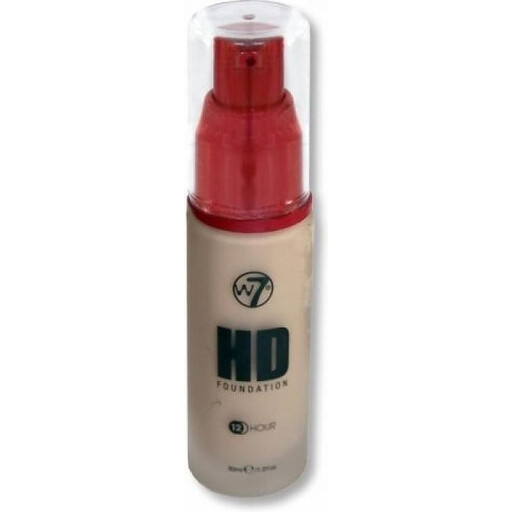
Why it suits this profile: The liquid formula is easy to apply with your fingers, a brush or a sponge. According to the product description, the Sand Beige shade is designed for medium skin tones with warm undertones.
According to the product information, you can build the coverage from medium to fuller, so there’s no need to apply a thick layer straight away.
30 ml liquid formula; according to the product description, it has a matte finish and lasts for 12 months after opening.
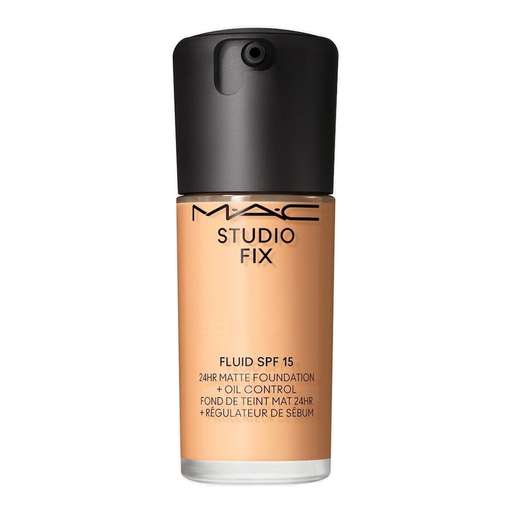
Why it suits this profile: This foundation comes in a pump bottle and has a liquid formula with a natural matte finish. The NC20 shade is a specific option if you use MAC shade codes.
The product information mentions buildable coverage and a pump for controlled dispensing, making it easier to avoid applying too much.
SPF15 according to the product details; described by the brand as water- and transfer-resistant, and suitable for oily skin.
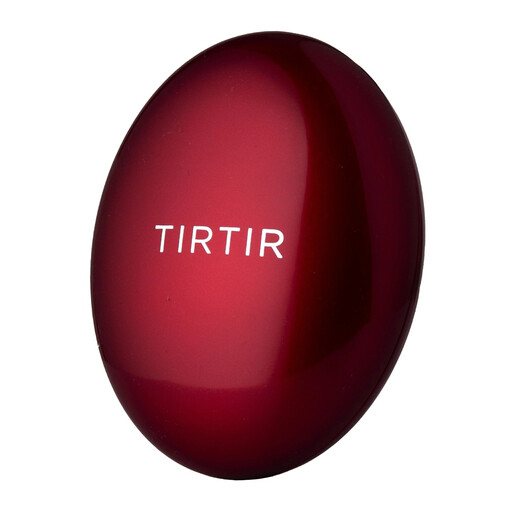
Why it suits this profile: The cushion packaging is handy for quick touch-ups and travelling. According to the product details, shade 17N Vanilla has a neutral undertone and SPF40.
The applicator helps you dab on the foundation. Start with a small amount to avoid applying too thick a layer.
18 g cushion compact; SPF40 and high coverage according to the product description. The product information also mentions a radiant finish.
We’ve put together a complete, up-to-date list of products that meet these strict selection criteria and the applicable European safety regulations.
If you have sensitive skin, it’s a good idea to test a new product on a small area first. Stop using it if irritation occurs, and always follow the safety information on the packaging.
It depends on the formula and packaging. If the product is marked 12M, this usually means it should be used within twelve months of opening. Also check the smell, colour and texture, and follow the information on the packaging.
A matte foundation or oil-free formula may help make shine less noticeable. The product information links Maybelline Fit Me Matte & Poreless and MAC Studio Fix Fluid with a matte finish and oily skin. The final result also depends on your skincare, primer and setting powder.
No, don’t rely on the SPF in make-up alone. The level of protection depends on how much you apply and whether you reapply it. For prolonged exposure, use a separate sun protection product and treat foundation with SPF as an additional product feature.
