
Vandaag of morgen in huis

Kwaliteit gegarandeerd

Welkomstaanbiedingen ontgrendelen: GRATIS bezorging | Tot 80% korting | Gratis 30 dagen JoyPlus-proefperiode
Download de app
Buying foreign beer may seem straightforward, but the range varies considerably in terms of origin, packaging, alcohol content and flavour profile. A 330 ml Japanese beer, for example, is a different purchase from a crate of beer for a barbecue. Product information on labels and webshops is not always presented in the same way either.
With this practical guide, you can check the key details first. You can then choose confidently from Asian beer, Polish beer, Belgian pilsner and other types of imported beer.
A beer from Japan, Thailand or Vietnam does not automatically have a distinctive regional flavour profile. Many international varieties are lagers or pilsners. So pay attention to the description: does it mention light, fresh, dry, malty or bitter, for example? This usually tells you more about the expected drinking experience than the country of origin alone.
A multipack may seem good value, but always check the number of units and the volume of each bottle or can. A box containing 24 bottles of 330 ml holds 7.92 litres. A pack of 6 cans of 500 ml contains 3 litres. So compare the price per litre, not just the price of the box.
International beers range from 4.2% to well above 5%. Check the alcohol content before ordering a crate or large multipack. Also check the ingredients and allergens. Many lagers contain barley malt and gluten. Some products also list rice, maize, glucose syrup or sulphites.
First check whether it is a lager, pilsner or another beer style. A premium lager, for example, may be described as placing extra emphasis on malt, smoothness or a light finish, but the exact flavour still depends on the recipe and storage conditions.
Some practical guidelines:
These descriptions are based on the available product information. Brands may present their flavour and product characteristics in their own way, so treat marketing terms as an indication and always check the product specifications.
For personal use, bottles or cans of 320 to 333 ml are practical. For a party, barbecue or hospitality setting, a large multipack may make more sense. Check:
A small pack is useful when you want to try a new variety. A box of 24 is more suitable when you already know that the beer complements your meals or occasion.
Check the alcohol content for each product, especially when buying several international beers together. The recommended serving temperature varies by product description. Jupiler states 3 °C, Lech Pils 3 to 5 °C and Saigon beers 4 to 6 °C.
Store beer in a cool, dry place away from direct sunlight. Temperature fluctuations can affect its quality. When your order arrives, also check that the packaging and seal are undamaged. Alcoholic drinks are intended for people aged 18 and over only. Drink responsibly and do not drive or take part in traffic after consuming alcohol.
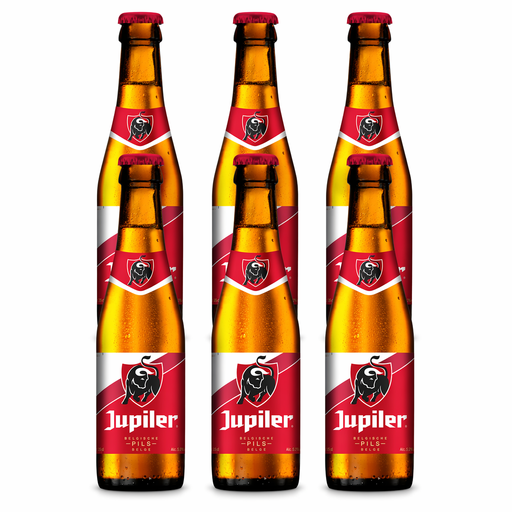
Why it suits this profile: The pack of six bottles is a manageable choice when you want to try Belgian pilsner without ordering a large crate straight away. The 250 ml volume is suitable for a single serving.
The number of units and volume are clearly stated. This makes it easier to check the total quantity and price per bottle.
6 x 250 ml; 5.2% alcohol according to the product description; ingredients and allergens are listed.
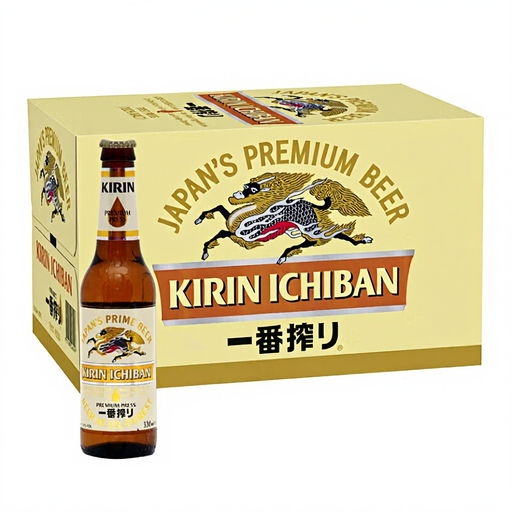
Why it suits this profile: The box of 24 cans is suitable for anyone who regularly drinks Japanese beer or wants to keep a supply for meals and visitors.
The product page states the format, alcohol content, ingredients and allergens, so you do not have to rely on the term ‘premium’ alone.
24 x 330 ml; 5.0% alcohol; suitable for pairing with a variety of dishes according to the product description.
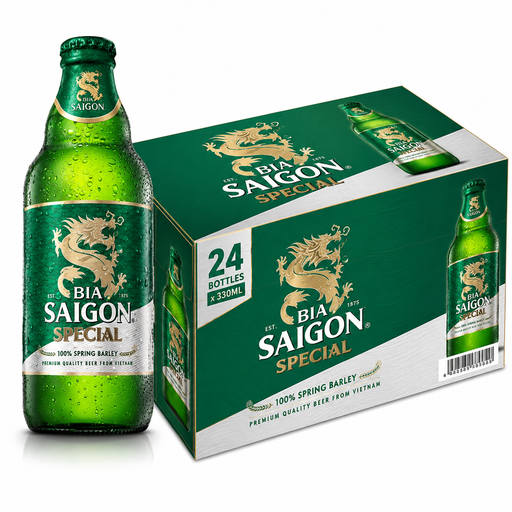
Why it suits this profile: A box of 24 bottles is practical for hospitality settings, a large barbecue or a gathering where Asian beer is being served with the menu.
The large number of bottles and the volume per bottle are clearly stated. This allows you to estimate the total supply and storage space in advance.
24 x 330 ml; 4.9% alcohol; ingredients include barley malt and sulphites; serving advice 4–6 °C.
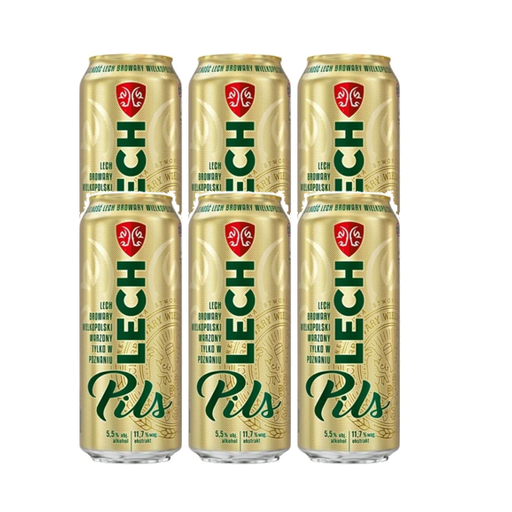
Why it suits this profile: The larger bottle size is well suited to dinner parties, a Polish meal or an evening when you want to compare one beer style in particular.
The product description gives the origin, flavour profile, alcohol content and serving temperature. This makes it easier to compare with other pilsners.
6 x 500 ml; 4.8% alcohol; described as medium-bodied with mild bitterness; best served chilled between 3 and 5 °C.
We have put together a complete, up-to-date list of products that fully meet these strict selection criteria and the applicable European safety regulations.
Check the number of units, the volume per bottle or can, the alcohol content and the total volume in litres. Also consider your storage space and any deposit information. A multipack of 24 x 330 ml is not the same as a crate containing larger bottles.
The relevant best-before information is shown on the packaging. Store the beer in a cool, dry place away from direct sunlight. Avoid major temperature fluctuations and check on delivery that the packaging is undamaged.
According to the available product descriptions, Saigon Special, Saigon Export Premium, Singha, LEO, Kirin and Sapporo are among the beers paired with Asian dishes. Choose based on the alcohol content, packaging and the described flavour profile. With spicy or aromatic meals, a lager described as fresh may be a pleasant match, but personal preference remains the deciding factor.
